
Blog
Insights on production scheduling, lean manufacturing, and manufacturing software from 35+ years of industry experience.
Everything we have published.

Bottleneck Migration: What Happens to Your Schedule After You Solve the First Constraint
Solve your bottleneck and it moves. Learn how constraint migration works, how to predict where it shifts, and how to re-optimize your schedule after capacity changes.
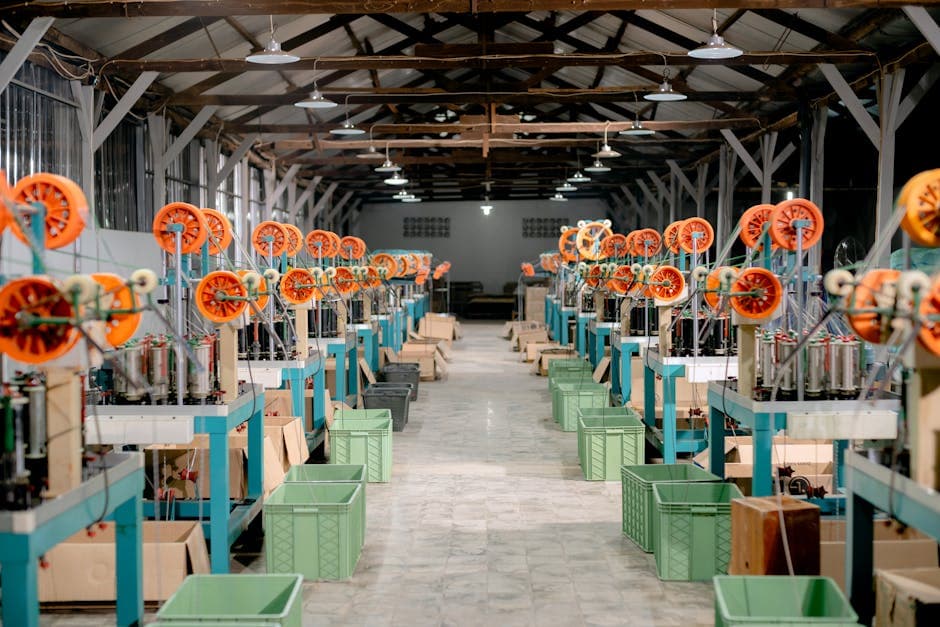
Cellular Manufacturing Scheduling: How Dedicated Cells Change Your Scheduling Approach
When you create manufacturing cells, the scheduling problem changes fundamentally. Learn how cell scheduling differs from functional layout and when to make a cell dedicated vs. shared.
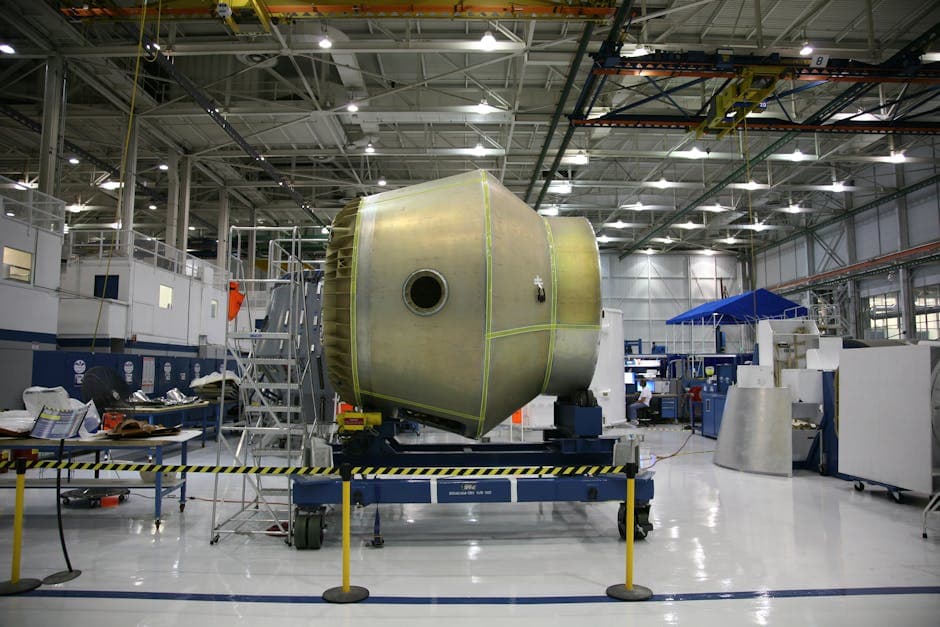
Composite Manufacturing Scheduling: Cure Time Constraints, Autoclave Capacity, and Layup Sequencing
Composite manufacturing scheduling software that handles autoclave cure cycles, prepreg shelf life, layup sequencing, and NDT inspection holds for aerospace and automotive suppliers.

Concurrent Engineering: How Overlapping Design and Manufacturing Phases Cuts Time-to-Market
Concurrent engineering overlaps design and production phases to reduce time-to-market. Learn how scheduling software supports cross-functional simultaneous development.

Cost of Goods Manufactured (COGM): Formula, Calculation, and How Scheduling Reduces It
Master the Cost of Goods Manufactured formula with step-by-step examples. Learn how production scheduling efficiency directly lowers COGM and improves gross margin.

Decoupling Inventory: Buffer Positioning and Independent Stage Scheduling
Learn what decoupling inventory is, where to position buffer stocks in a production system, and how decoupling points enable independent scheduling of manufacturing stages.

Edge vs. Cloud for Real-Time Manufacturing Scheduling: Which Deployment Is Right for Your Shop?
Compare edge computing vs. cloud deployment for manufacturing scheduling software: latency, ITAR compliance, hybrid architectures, cost, and a practical SMB decision framework.
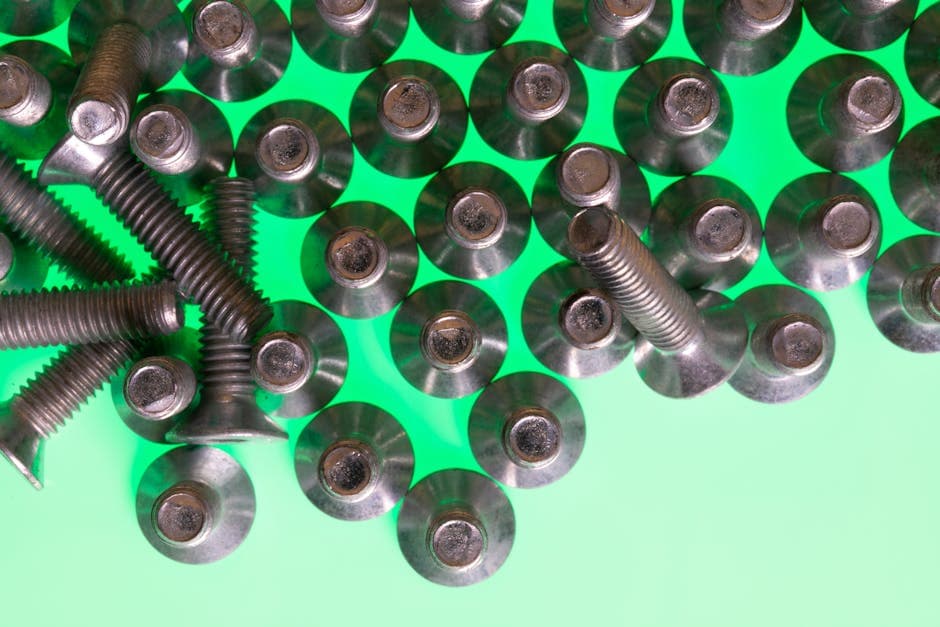
Fastener and Hardware Manufacturing Scheduling: High-Throughput, Die-Constrained Production
Fastener manufacturing scheduling software that manages heading die life, heat treat batch loads, plating line capacity, and kanban replenishment for screws, bolts, and rivets.
FEFO (First Expired, First Out): Inventory Rotation for Shelf-Life Materials
Learn how FEFO inventory rotation works in food, pharma, and chemical manufacturing, how it differs from FIFO, and how to implement it in your facility.

Finished Goods Inventory: How to Optimize Levels and Reduce Carrying Costs
Learn what finished goods inventory is, how to calculate optimal stock levels, and how production scheduling software reduces waste and stockouts.

What Is Cash Conversion Cycle in Manufacturing? Formula, Benchmarks, and How to Improve It
Cash conversion cycle (CCC) = DIO + DSO − DPO. For manufacturers, cutting lead time by one week removes 7 days from DIO. Learn the formula, benchmarks, and the scheduling connection.

What Is Constraint Programming? Definition and How It Powers Advanced Scheduling
Constraint programming (CP) is an optimization technique that finds solutions satisfying all constraints simultaneously - learn why APS software uses it for job shop scheduling.