
AI in Production Scheduling: What's Real and What's Hype in 2026
 User Solutions Team
AI in production scheduling is the hottest topic in manufacturing technology in 2026 - and also the most overhyped. Every scheduling software vendor now claims to be "AI-powered," from genuine machine learning applications to basic rule-based logic that has been relabeled with trendy terminology. For production managers trying to improve their scheduling, separating real AI capability from marketing noise has become a critical skill.
This guide cuts through the hype. We explain what AI actually does in production scheduling today, where it genuinely helps, where it falls short, and how to evaluate AI claims from vendors. If you are considering scheduling software, this honest assessment will save you from buying promises that current technology cannot keep.
What "AI" Actually Means in Scheduling
Before evaluating AI in scheduling, it helps to understand what the term encompasses. Vendors use "AI" to describe at least four distinct technologies with very different maturity levels.
Rule-Based Systems (Not Actually AI)
The most common "AI" in scheduling is not AI at all. Rule-based systems apply predefined logic: if order priority is high, schedule it first; if two jobs share a setup, group them together; if a machine is overloaded, shift work to an alternate resource.
These are priority rules and dispatching logic - valuable, proven, and effective. But calling them AI is like calling a thermostat "smart" because it turns the heat on when the temperature drops. The rules were written by humans and do not learn or adapt.
Reality check: If a vendor's "AI scheduling" can be fully described with if-then rules, it is rule-based automation, not AI.
Mathematical Optimization (Proven, But Not New)
Optimization algorithms - genetic algorithms, constraint programming, simulated annealing, linear programming - have been used in production scheduling for decades. These algorithms search through millions of possible schedules to find sequences that minimize makespan, tardiness, or setup time while respecting all constraints.
Optimization is genuinely powerful and delivers measurable scheduling improvements. RMDB uses advanced optimization algorithms to find better job sequences than any human scheduler could identify manually. But optimization predates the AI hype by 40 years - it is operations research, not artificial intelligence.
Reality check: Optimization is valuable and real. Just know that "AI-optimized scheduling" often means the same optimization that has existed since the 1980s with a new label.
Machine Learning (Real AI, Limited Application)
Machine learning is the genuine AI in scheduling. ML models learn from historical data to make predictions or identify patterns that were not explicitly programmed. In scheduling, ML is being applied to:
- Demand forecasting: Learning seasonal patterns, trend shifts, and demand correlations from historical order data
- Cycle time prediction: Learning that a specific part on a specific machine with a specific operator takes 12% longer than the standard time
- Maintenance prediction: Learning vibration, temperature, and performance patterns that precede machine failures
- Quality prediction: Identifying parameter combinations that are likely to produce defects
These applications are real, measurable, and valuable when the data exists to train the models. The limitation is that ML needs large volumes of clean historical data - something many manufacturers lack.
Reality check: ML delivers genuine value in scheduling-adjacent predictions. It is less effective at the core scheduling decision of "what to run where and when."
Generative AI and Large Language Models (Mostly Hype for Scheduling)
The newest wave of AI hype involves applying large language models (LLMs) to manufacturing. Some vendors claim that chatbot-style interfaces can "create schedules through natural language" or "optimize production with conversational AI."
In practice, LLMs can help with reporting ("show me overdue orders"), documentation ("summarize today's schedule changes"), and basic queries. They cannot make sound scheduling decisions because they lack the mathematical rigor needed for constraint satisfaction and optimization.
Reality check: Conversational AI is useful as a user interface layer. It is not a scheduling engine.
Where AI Genuinely Helps Scheduling in 2026
Setting aside the hype, AI delivers measurable scheduling value in several specific areas.
Predictive Maintenance Integration
Machine learning models that predict equipment failures 24-48 hours in advance are reaching production readiness. When the scheduler knows that CNC Machine 7 has a 78% probability of failure within 36 hours, it can proactively reroute critical jobs to other machines and schedule preventive maintenance during a natural gap in the schedule.
This is a genuine AI win because it converts unplanned downtime (the biggest enemy of schedule adherence) into planned downtime that the scheduler can work around. For more on tracking downtime, see our machine downtime tracking guide.
Adaptive Cycle Times
Standard routing times are wrong - not slightly wrong, but often 15-30% wrong. They were set years ago, never updated, and do not account for operator skill levels, material batch variations, or tool wear. ML models that learn actual cycle times from shop floor data and continuously update the scheduling model eliminate this accuracy gap.
When the scheduler uses actual times instead of theoretical standards, the schedule matches reality. Schedule adherence improves not because the shop floor works differently, but because the schedule is finally realistic.
Demand Pattern Recognition
For manufacturers with repetitive product mixes, ML-based demand forecasting identifies patterns that human planners miss: seasonal trends in specific product families, correlations between customer orders that indicate upcoming demand shifts, and early warning signals from order pattern changes.
Better demand forecasts feed better master production schedules, which feed better production schedules. The value is indirect but real.
Anomaly Detection
AI excels at monitoring hundreds of data streams and flagging anomalies. In scheduling, this means detecting:
- A job running significantly longer than planned (potential quality or equipment issue)
- Material consumption rates that suggest an upcoming stockout
- Schedule adherence patterns that predict a delivery miss three days out
- Capacity utilization trends that indicate a developing bottleneck
These early warnings give schedulers time to intervene before problems become crises.
Where AI Falls Short in Manufacturing Scheduling
Honesty about AI limitations is essential for making good technology decisions.
The Novel Situation Problem
AI learns from historical patterns. Manufacturing constantly generates novel situations: a new customer with unprecedented requirements, a supply chain disruption that changes material availability overnight, a quality issue on a product you have never had problems with before. In these situations, AI has no relevant data to draw from and defaults to generic responses that an experienced scheduler would immediately recognize as wrong.
Human schedulers handle novelty through experience, judgment, and communication - skills that AI cannot replicate. This is why the most effective approach is AI-augmented scheduling where AI handles the routine and humans handle the exceptions.
The Data Quality Problem
AI needs data. Lots of clean, historical data. Many manufacturers do not have this. Their routing times have not been updated in years. Their shop floor reporting is inconsistent. Their ERP data has gaps and errors.
Feeding bad data into an AI model produces confidently wrong predictions. The AI does not know the data is bad - it just learns the wrong patterns. A manufacturer whose routings show 2-hour cycle times when the actual average is 3.5 hours will get AI predictions optimized for a fictional factory.
Before investing in AI scheduling, invest in data quality. Accurate routings, consistent shop floor reporting, and clean master data are prerequisites, not optional extras. Our guide on common scheduling problems explains why data quality is the foundation of any scheduling improvement.
The Explainability Problem
When an AI model rearranges your production schedule, can you explain why? If a customer calls and asks why their order was pushed back two days, can you provide a clear reason? With rule-based and optimization-based scheduling, the logic is transparent and auditable. With ML-based decisions, the reasoning is often opaque - the model found a pattern in the data, but no one can articulate what that pattern is.
For regulated industries like aerospace and pharmaceutical manufacturing, explainability is not just nice-to-have - it is a compliance requirement. Every scheduling decision must be traceable and justifiable.
The Integration Challenge
AI scheduling does not exist in isolation. It must integrate with your ERP, shop floor systems, quality management, and maintenance systems. Many AI solutions work beautifully in demos with clean sample data but struggle to integrate with the messy reality of actual manufacturing IT environments. See our ERP scheduling integration guide for what real integration looks like.
How to Evaluate AI Claims from Vendors
When a scheduling vendor tells you their product is "AI-powered," ask these questions:
Question 1: What Specific Decisions Does the AI Make?
Ask the vendor to name three specific scheduling decisions the AI makes that a rule-based system could not. If they cannot provide concrete examples, the "AI" is likely relabeled rule-based logic.
Question 2: What Data Does It Need, and Do We Have It?
AI without data is just software with aspirations. Ask what historical data the AI requires, how much of it you need (6 months? 24 months?), and what happens if your data is incomplete or inconsistent.
Question 3: Can You Show Results at a Similar Manufacturer?
Request a reference customer in your industry, with a similar product mix and scale. Ask that reference what measurable improvement the AI delivered and how long it took. If the vendor cannot provide a relevant reference, the AI capability may be in development, not in production.
Question 4: What Happens When the AI Is Wrong?
Every AI model makes mistakes. Ask how the system handles wrong predictions, how the scheduler overrides AI decisions, and how the model is retrained when conditions change. If the vendor describes a seamless, error-free experience, they are selling a fantasy.
Question 5: Does the AI Require a Data Science Team?
Some AI scheduling tools require ongoing data science support - training models, tuning hyperparameters, monitoring model drift. If your shop does not have data scientists (and most do not), a tool that requires them is not practical.
The Practical Path: Proven Scheduling First, AI Second
Here is the manufacturing scheduling technology roadmap that actually works:
Step 1: Implement finite capacity scheduling with proven optimization algorithms. This alone solves 80-90% of scheduling problems and delivers the biggest ROI of any scheduling investment.
Step 2: Build data quality and consistency. Clean routings, reliable shop floor reporting, and accurate master data.
Step 3: Layer in AI capabilities where they deliver proven value - predictive maintenance, adaptive cycle times, demand forecasting.
Step 4: Evaluate emerging AI capabilities as they mature, with clear success criteria and measurable expectations.
This approach delivers value at every step instead of betting everything on AI technology that may not be ready for your manufacturing reality.
FAQ
No. AI assists production schedulers by processing data faster and identifying patterns, but it cannot replace the human judgment needed for exception handling, customer negotiations, and navigating the messy reality of manufacturing. The best results come from AI-augmented tools that empower experienced schedulers, not replace them.
In 2026, AI delivers real value in demand forecasting, predictive maintenance scheduling, setup time optimization based on historical patterns, and anomaly detection that flags schedule risks. It is less effective at handling novel situations, managing complex customer priorities, and making judgment calls that require manufacturing experience.
Ask three questions: What specific scheduling decisions does the AI make? What data does the AI need, and do we have it? Can you show me a manufacturer like us who achieved measurable results? Vague claims like "AI-powered optimization" without specifics are marketing, not capability. Demand evidence.
No. Most manufacturers get dramatically better results simply by moving from spreadsheets or basic ERP scheduling to finite capacity scheduling - no AI required. Finite capacity scheduling with proven algorithms solves 80-90% of scheduling problems. AI adds incremental value on top of a solid scheduling foundation.
AI scheduling requires clean, historical data - typically 12-24 months of production records including actual run times, setup times, machine downtime events, quality data, and demand history. Without this data foundation, AI models have nothing to learn from and produce unreliable predictions.
Get Scheduling Results That Are Real, Not Hype
User Solutions has delivered measurable scheduling improvements for 35 years - long before AI was a buzzword. Contact us to see how RMDB finite capacity scheduling can transform your production scheduling with proven technology that works today.
Expert Q&A: Deep Dive
Q: Why is User Solutions cautious about AI claims when other vendors are marketing AI heavily?
A: Because we have been in manufacturing scheduling for 35 years and we have seen every technology hype cycle - MRP was going to solve everything in the 1970s, ERP was going to solve everything in the 1990s, cloud was going to solve everything in the 2010s, and now AI is going to solve everything in the 2020s. Each of these technologies delivered real value, but none delivered on the hype. We incorporate proven AI capabilities into RMDB where they demonstrably help - demand pattern recognition, predictive schedule adjustments, and optimization algorithms that improve with data. But we refuse to slap an AI label on basic features just to ride the marketing wave. Our customers are too smart for that.
Q: Where do you see AI making the biggest real impact in scheduling over the next 3-5 years?
A: Predictive maintenance integration is the area with the most near-term potential. When machine learning models can accurately predict equipment failures 24-48 hours in advance, the scheduler can proactively reroute work to avoid unplanned downtime. We are also seeing promising results in adaptive cycle times - AI models that learn the actual production time for specific part-machine-operator combinations and update the scheduling model automatically. Both of these reduce the gap between planned and actual performance, which is the root cause of most scheduling failures.
Frequently Asked Questions
Ready to Transform Your Production Scheduling?
User Solutions has been helping manufacturers optimize their production schedules for over 35 years. One-time license, 5-day implementation.

User Solutions Team
Manufacturing Software Experts
User Solutions has been developing production planning and scheduling software for manufacturers since 1991. Our team combines 35+ years of manufacturing software expertise with deep industry knowledge to help factories optimize their operations.
Share this article
Related Articles
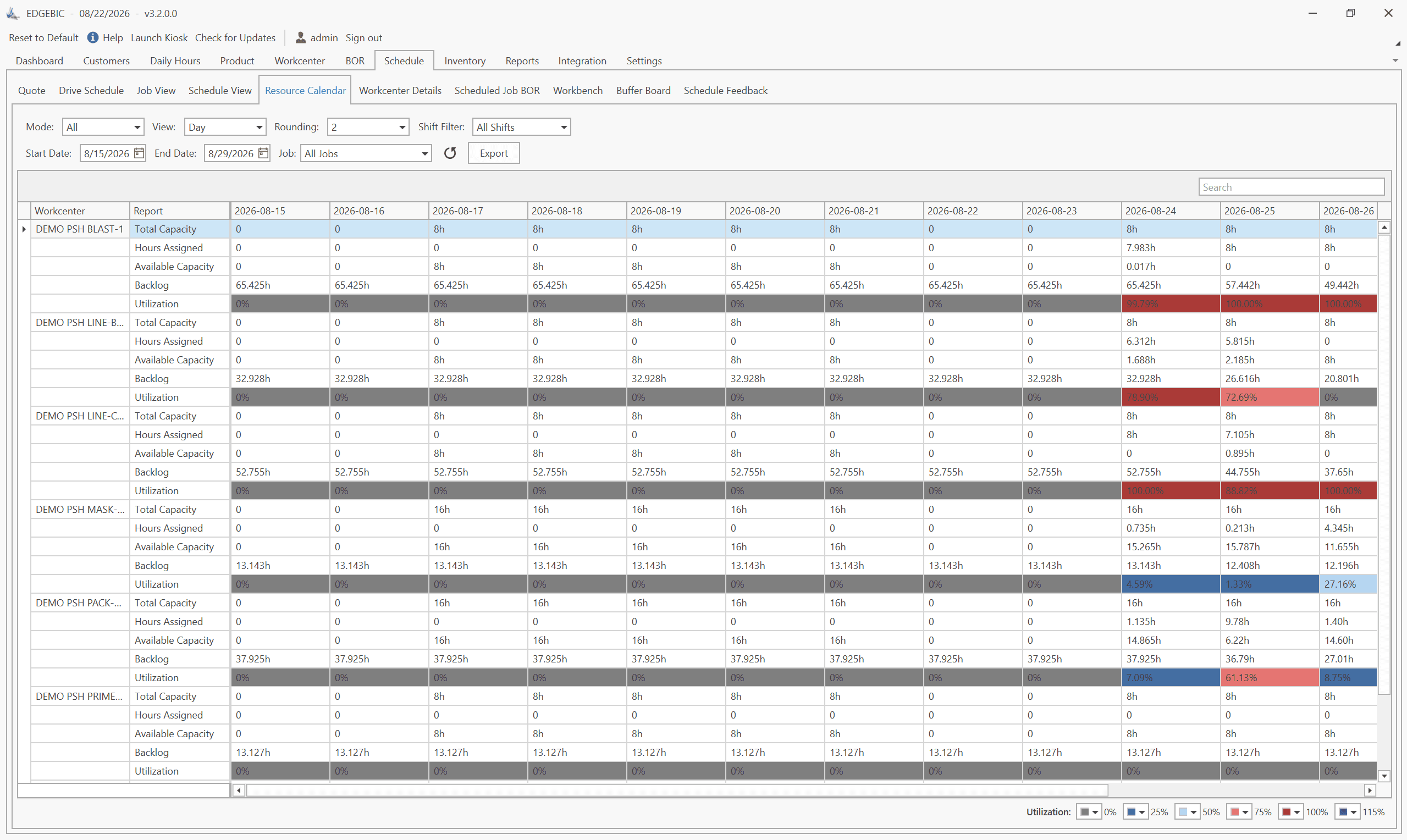
How to Create a Production Schedule in 7 Steps (Free Template)
How to create a production schedule step by step: horizon, real capacity, work orders, load check, sequence, dates, then publish. Worked example included.
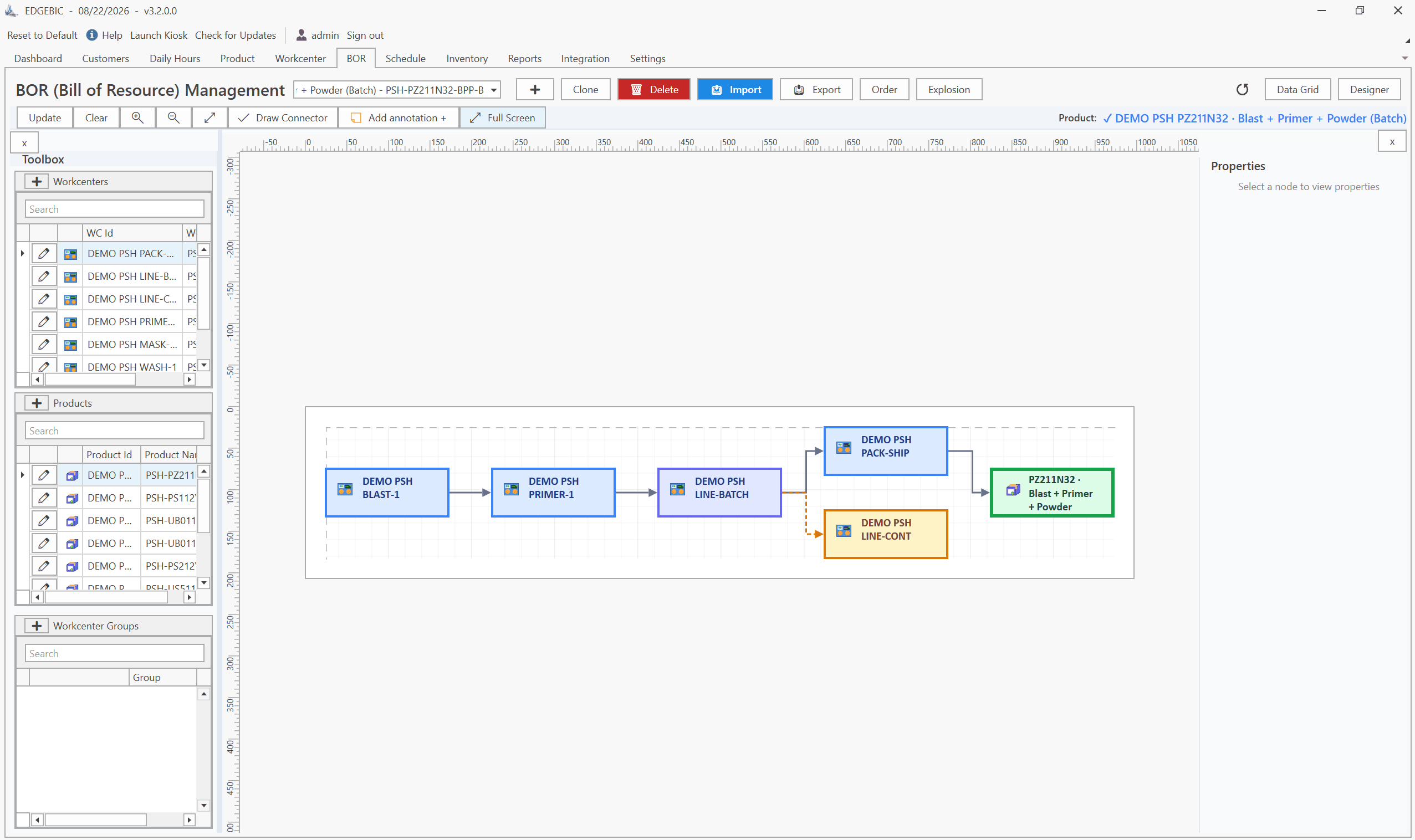
Production Planning and Control (PPC): Functions and Examples
Production planning and control explained: routing, loading, scheduling, sequencing, dispatching and expediting, the types of scheduling, and worked examples.
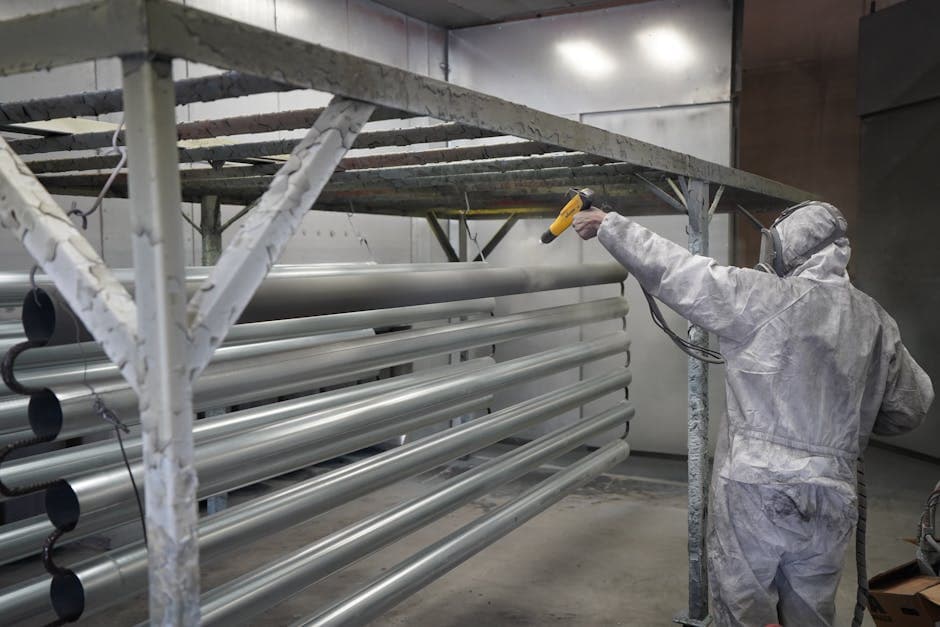
Sequence-Dependent Setup Times: The Scheduling Problem That Costs You Capacity
When changeover time depends on what ran before, standard scheduling fails. Learn how setup matrices, sequence optimization, and APS software recover 10-25% of hidden capacity in paint lines, food, and coating operations.