
Pharmaceutical Production Scheduling: GMP & Compliance
 User Solutions Team
Pharmaceutical production scheduling operates at the intersection of manufacturing efficiency and regulatory compliance. Every scheduling decision - which product runs next, which equipment to use, when to clean, which operator to assign - has GMP (Good Manufacturing Practice) implications. A scheduling error in pharmaceutical manufacturing is not just an operational inconvenience; it can trigger batch failures, FDA warning letters, product recalls, or patient safety events.
This guide covers the scheduling challenges unique to pharmaceutical manufacturing, the GMP requirements your scheduling system must enforce, and the strategies that help pharma manufacturers maximize throughput without compromising compliance. At User Solutions, we have helped regulated manufacturers build scheduling systems that satisfy both operational and compliance objectives for over 35 years.
GMP Requirements That Shape Pharma Scheduling
Good Manufacturing Practice regulations under FDA 21 CFR Parts 210 and 211 establish the minimum requirements for pharmaceutical manufacturing. Several GMP requirements directly constrain how you schedule production.
Equipment Cleaning and Changeover Validation
GMP requires that equipment is properly cleaned between product changeovers to prevent cross-contamination. But "properly cleaned" is not subjective - cleaning procedures are validated, with defined parameters for cleaning duration, cleaning agent concentration, rinse cycles, and verification testing.
Your scheduling system must model these validated cleaning procedures as explicit operations with defined durations. The schedule must also respect dirty hold times - the maximum duration equipment can sit after production before cleaning must occur. If your validated dirty hold time is 24 hours and a batch finishes Friday at 5 PM, cleaning must begin by Saturday at 5 PM regardless of whether the facility is staffed.
Batch Segregation and Cross-Contamination Prevention
Pharmaceutical scheduling must ensure that products are physically and temporally segregated to prevent cross-contamination. This includes scheduling production sequences that minimize the risk of mix-ups, ensuring that dedicated equipment is used where required, and managing concurrent production of different products in shared facilities.
Campaign scheduling - running consecutive batches of the same product before performing a full changeover - is a common strategy that reduces changeover frequency while maintaining segregation.
Personnel Qualification and Training
GMP requires that personnel performing manufacturing operations are qualified and trained for those specific operations. Your scheduling system must verify that assigned operators hold current qualifications for each scheduled operation. Scheduling an unqualified operator to a GMP-critical operation is a compliance violation.
Documentation and Batch Records
Every pharmaceutical batch requires a complete batch production record (BPR) documenting materials used, process parameters, in-process testing results, and deviations. The production schedule drives BPR creation by defining the sequence of operations, timing, and resource assignments. Changes to the production schedule that deviate from the master batch record must be documented as deviations with appropriate justification.
For comprehensive guidance on compliance scheduling, see our manufacturing compliance scheduling guide.
Key Scheduling Challenges in Pharmaceutical Manufacturing
Campaign Scheduling Optimization
Campaign scheduling groups consecutive batches of the same product to minimize changeovers and associated cleaning validation cycles. After the campaign completes, a full validated cleaning is performed before switching to the next product. The scheduling challenge is determining optimal campaign lengths that balance:
- Inventory costs - Longer campaigns produce more inventory, increasing carrying costs and expiry risk
- Changeover costs - Each changeover consumes productive time for cleaning, verification, and line clearance
- Customer demand - Campaign scheduling must align with delivery requirements across all products
- Expiry management - Pharmaceutical products have defined shelf lives, and overproduction creates expiry risk
Finite capacity scheduling that models campaign lengths, changeover durations, and demand patterns enables pharmaceutical manufacturers to find the optimal balance.
Multi-Product Facility Scheduling
Modern pharmaceutical facilities typically produce multiple products on shared equipment - reactors, granulators, tablet presses, coating pans, and packaging lines. Scheduling must manage the interactions between products on shared resources while respecting:
- Product-specific cleaning requirements between changeovers
- Equipment dedication requirements for certain products (e.g., penicillin-class antibiotics)
- Potency-level sequencing to minimize cross-contamination risk
- Environmental classification requirements for different products
The complexity of multi-product scheduling in a GMP environment quickly exceeds what manual methods or spreadsheets can manage reliably. This is where scheduling software delivers both operational and compliance value.
Quality Hold and Release Timing
Pharmaceutical manufacturing includes mandatory quality holds at multiple points - in-process testing, finished product testing, stability samples, and final release. Product cannot advance to the next production stage or ship until quality testing is completed and the batch is released by the quality unit.
These quality holds create scheduling constraints that are often unpredictable in duration. A microbiology test might take 7-14 days for results. An out-of-specification investigation can hold a batch for weeks. Your scheduling system must accommodate these variable hold times and show the downstream impact on subsequent production and delivery commitments.
Serialization and Track-and-Trace Integration
FDA Drug Supply Chain Security Act (DSCSA) requirements mandate serialization of pharmaceutical products. Scheduling must coordinate with serialization systems to ensure that serial number assignments, aggregation, and verification steps are included in the production timeline. Serialization adds time to packaging operations - typically 10-20% throughput reduction - that must be reflected in the schedule.
How Scheduling Software Addresses Pharma Challenges
Validated Cleaning as Scheduled Operations
RMDB by User Solutions models cleaning operations as explicit scheduled activities with defined durations, resource requirements, and sequencing constraints. The system enforces dirty hold time limits, ensuring that cleaning is scheduled within the validated window after each production run. Campaign transitions automatically insert the appropriate cleaning operations based on the from-product and to-product combination.
Operator Qualification Matching
The scheduling engine verifies operator qualifications against operation requirements, preventing the assignment of unqualified personnel to GMP-critical operations. When an operator's qualification expires or is suspended, the system flags affected scheduled operations so that reassignment can occur before production begins.
Campaign Length Optimization
RMDB's scheduling algorithms help planners determine optimal campaign lengths by modeling the tradeoffs between changeover time, inventory costs, and demand patterns. Planners can compare different campaign strategies and see the impact on overall throughput, delivery performance, and inventory levels.
Visual Schedule Management with EDGEBI
The EDGEBI interface provides visual Gantt charts that show production campaigns, cleaning operations, quality holds, and equipment maintenance across all resources. Pharmaceutical planners can see the entire production timeline, identify scheduling conflicts, and evaluate the impact of changes before implementing them. This visual approach makes complex multi-product schedules manageable and transparent.
ERP Integration
RMDB integrates with pharmaceutical ERP systems to import production orders, batch recipes, and material availability data. Optimized schedule dates flow back to the ERP for material requirements planning and customer order management. This integration ensures scheduling decisions are based on current demand and inventory data.
Best Practices for Pharmaceutical Scheduling
Model Every GMP Constraint
Do not rely on operator judgment or manual verification for GMP compliance. If a cleaning procedure takes 4 hours, model it. If a dirty hold time is 24 hours, enforce it. If an operator qualification is required, validate it in the schedule. The scheduling system should make GMP compliance automatic, not optional.
Separate Campaign Planning from Daily Scheduling
Use a two-level scheduling approach: campaign-level planning determines which products run in what sequence over weeks to months, while daily scheduling sequences individual batches and operations within each campaign. This separation allows strategic optimization at the campaign level while maintaining tactical flexibility at the daily level.
Build Quality Hold Time Into the Schedule
Do not assume quality testing completes instantly. Model realistic quality hold durations - including worst-case scenarios for investigations - in your schedule. This prevents the common problem of scheduling downstream operations that cannot start because the previous batch has not been quality-released.
Track and Improve Changeover Performance
Monitor changeover times as a manufacturing KPI and use the data to identify improvement opportunities. Changeover optimization in pharmaceutical manufacturing must maintain GMP compliance - you cannot shortcut validated cleaning to save time - but standardizing procedures, pre-staging materials, and optimizing scheduling sequences can reduce total changeover time significantly.
Maintain Audit-Ready Schedule Records
Ensure that your scheduling system maintains complete audit trails of all schedule creation, modification, and execution activities. FDA inspectors will review these records during facility inspections. Regular internal audits of scheduling documentation help identify gaps before regulators find them.
Expert Q&A: Deep Dive
Q: What are the most common GMP scheduling violations in pharmaceutical facilities?
A: The most common violations involve cleaning validation timing. Facilities have validated cleaning procedures that specify maximum dirty hold times. When scheduling does not explicitly model these hold times, it is easy for a batch to finish on Friday afternoon with cleaning not occurring until Monday - potentially exceeding the validated window.
The second most common issue is scheduling operators to processes they are not currently qualified for. Qualification records and scheduling systems often exist in separate databases with no connection. RMDB addresses both issues by modeling cleaning windows as constrained operations and matching operator qualifications automatically.
Q: How should pharmaceutical manufacturers handle scheduling for products with different potency levels on shared equipment?
A: Potency-based scheduling is critical for facilities producing both low-potency and high-potency products. Cross-contamination of a high-potency compound into a low-potency product could result in serious patient harm. We configure RMDB to model potency levels as a scheduling attribute for each product. The system enforces cleaning requirements based on the potency transition - same potency requires standard cleaning, different potency requires enhanced validated cleaning, and certain transitions may be prohibited entirely.
Q: How do you balance batch size optimization with demand responsiveness in pharma scheduling?
A: Pharmaceutical batch sizes are often constrained by equipment capacity and validated batch records. You cannot simply double a batch size to meet demand - each size may require its own process validation. RMDB handles this by modeling batch size as a fixed constraint per product-equipment combination. The engine calculates how many batches are needed, sequences them with required inter-batch activities, and schedules associated quality testing. This produces realistic timelines that account for batch pharmaceutical manufacturing reality.
Frequently Asked Questions
Optimize Your Pharmaceutical Production Schedule
User Solutions has helped regulated manufacturers build compliant, efficient scheduling systems for over 35 years. Our RMDB platform delivers GMP-aware finite capacity scheduling with cleaning validation modeling, operator qualification matching, and complete audit trails - with a one-time license and 5-day implementation.
Schedule a Free Demo | See EDGEBIC | View Pricing
📚 Continue learning: This article is part of our Manufacturing Scheduling by Industry: How Requirements Differ pillar guide - the comprehensive resource for industry-specific manufacturing scheduling.
Expert Q&A: Deep Dive
Q: What are the most common GMP scheduling violations you see in pharmaceutical facilities?
A: After working with regulated manufacturers for over 35 years, the most common GMP scheduling violations we encounter involve cleaning validation timing. Facilities have validated cleaning procedures that specify maximum dirty hold times - the maximum duration equipment can sit after production before cleaning must be completed. When production scheduling does not explicitly model these hold times, it is easy for a batch to finish on Friday afternoon and cleaning to not occur until Monday morning - potentially exceeding the validated dirty hold window. This creates a documentation problem at best and a product quality risk at worst. The second most common issue is scheduling operators to processes they are not currently qualified for. Qualification records and scheduling systems often exist in separate databases with no connection. RMDB addresses both issues by modeling cleaning windows as constrained operations and matching operator qualifications against operation requirements automatically.
Q: How should pharmaceutical manufacturers handle scheduling for products with different potency levels on shared equipment?
A: Potency-based scheduling is critical for facilities producing both low-potency and high-potency products. Cross-contamination of a high-potency compound into a low-potency product could result in serious patient harm. The scheduling approach must sequence production to minimize potency transitions, perform validated cleaning between potency-level changes, and in some cases dedicate equipment to specific potency ranges. We configure RMDB to model potency levels as a scheduling attribute for each product. The system then enforces cleaning requirements based on the transition - same potency requires standard cleaning, different potency requires enhanced validated cleaning, and certain transitions may be prohibited entirely. This prevents scheduling errors that could create cross-contamination risk.
Q: How do you balance batch size optimization with demand responsiveness in pharma scheduling?
A: Pharmaceutical batch sizes are often constrained by equipment capacity (reactor size, blender capacity, tablet press hopper volume) and validated batch records. You cannot simply double a batch size to meet increased demand - each batch size may require its own process validation. Scheduling must work within these validated batch size constraints while meeting demand. When demand exceeds single-batch capacity, the scheduler must plan multiple batches with appropriate intermediate cleaning and testing between them. RMDB handles this by modeling batch size as a fixed constraint per product-equipment combination. The scheduling engine calculates how many batches are needed to meet demand, sequences them with required inter-batch activities, and schedules the associated quality testing and release activities. This produces a realistic production timeline that accounts for the reality of batch pharmaceutical manufacturing.
Frequently Asked Questions
Ready to Transform Your Production Scheduling?
User Solutions has been helping manufacturers optimize their production schedules for over 35 years. One-time license, 5-day implementation.

User Solutions Team
Manufacturing Software Experts
User Solutions has been developing production planning and scheduling software for manufacturers since 1991. Our team combines 35+ years of manufacturing software expertise with deep industry knowledge to help factories optimize their operations.
Share this article
Related Articles
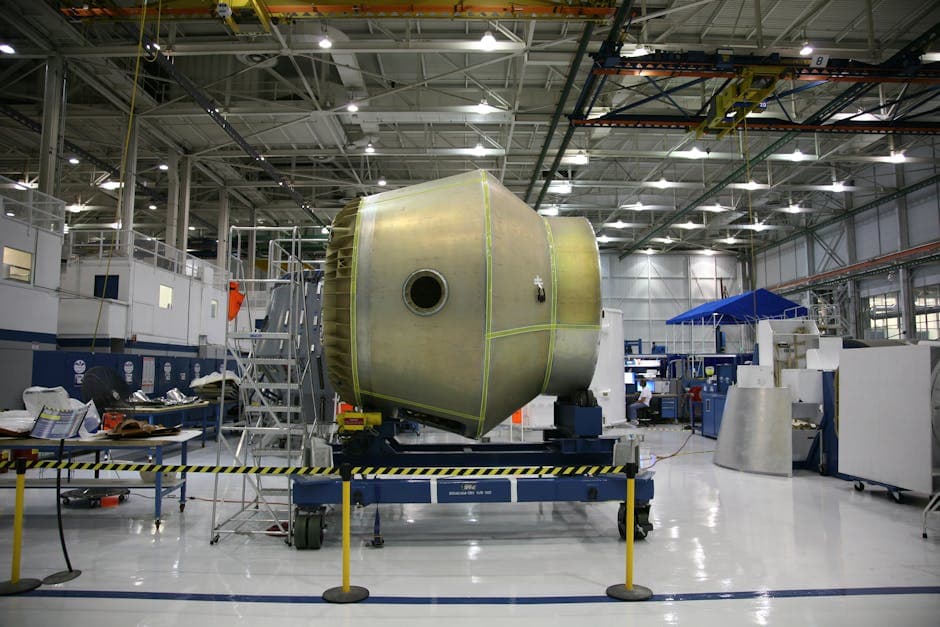
Composite Manufacturing Scheduling: Cure Time Constraints, Autoclave Capacity, and Layup Sequencing
Composite manufacturing scheduling software that handles autoclave cure cycles, prepreg shelf life, layup sequencing, and NDT inspection holds for aerospace and automotive suppliers.

Fastener and Hardware Manufacturing Scheduling: High-Throughput, Die-Constrained Production
Fastener manufacturing scheduling software that manages heading die life, heat treat batch loads, plating line capacity, and kanban replenishment for screws, bolts, and rivets.
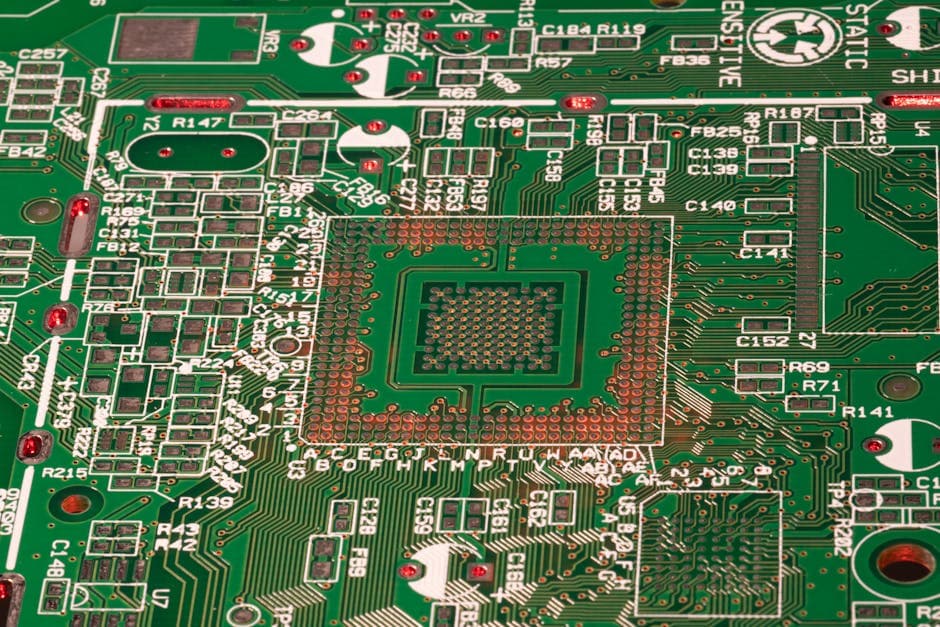
PCB Fabrication Scheduling: Managing Phototool Sequences, Plating Tanks, and Layer Constraints
PCB fabrication scheduling software that handles phototool sequencing, plating bath chemistry, drill allocation, and AOI queues. Built for electronics manufacturers.