
Subcontracting in Your Production Schedule: When and How to Outsource Operations
 User Solutions Team
Every manufacturer subcontracts something. Heat treating. Plating. Anodizing. Powder coating. Painting. Grinding. NDT inspection. For most job shops and contract manufacturers, outside processing is a routine part of the production flow - sometimes for 30-40% of all jobs.
Yet in 35+ years of working with manufacturers, we consistently find that subcontracted operations are the weakest link in the production schedule. Internal operations are modeled with setup times, run times, queue times, and machine assignments. The outside processing step is often modeled as nothing more than a blanket lead time buffer - or not modeled at all, with the scheduler jumping from "machining complete" to "inspection" while the 5 days at the heat treater are absorbed into an informal promise-date cushion.
When subcontracting is done right in your production schedule, it becomes a genuine capacity extension tool that expands your throughput without capital investment. Done wrong, it becomes the most common source of unexplained late deliveries. This article covers how to do it right.
For the broader framework of capacity planning and scheduling, see our complete guide to production scheduling software.
The Make vs. Buy Decision in a Scheduling Context
The make vs. buy decision is typically framed as a financial analysis: compare internal cost per unit (loaded overhead, labor, materials) against vendor price per unit. This is the right analysis for long-term strategic sourcing decisions.
But in the context of production scheduling, there's a shorter-term make vs. buy decision that happens constantly and is rarely made analytically: when your constraint machine is backlogged, should this specific job be subcontracted to relieve the constraint?
The scheduling-context make vs. buy question is: what is the cost in throughput of delaying this job through the internal constraint versus the cost (premium price + transit time + quality risk) of subcontracting it?
For a job with a due date in 10 days and an internal constraint that won't reach it for 15 days, the subcontracting premium - even if it costs 20-30% more - may be fully justified by the customer relationship and expedite costs avoided. The production schedule should surface this decision explicitly rather than letting planners make it ad hoc or miss it entirely because the constraint queue isn't visible.
Shops that integrate subcontracting decisions into their scheduling process - using the schedule to identify which jobs are constraint-delayed and routing those to approved outside vendors - consistently recover 15-25% of their lost-date incidents without any internal capacity change.
Modeling Outside Processing Routing Steps
The outside processing (OP) routing step is the correct way to represent subcontracted work in a production schedule. Rather than representing a workcenter operation (Machine → Operator → Run Time), the OP step represents a vendor relationship with a characteristic lead time.
The essential data fields for an OP routing step are:
Vendor identifier: Which approved subcontractor performs this operation. In a dual-source situation, this field can hold an ordered list of alternatives.
Standard lead time: The elapsed time from release to vendor until parts return to your dock, ready for the next internal operation. This includes transit to vendor, queue time at vendor, processing time, and return transit. Not just processing time - elapsed time.
Purchase order trigger: What purchasing action is required to authorize the OP. Some shops use standing blanket POs with releases; others require individual POs per job. The scheduling system should flag the OP step when it's approaching release date so purchasing acts in time.
Quality requirements: Any first-article, certification, or documentation requirements that add time to the OP step. A heat treat lot that needs a certificate of conformance from the vendor takes longer to close out than one without.
Return inspection step: A receiving inspection operation immediately following the OP return, with its own queue time. Parts returned from subcontracting should never flow directly into the next production operation without incoming inspection - at minimum a visual check, more for critical characteristics.
Common Subcontracted Operations and Their Scheduling Characteristics
Different outside processes have different scheduling risk profiles. Understanding them helps you set realistic lead times and manage schedule buffer allocation.
Heat treating is typically the highest-volume outside process in a job shop. Standard lead times range from 2-5 days for common processes (carburizing, through hardening, stress relief) at well-equipped heat treaters. Lead time variability is moderate - most heat treaters quote a day or two of variability based on furnace loading. The primary risk is quality failure: a batch that comes back with wrong hardness or distortion must be re-run, potentially scrapping parts if distortion is severe. For jobs on critical heat treat, always include a hardness verification step in your return inspection.
Electroplating and anodizing have similar lead time profiles to heat treating - 3-7 days standard - but higher quality variability. Plating bath chemistry, lot size, and part geometry all affect outcomes. Scheduling risk is elevated if your plating vendor handles multiple customers' parts in the same batch: your lot may sit waiting for a full batch to accumulate before it runs. Some vendors charge a premium for dedicated batch runs, which eliminates this waiting variable. For scheduling purposes, treat dedicated batch and shared batch as separate vendor options with different lead times.
Painting and powder coating are typically the fastest outside processes - 1-3 days for standard colors at most vendors. The scheduling complication is color sequencing: if you send multiple part families to the same painter, lots painted in an inefficient color sequence take longer because of the painter's own color changeover. For high-volume painting programs, it's worth coordinating release timing with your painter so your lots arrive in sequence-friendly color order.
NDT (non-destructive testing) is a special case because the operation is inspection, not processing - nothing changes about the part. Lead times for outsourced NDT range from 1-10 days depending on method (liquid penetrant, magnetic particle, ultrasonic, X-ray) and vendor backlog. The scheduling risk is that NDT results can require rework or disposition decisions that extend the OP window significantly. Schedule conservatively for NDT-critical jobs - use 80th percentile actual lead time, not average.
Tracking Subcontracted Jobs in the Production Schedule
Once a job is released to a subcontractor, it disappears from the shop floor - but it must not disappear from the production schedule. The schedule should show:
- Exact date the OP was released to the vendor (actual, not planned)
- Expected return date based on actual release date and standard lead time
- Status flag: in-transit, at-vendor, returned-pending-inspection, closed
- Purchase order reference for lot traceability
- Any expedite requests placed with the vendor
Without this visibility, planners have no way to identify jobs that are running late at the subcontractor before the promised ship date passes. The follow-up call to the heat treater happens after the customer has already missed their delivery - a reactive posture instead of a proactive one.
The discipline of tracking OP status in the scheduling system also builds a historical database of actual vs. planned lead times by vendor. After 6-12 months of data, you have vendor performance analytics that are invaluable for lead time planning, vendor negotiation, and make-vs.-buy decisions. EDGEBI can surface this data in operational dashboards, turning raw scheduling history into actionable vendor performance insight.
Vendor Capacity Constraints: The Invisible Variable
The most dangerous aspect of subcontracting in the production schedule is vendor capacity - a constraint you don't control and often can't see in real time.
When your heat treater runs a 3-day lead time for your work most of the year, and then suddenly extends to 10 days in Q4 because their other customers are year-end rushing, your schedule doesn't know about it until jobs start coming back late. If you have 15 jobs in queue expecting a 3-day OP and the actual time is 10 days, you have a 7-day overrun across 15 jobs that will hit your ship dates simultaneously.
The proactive mitigation is a weekly vendor capacity check built into your scheduling cadence. For your top 3-5 subcontractors, a weekly 5-minute conversation - "what's your lead time looking like this week, and do you see any changes in the next 30 days?" - provides early warning of capacity changes before they become schedule crises. Some vendors will proactively alert key customers to lead time changes; others won't unless asked.
The structural mitigation is dual-sourcing for any OP that is both high-volume and single-sourced. A second approved vendor - even one you rarely use - creates a relief valve when the primary vendor's capacity is constrained. The cost of qualifying a second vendor (trial lots, first article inspection, process documentation) is almost always less than the cost of a single major schedule crisis caused by single-source failure.
The Scheduling Risk of Single-Source Subcontractors
Single-source subcontracting creates schedule risk that is not modeled by any production scheduling system - because no scheduling system can know that your only heat treater's furnace is going to fail on a Wednesday in November.
The risk management approach is probabilistic: every subcontracted operation with a single qualified vendor should be assessed for supply risk, and jobs with high revenue or customer criticality should have documented alternative plans. The alternative plan might be: identify a second heat treater within 200 miles, run a trial lot to qualify them, and keep the relationship warm with 2-3 lots per year so they're ready to surge when needed.
For scheduling purposes, single-source OP steps should carry more buffer than dual-source steps - typically 1-2 additional days in the standard lead time - to account for the unmitigated variability risk. This is conservative but operationally honest: you're accepting the single-source risk, so you should plan around it.
Subcontracting inserts an external lead time into your routing that you don't control. Instead of a 4-hour operation on your own equipment, an outside process (OP) might add 3-10 days of transit time, queue time at the vendor, and processing time. Your production schedule must account for this elapsed time as a fixed constraint - the job cannot move to the next internal operation until the subcontracted step completes.
An outside processing (OP) routing step is a routing operation in your production schedule that represents work sent to a subcontractor. Rather than assigning a machine and labor, the OP step specifies the vendor, the expected lead time (transit + queue + processing), and the purchase order or release that authorizes the work. The scheduler treats this lead time as fixed queue time between the preceding and following internal operations.
Most scheduling systems allow you to set a standard lead time for each vendor and OP step. The more sophisticated approach is to maintain separate optimistic, standard, and pessimistic lead time values by vendor and track actual vs. planned lead time over rolling 90 days. Use the 80th percentile actual lead time as your planning standard - this gives you a conservative but realistic basis that absorbs routine variability without adding excessive buffer.
The three highest risks are: (1) single-source subcontractors with no alternative - if your only heat treater goes down for a week, jobs queue with no mitigation option; (2) vendor capacity constraints that aren't visible to your scheduling system - the vendor's lead time suddenly extends from 3 days to 10 days because they're backlogged, and your schedule doesn't learn about it until the job is already late; (3) quality failures at the subcontractor that require rework or re-running the OP step, adding unplanned lead time.
Are outside processing steps creating gaps in your production schedule? Contact User Solutions to see how RMDB and EDGEBI model OP routing steps, vendor lead times, and subcontracted job tracking - so subcontracting strengthens your schedule rather than undermining it. Trusted by GE, Cummins, BAE Systems, and job shops across North America for 35+ years.
Expert Q&A: Deep Dive
Q: We do heat treating and plating through two different subcontractors. Right now we don't model the OP steps in our schedule - we just add a blanket 5-day buffer after machining before we promise a ship date. We're chronically late on about 25% of jobs. How do we fix this?
A: The blanket buffer approach fails because your actual OP lead time is almost certainly not a constant 5 days - it's a distribution that varies by vendor load, part complexity, and lot size. Some jobs come back in 2 days, some take 12. The blanket 5-day buffer is simultaneously too long for fast jobs (which sit in WIP waiting for the buffer to expire before moving to finishing operations) and too short for slow jobs (which blow through the buffer and hit your ship date anyway). The fix is to model each OP step explicitly: create a routing step for heat treating with a vendor-specific lead time based on your last 90 days of actual performance, and same for plating. Then set your ship date promises based on the actual routing elapsed time, not a blanket buffer. You'll likely find that your real OP lead times average 3-4 days for heat treating and 4-6 days for plating - and that the variance comes from specific lots and rush jobs. Modeling explicitly also tells you, for any given job, exactly when you need to release to the heat treater to make your ship date. That release timing is actionable information. The blanket buffer gives you no actionable information - it just adds 5 days and hopes for the best.
Q: We're considering adding a second plating vendor to reduce our single-source risk. How do we decide which jobs go to which vendor, and how does that decision show up in the production schedule?
A: The decision framework for dual-sourcing typically has two layers: a cost/quality tier and a capacity allocation rule. If Vendor A is 10% cheaper but has 20% longer lead time, you use Vendor A for jobs with lead time slack and Vendor B for jobs under date pressure. In the production schedule, this shows up as vendor selection logic at the OP routing step - the scheduler evaluates both vendors' current lead times and selects the one that allows the job to make its due date at lowest cost. In RMDB, vendor alternatives on an OP step can be ranked by preference and the scheduler falls back to the secondary vendor automatically when the primary vendor's lead time makes the due date unachievable. The benefit of dual-sourcing shows up not just in risk reduction but in schedule flexibility: you can quote shorter lead times because you have a second path available. The typical result is that 70-80% of volume stays with the primary vendor and 20-30% goes to the secondary, with the secondary handling both emergency jobs and overflow when the primary is backlogged.
Frequently Asked Questions
Ready to Transform Your Production Scheduling?
User Solutions has been helping manufacturers optimize their production schedules for over 35 years. One-time license, 5-day implementation.

User Solutions Team
Manufacturing Software Experts
User Solutions has been developing production planning and scheduling software for manufacturers since 1991. Our team combines 35+ years of manufacturing software expertise with deep industry knowledge to help factories optimize their operations.
Share this article
Related Articles
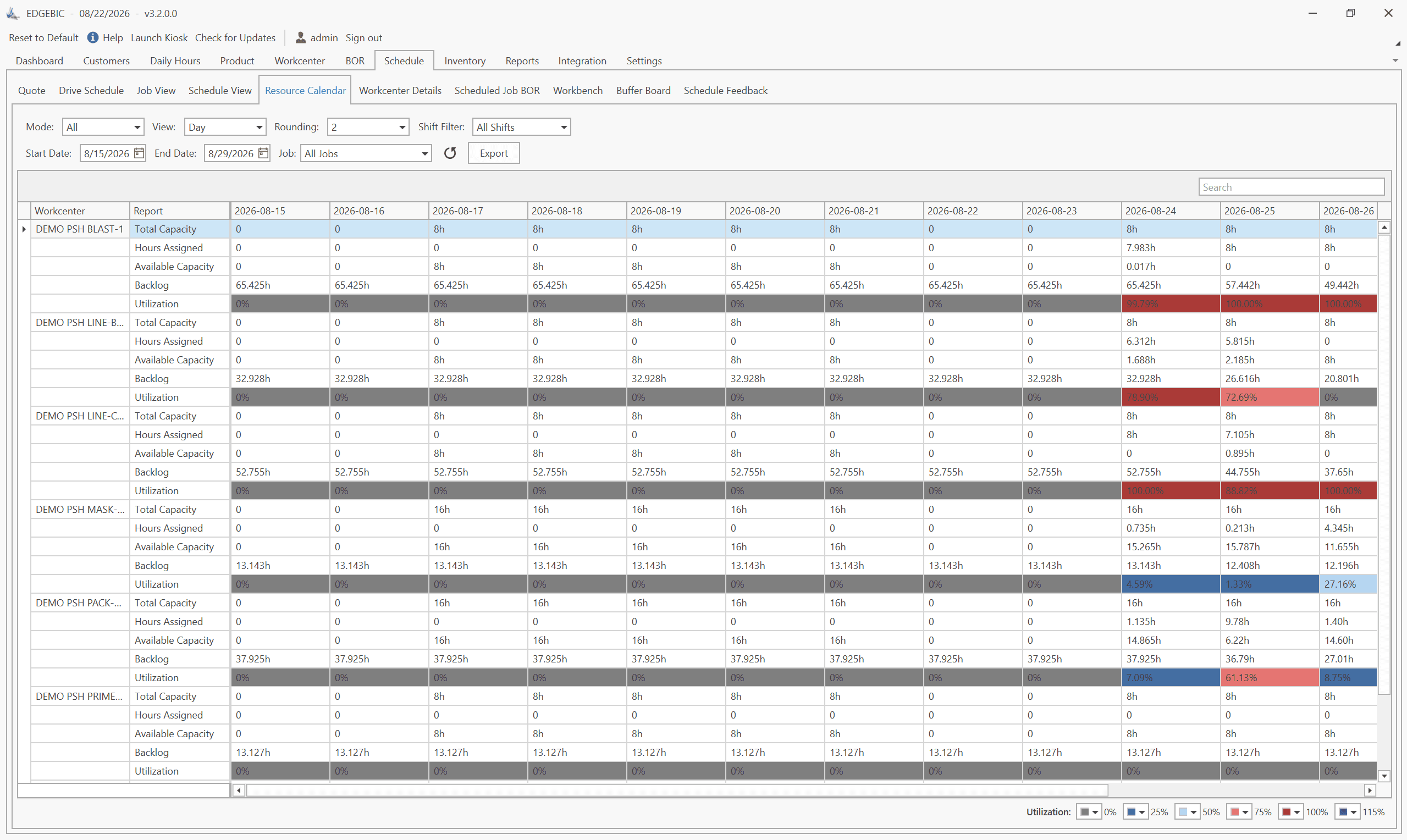
How to Create a Production Schedule in 7 Steps (Free Template)
How to create a production schedule step by step: horizon, real capacity, work orders, load check, sequence, dates, then publish. Worked example included.
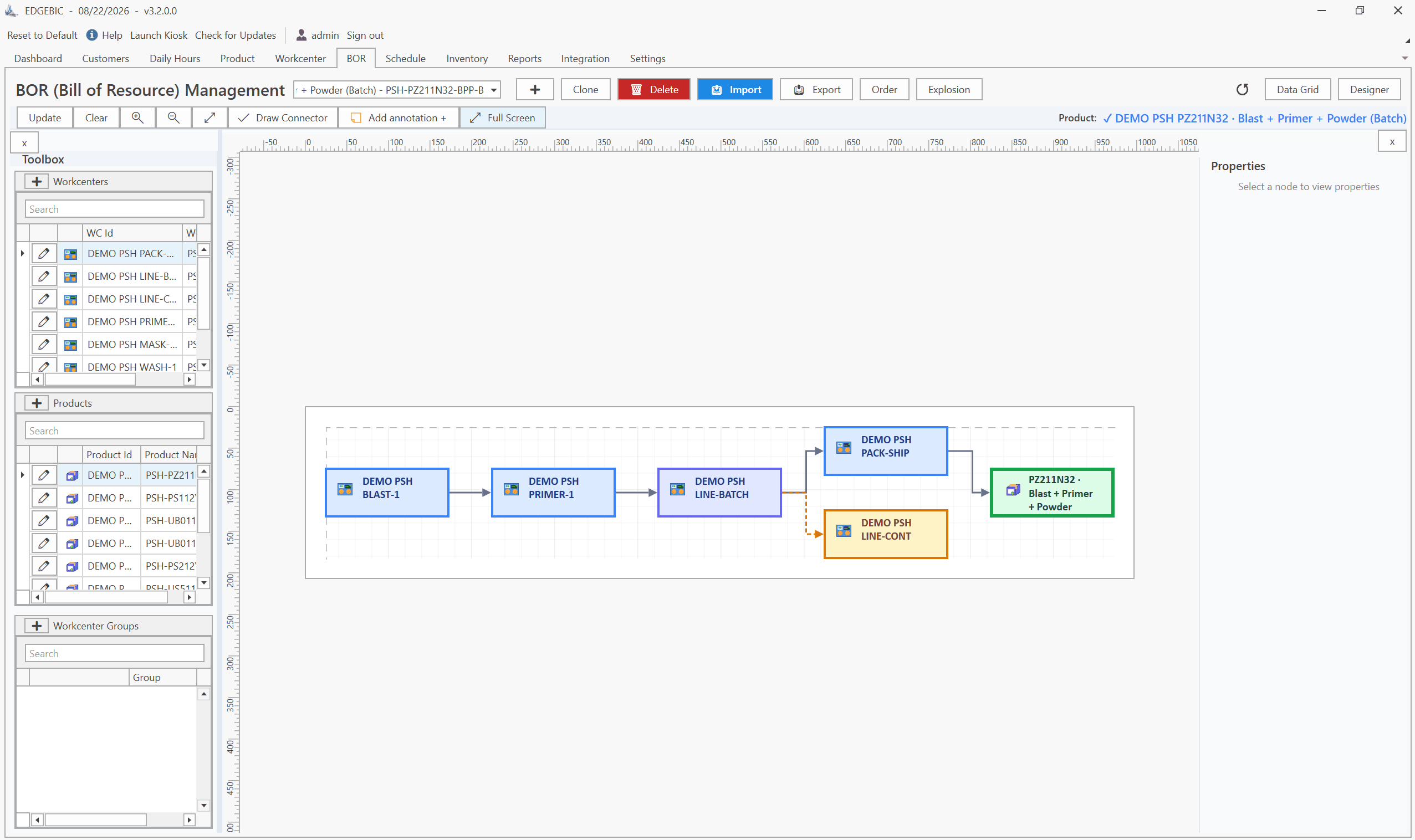
Production Planning and Control (PPC): Functions and Examples
Production planning and control explained: routing, loading, scheduling, sequencing, dispatching and expediting, the types of scheduling, and worked examples.
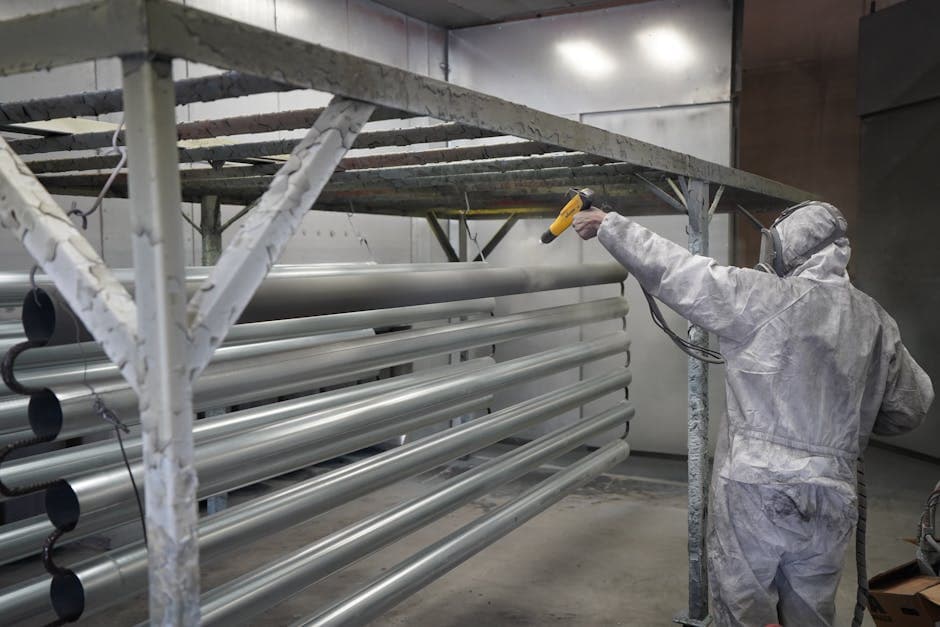
Sequence-Dependent Setup Times: The Scheduling Problem That Costs You Capacity
When changeover time depends on what ran before, standard scheduling fails. Learn how setup matrices, sequence optimization, and APS software recover 10-25% of hidden capacity in paint lines, food, and coating operations.