
Blog
Insights on production scheduling, lean manufacturing, and manufacturing software from 35+ years of industry experience.
Everything we have published.

Supply Chain Risk Management for Manufacturers: A Practical Guide
Build supply chain resilience with proven risk management strategies for manufacturers. Covers risk identification, mitigation, dual-sourcing, and scheduling contingency planning.

Supply Chain Visibility: The Manufacturer's Complete Guide
Learn how supply chain visibility transforms manufacturing operations. Covers real-time tracking, data integration, KPIs, and how scheduling software connects the dots.

Vendor-Managed Inventory (VMI) for Manufacturers: Complete Guide
Learn how vendor-managed inventory works in manufacturing. Covers VMI setup, benefits, risks, KPIs, supplier agreements, and integration with production scheduling.

Integrating Supplier Performance Into Your Production Schedule: On-Time, Quality, and Lead Time Metrics
Learn how to use supplier scorecards - OTD, quality PPM, lead time accuracy - as direct inputs to your production schedule and reduce supply chain disruptions.
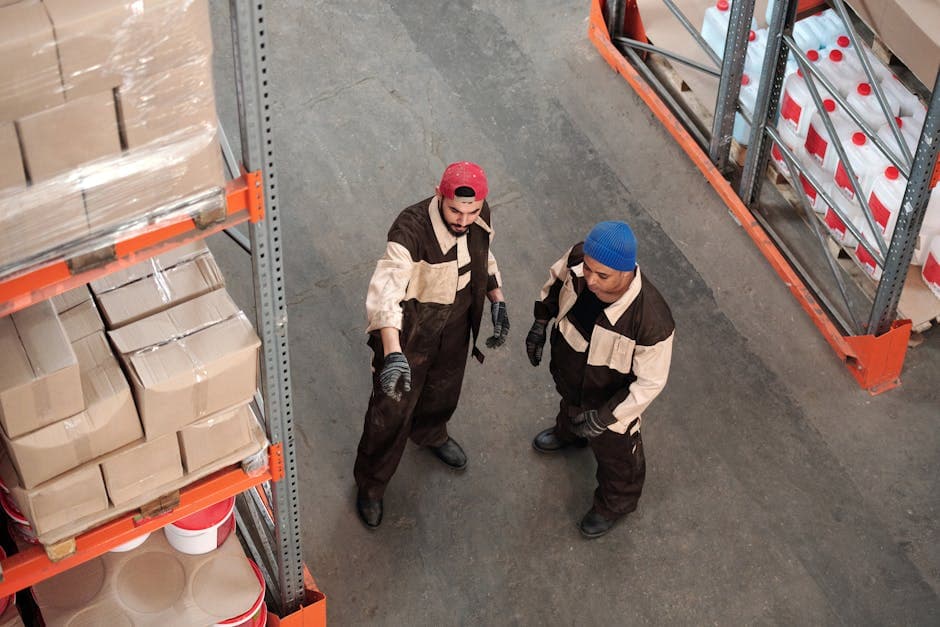
Dual-Sourcing Strategy: How to Schedule Across Two Suppliers With Different Lead Times and Costs
Learn how to implement a dual-sourcing strategy in manufacturing - allocating orders between primary and secondary suppliers with different lead times, costs, and quality levels.
The Bullwhip Effect in Manufacturing: Why Small Demand Changes Wreck Your Supply Chain
Understand the bullwhip effect in manufacturing supply chains - why a 5% demand change becomes a 40% swing upstream, and how to dampen it with better scheduling.
Decoupling Inventory: Buffer Positioning and Independent Stage Scheduling
Learn what decoupling inventory is, where to position buffer stocks in a production system, and how decoupling points enable independent scheduling of manufacturing stages.
FEFO (First Expired, First Out): Inventory Rotation for Shelf-Life Materials
Learn how FEFO inventory rotation works in food, pharma, and chemical manufacturing, how it differs from FIFO, and how to implement it in your facility.

Finished Goods Inventory: How to Optimize Levels and Reduce Carrying Costs
Learn what finished goods inventory is, how to calculate optimal stock levels, and how production scheduling software reduces waste and stockouts.

Inventory Cycle Counting: How It Works and Why It Beats the Annual Stocktake
Inventory cycle counting improves record accuracy, reduces disruption, and feeds better data into MRP and production scheduling. Learn the process, methods, and best practices.
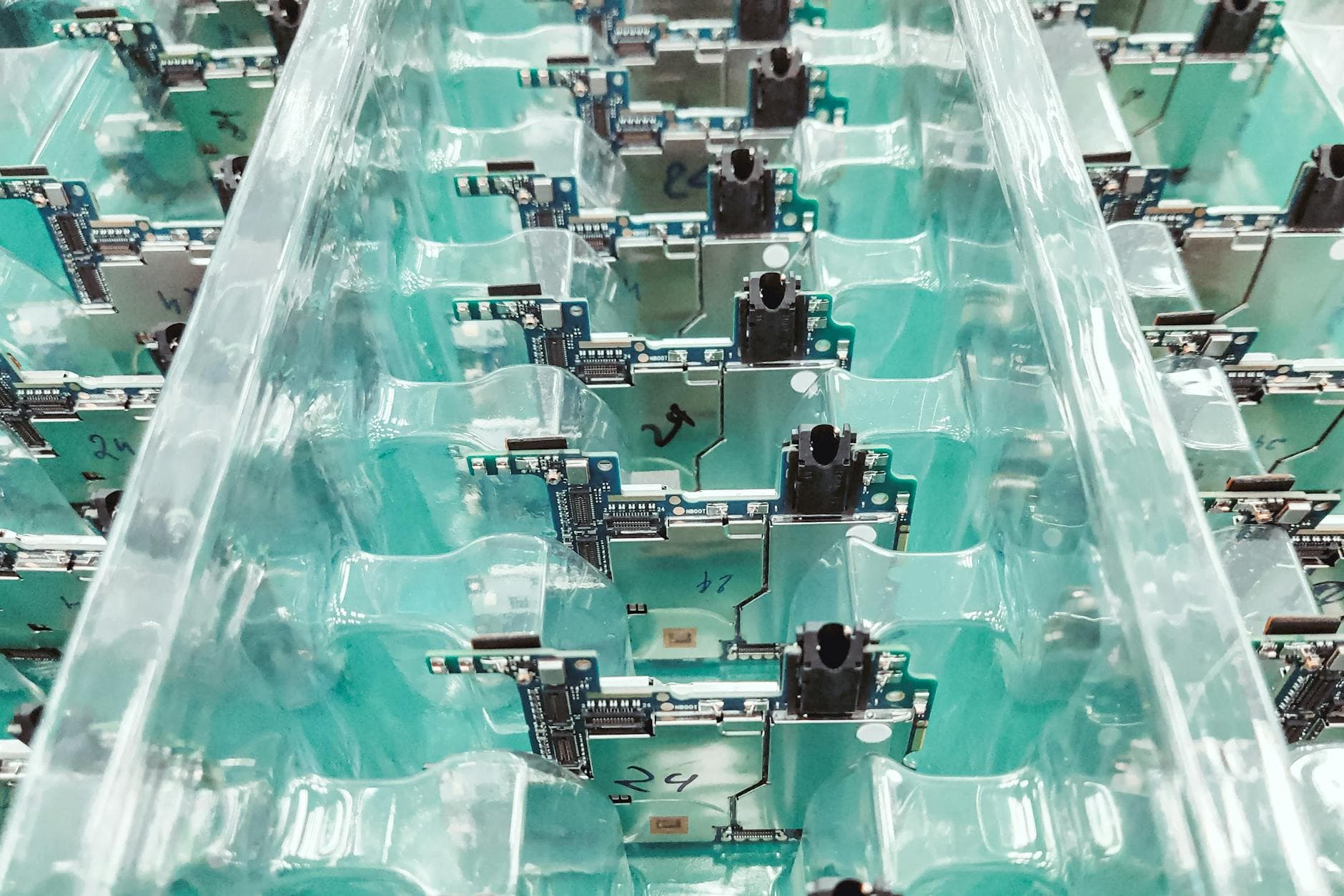
Kitting in Manufacturing: What It Is, How It Works, and Why It Matters
Learn what kitting in manufacturing means, how kitting differs from picking, and how a kitting process improves production scheduling and throughput.
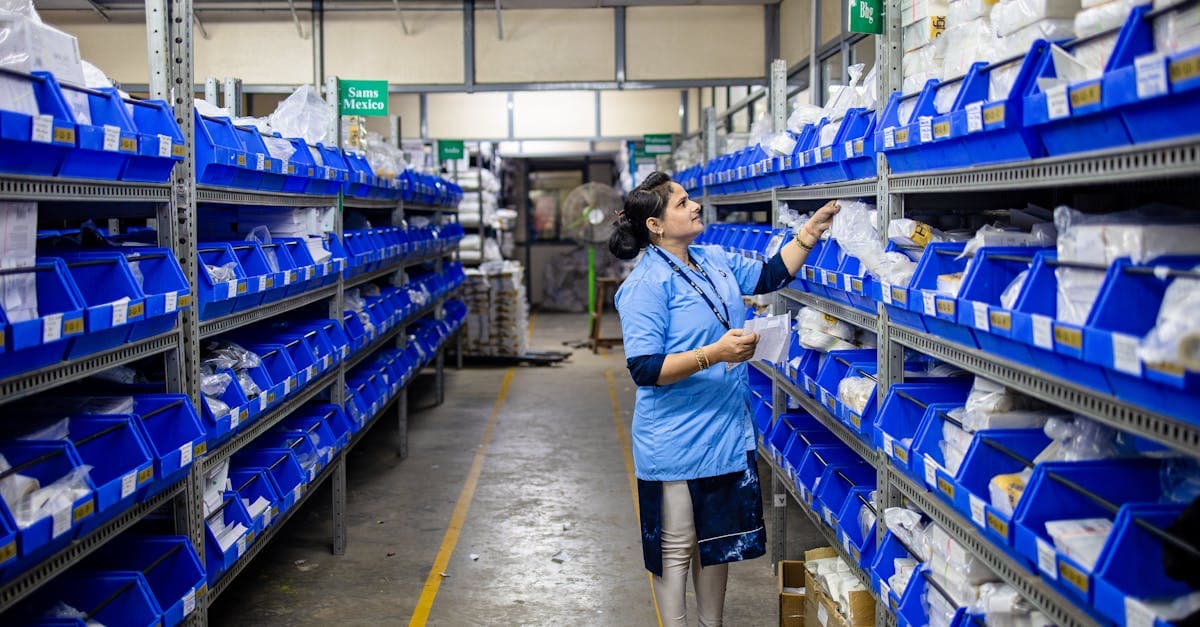
Minimum Order Quantity (MOQ) in Manufacturing: What It Means and How to Negotiate It
Understand what MOQ means for suppliers and buyers, how to calculate economic order quantities, and how production scheduling affects your MOQ strategy.