
Metal Fabrication Scheduling: Optimizing Throughput
 User Solutions Team
Metal fabrication scheduling is one of the most challenging production scheduling environments in manufacturing. Fab shops operate with hundreds of active jobs, each following a unique routing through cutting, bending, welding, machining, and finishing operations. Every job competes for shared equipment and skilled labor, changeovers are frequent, and customer delivery expectations are increasingly demanding.
This guide covers the scheduling challenges specific to metal fabrication shops and the strategies that transform scheduling from reactive firefighting into proactive production control. At User Solutions, we have spent over 35 years helping high-mix manufacturers - including metal fabricators and job shops - optimize their scheduling operations with finite capacity planning tools.
Why Metal Fabrication Scheduling Is Uniquely Challenging
Metal fabrication combines the worst-case scheduling scenario: high product mix, variable routings, shared resources, and unpredictable job complexity. Understanding these challenges is the first step toward solving them.
High-Mix, Low-Volume Production
A typical metal fabrication shop might have 200-500 active jobs at any time, spanning hundreds of unique part numbers. Unlike repetitive manufacturing where the same product runs continuously, fab shops produce custom or semi-custom components in quantities ranging from one piece to a few hundred. Each job may follow a different routing through the shop, making standardized scheduling approaches inadequate.
This high-mix environment means your scheduling system must handle routing variability as a core capability, not an exception. Every job needs its own sequenced path through the available work centers, and the schedule must manage all of these unique paths simultaneously without conflicts.
Multi-Operation Routings Across Shared Equipment
A single fabricated part might flow through 5-10 operations: laser cutting, deburring, bending, welding, grinding, machining, surface treatment, and final inspection. Each operation uses different equipment and different operators, and the sequence matters - you cannot weld before you cut, and you cannot paint before you weld.
The scheduling challenge is coordinating all of these operations across shared equipment where dozens of other jobs are competing for the same resources. A laser cutter serves cutting operations for every job in the shop. A press brake serves bending operations for hundreds of different parts. Without finite capacity scheduling, there is no way to produce a realistic plan that respects all of these competing demands.
Nesting and Batch Coordination
Many fab shops use nesting software to combine parts from multiple jobs onto shared material sheets for laser or plasma cutting. This creates efficiency at the cutting stage - better material utilization and fewer setups - but introduces scheduling complexity downstream. Parts from different jobs with different due dates are cut together, then must be separated and routed to their individual downstream operations.
Your scheduling system must coordinate nesting groups with individual job priorities, ensuring that parts cut in a shared nest flow to their downstream operations in time to meet their respective due dates. A nest that is optimized for material utilization but ignores scheduling priorities can create downstream bottlenecks and missed deliveries.
Core Scheduling Challenges in Metal Fabrication
The Welding Bottleneck
In most metal fabrication shops, welding is the primary capacity constraint. Welding operations are labor-intensive, highly variable in duration, and dependent on certified welders who cannot be easily cross-trained or substituted. A complex structural weldment might require 40 hours of skilled welding, while a simple bracket takes 15 minutes.
Effective scheduling must model welding capacity accurately - including welder certifications, shift availability, and the wide variation in operation duration. The schedule should balance load across available welders and ensure that upstream operations deliver prepared work to the welding department in a steady flow rather than batch surges.
Setup and Changeover Frequency
Fab shop equipment requires setups between different jobs. Press brakes need tooling changes for different bend profiles. Welding stations need fixture changes. Finishing lines need spray gun and color changes. With hundreds of different jobs flowing through the shop, setup frequency is a major factor in productive capacity.
Scheduling software addresses this by grouping jobs that share similar setups - same material, same thickness, same tooling, same finish color. Running these similar jobs consecutively reduces the number of full changeovers while still meeting delivery dates. This setup optimization can recover 10-20% of productive capacity without any investment in faster changeover equipment. Lean manufacturing principles complement this software-driven approach.
Estimating and Quoting Accuracy
Fab shops must quote lead times before accepting orders. Without scheduling visibility, these quotes are often based on historical averages or gut feel - leading to over-promising that creates expediting pressure, or under-promising that loses competitive quotes. Scheduling software allows you to model a prospective job against the current shop load and see when capacity is actually available, producing data-driven quotes that are both competitive and achievable.
Material Availability Coordination
Metal fabrication depends on timely material delivery - steel plate, bar stock, tube, structural shapes, and hardware. If material for a scheduled job has not arrived, the job cannot start and the scheduled machine time goes to waste. Integrating material planning with production scheduling ensures that jobs only enter the executable schedule when materials are confirmed available.
How RMDB and EDGEBIC Optimize Fab Shop Scheduling
Finite Capacity Across All Work Centers
RMDB by User Solutions schedules every operation across every work center against actual finite capacity. The system handles the routing variability inherent in metal fabrication - hundreds of unique routings across shared cutting, bending, welding, machining, and finishing resources - without requiring standardized product flows.
The scheduling engine processes 500+ active jobs across 50+ work centers in seconds, producing a complete, conflict-free schedule that respects machine capacity, labor availability, material constraints, and due date priorities.
Visual Gantt Charts for Shop Floor Control
The EDGEBI visual interface displays the complete production schedule as an interactive Gantt chart. Fabrication shop managers can see every job on every machine, identify bottlenecks (typically welding), and make real-time adjustments through drag-and-drop. This visual capability replaces the whiteboards and printed shop travelers that many fab shops still rely on.
When a customer calls asking about their order status, the answer is visible in the Gantt chart - not buried in a spreadsheet or dependent on walking the shop floor to find the parts.
Setup Optimization
RMDB groups jobs with similar setup requirements to minimize changeover frequency. For press brake operations, jobs with the same tooling profile are sequenced together. For finishing operations, jobs with the same color or coating are batched. This optimization happens automatically within the scheduling algorithm while still respecting delivery date priorities.
What-If Analysis for Quoting
When a new order opportunity arrives, planners can model the prospective job against the current schedule to see where capacity is available and what the realistic delivery date would be. This eliminates guesswork from the quoting process and allows the sales team to provide competitive, achievable commitments.
ERP Integration
RMDB integrates with the ERP systems commonly used in fabrication shops - Epicor, JobBOSS, Sage, and others - through flexible import/export. Work orders, routings, and material data flow from your ERP into the scheduler, and optimized dates flow back. This ERP add-on approach means you keep your existing business system and add specialized scheduling capability on top.
Best Practices for Metal Fabrication Scheduling
Invest in Accurate Routing Data
The quality of your schedule depends directly on the accuracy of your routing data. If your estimated run times are 30% off, your schedule will be 30% off. Start by auditing your top 50 most common part numbers and correcting their routing times. This effort pays dividends across every scheduling decision.
Make the Schedule Visible on the Shop Floor
Put monitors in the shop displaying each work center's queue in priority order. When operators can see the schedule, they follow it. When the schedule is invisible, they cherry-pick. Visual scheduling drives schedule adherence from 60% to 90%+ in most shops.
Measure Schedule Adherence
Track the percentage of operations that start and complete on schedule. This KPI is the single best indicator of scheduling effectiveness and shop floor discipline. Track additional manufacturing KPIs like machine utilization and on-time delivery to build a complete performance picture.
Address the Welding Bottleneck Strategically
If welding is your bottleneck, scheduling helps but cannot solve the fundamental capacity constraint. Use scheduling data to quantify the bottleneck - how many hours per week of welding backlog exists - and use that data to justify investment in additional welding capacity, overtime, or subcontracting.
Integrate Material Availability
Do not schedule jobs before materials are confirmed available. This simple rule eliminates a significant portion of schedule disruptions in fabrication shops. Your scheduling system should check material availability before placing a job on the executable schedule.
Expert Q&A: Deep Dive
Q: How do you handle scheduling for a fab shop where every job has a unique routing?
A: This is the fundamental challenge of metal fabrication scheduling. In a typical fab shop, you might have 300 active jobs and 250 different routings. RMDB handles unique routings natively - there is no assumption that jobs follow the same path. The scheduling engine loads every operation from every job onto the appropriate work center, respects the operation sequence for each job, and calculates realistic start and finish times based on actual capacity. The result is a finite capacity schedule that shows exactly when each operation for each job will execute.
Q: Our biggest bottleneck is welding. How does scheduling help?
A: Welding bottlenecks are the most common constraint in metal fabrication. RMDB helps in three ways. First, the finite capacity schedule makes the bottleneck visible and quantifiable. Second, the system models alternate resources - if a job can be welded by multiple welders, the scheduler balances load. Third, the schedule optimizes upstream work flow so welders have continuous prepared work rather than feast-or-famine cycles.
Q: We are constantly expediting jobs. How do we break out of the expediting cycle?
A: The expediting trap is a vicious cycle: late jobs get expedited forward, pushing other jobs late, creating more expediting. Breaking the cycle requires realistic delivery dates that account for actual shop load, plus the discipline to run jobs in scheduled sequence. RMDB provides both - realistic scheduling that reduces the need for expediting, and visual dispatch lists that give operators clear priority-ordered queues.
Frequently Asked Questions
Transform Your Fab Shop Scheduling
User Solutions has helped metal fabricators and job shops optimize production scheduling for over 35 years. Our RMDB platform delivers finite capacity scheduling with setup optimization, visual Gantt charts, and ERP integration - implemented in as few as 5 days with a one-time license fee.
Schedule a Free Demo | See EDGEBIC | View Pricing
📚 Continue learning: This article is part of our Manufacturing Scheduling by Industry: How Requirements Differ pillar guide - the comprehensive resource for industry-specific manufacturing scheduling.
Expert Q&A: Deep Dive
Q: How do you handle scheduling for a fab shop where every job has a unique routing?
A: This is the fundamental challenge of metal fabrication scheduling - and it is what makes fab shops so different from repetitive manufacturing. In a typical fab shop, you might have 300 active jobs and 250 different routings. Some jobs go from laser to brake to weld to paint. Others go from plasma to drill to powder coat. Every job follows its own path through the shop. The scheduling approach must embrace this variability rather than fight it. RMDB handles unique routings natively - there is no assumption that jobs follow the same path. The scheduling engine loads every operation from every job onto the appropriate work center, respects the operation sequence for each job, and calculates realistic start and finish times based on actual capacity at each work center. The result is a finite capacity schedule that shows exactly when each operation for each job will execute - regardless of how unique the routing is.
Q: Our biggest bottleneck is welding - we have more work than welders. How does scheduling help?
A: Welding bottlenecks are the single most common capacity constraint we see in metal fabrication shops. The challenge is not just limited welder capacity - it is that welding operations vary enormously in duration (from 15 minutes for a simple tack weld to 40 hours for a complex structural assembly), and weld quality depends on matching the right welder to the right job based on certifications and experience. RMDB helps in three ways. First, the finite capacity schedule shows the true load on your welding department, making the bottleneck visible and quantifiable. Second, the system can model alternate resources - if a job can be welded by Welder A or Welder B, the scheduler can balance load across available welders. Third, the schedule optimizes the sequence of work feeding the welding department so that welders have a continuous flow of prepared work rather than feast-or-famine cycles caused by upstream batch processing.
Q: We are constantly expediting jobs. How do we break out of the expediting cycle?
A: The expediting trap is a vicious cycle: late jobs get expedited to the front of the queue, which pushes other jobs late, which creates more expediting, which pushes more jobs late. It is the most destructive pattern in fab shop scheduling. Breaking the cycle requires two things. First, you need a finite capacity schedule that produces realistic delivery dates - dates that account for actual shop load, not just the sum of operation times. When your quoted lead times reflect reality, fewer jobs become late in the first place. Second, you need schedule discipline - the commitment to run jobs in scheduled sequence rather than responding to whoever yells loudest. RMDB provides both: realistic scheduling that reduces the need for expediting, and visual dispatch lists that give operators a clear, priority-ordered queue for each work center.
Frequently Asked Questions
Ready to Transform Your Production Scheduling?
User Solutions has been helping manufacturers optimize their production schedules for over 35 years. One-time license, 5-day implementation.

User Solutions Team
Manufacturing Software Experts
User Solutions has been developing production planning and scheduling software for manufacturers since 1991. Our team combines 35+ years of manufacturing software expertise with deep industry knowledge to help factories optimize their operations.
Share this article
Related Articles
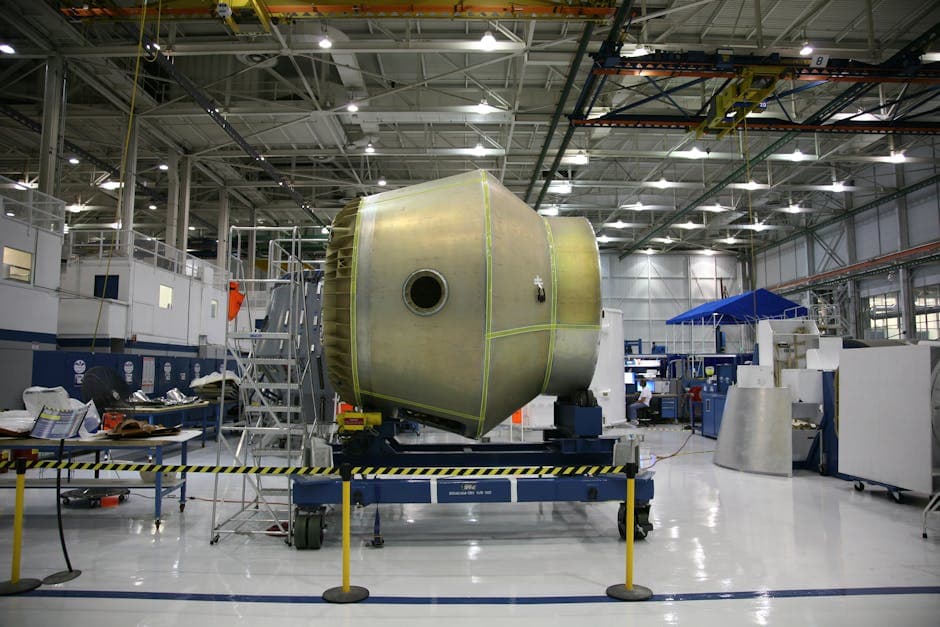
Composite Manufacturing Scheduling: Cure Time Constraints, Autoclave Capacity, and Layup Sequencing
Composite manufacturing scheduling software that handles autoclave cure cycles, prepreg shelf life, layup sequencing, and NDT inspection holds for aerospace and automotive suppliers.
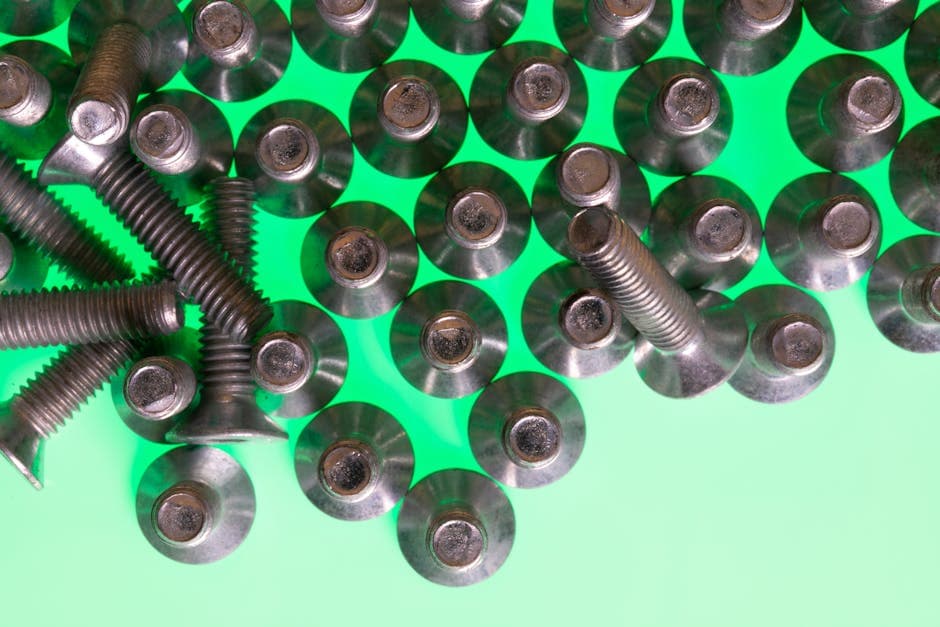
Fastener and Hardware Manufacturing Scheduling: High-Throughput, Die-Constrained Production
Fastener manufacturing scheduling software that manages heading die life, heat treat batch loads, plating line capacity, and kanban replenishment for screws, bolts, and rivets.
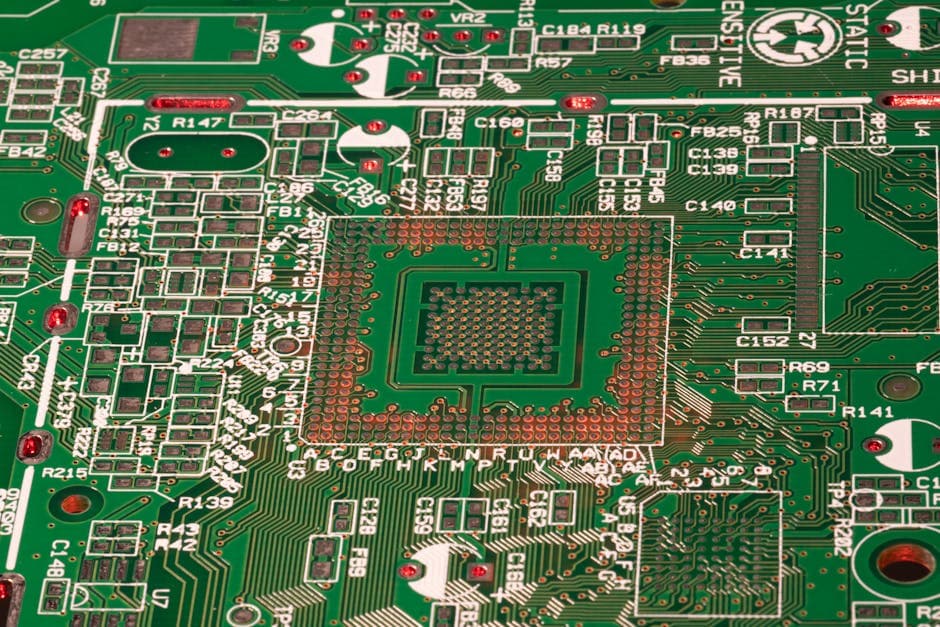
PCB Fabrication Scheduling: Managing Phototool Sequences, Plating Tanks, and Layer Constraints
PCB fabrication scheduling software that handles phototool sequencing, plating bath chemistry, drill allocation, and AOI queues. Built for electronics manufacturers.