
Medical Device Manufacturing Scheduling & Compliance
 User Solutions Team
Medical device manufacturing scheduling carries stakes that go beyond delivery dates and production efficiency. The devices your facility produces may sustain lives, diagnose diseases, or enable surgical procedures. FDA regulations, ISO 13485 requirements, and the fundamental imperative of patient safety create a scheduling environment where compliance is not optional and shortcuts are not acceptable.
This guide covers the specific scheduling challenges facing medical device manufacturers, the regulatory requirements your scheduling system must support, and how User Solutions has helped regulated manufacturers build scheduling systems that satisfy both operational and compliance objectives for over 35 years. Whether you produce Class I accessories or Class III implantable devices, effective scheduling is the operational foundation of your quality system.
Regulatory Framework for Medical Device Scheduling
Medical device manufacturing operates under a regulatory framework that directly impacts scheduling decisions. Understanding these requirements is essential before selecting or configuring scheduling software.
FDA 21 CFR 820 - Quality System Regulation
The FDA's Quality System Regulation (21 CFR Part 820) establishes requirements for the methods, facilities, and controls used in manufacturing medical devices. Several clauses directly affect production scheduling:
- Section 820.70 (Production and Process Controls) - Requires documented production processes and procedures, including process parameters and work instructions
- Section 820.72 (Inspection, Measuring, and Test Equipment) - Requires calibrated equipment, which creates scheduling constraints around calibration windows
- Section 820.75 (Process Validation) - Validated processes must follow exact procedures without deviation, constraining how scheduling can sequence operations
- Section 820.184 (Device History Record) - Every production unit requires a complete DHR documenting materials, processes, equipment, and operators
Your scheduling system contributes to DHR integrity by defining the production sequence, resource assignments, and timing that become part of the permanent quality record. A scheduling change that alters the validated production sequence triggers a change control process.
ISO 13485 - Medical Device Quality Management
ISO 13485 clause 7.5.1 requires production to be carried out under controlled conditions, including documented work instructions, suitable equipment, monitoring and measuring devices, and implementation of release and delivery activities. Your scheduling system should generate or support the documentation these requirements demand.
FDA 21 CFR Part 11 - Electronic Records
If your scheduling system generates electronic records that serve as regulated records (such as production orders, batch records, or process parameters), Part 11 applies. Your scheduling software must support electronic signatures, audit trails, record integrity controls, and user access management. For a detailed look at compliance requirements, see our manufacturing compliance scheduling guide.
Key Scheduling Challenges in Medical Device Manufacturing
Validated Process Sequences
Medical device manufacturing processes are validated through Installation Qualification (IQ), Operational Qualification (OQ), and Performance Qualification (PQ). Once validated, these processes must be executed exactly as specified - the sequence of operations, the equipment used, and the process parameters cannot be changed without formal change control and potential revalidation.
This means your scheduling system must enforce validated sequences as hard constraints. Operators cannot reorder operations, skip inspection steps, or substitute equipment without documented deviation approval. The scheduling software must make it physically impossible - or at minimum, auditably traceable - to deviate from the validated production sequence.
Clean Room Capacity Management
Many medical device manufacturing operations occur in controlled environments - ISO Class 7 or Class 8 clean rooms for assembly, ISO Class 5 for certain implantable device operations. Clean room capacity is limited by physical space, environmental monitoring requirements, and gowning protocols.
Scheduling must respect clean room capacity as a finite constraint. If your clean room supports a maximum of 8 concurrent assembly stations, the schedule cannot assign 10 jobs to that room regardless of machine availability elsewhere. Personnel gowning time, environmental monitoring holds after maintenance, and clean room certification windows all create additional scheduling constraints.
Sterilization Bottlenecks
For devices requiring sterilization, the sterilization process is often the most significant scheduling bottleneck. EtO sterilization cycles including aeration can take 12-72 hours. Gamma irradiation is typically outsourced, adding transportation and third-party scheduling dependencies. These long-cycle, batch-dependent processes require careful scheduling to avoid either starving the sterilizer (lost throughput) or overwhelming it (WIP accumulation).
Lot and Serial Number Traceability
Medical device regulations require complete traceability from raw materials through finished devices. Your scheduling system must maintain this traceability thread by linking scheduled operations to specific material lots, recording which equipment and operators were used for each operation, and preserving the relationship between parent lots and child assemblies through multi-level assembly operations.
This traceability requirement means that scheduling changes - rescheduling a lot to different equipment, reassigning an operator, or changing the production sequence - must be documented with the same rigor as the original schedule. Traceability ties directly to quality control processes that every medical device manufacturer must maintain.
Mandatory Hold Times and Waiting Periods
Medical device processes frequently include mandatory hold times that cannot be shortened - adhesive cure times, sterilization aeration periods, bioburden test incubation, and stability testing. These hold times are validated process parameters, not suggestions. Your scheduling system must model them as hard constraints and prevent downstream operations from starting prematurely.
How Scheduling Software Addresses Medical Device Challenges
Validated Sequence Enforcement
RMDB by User Solutions enforces validated process sequences as hard constraints within the scheduling engine. Operations must be completed in the defined order, with required inspection holds between operations that cannot be bypassed. This enforcement ensures that the production schedule complies with validated procedures without relying on operator memory or manual verification.
Resource Qualification Matching
The scheduling engine matches operations to qualified resources - only trained and certified operators are assigned to operations that require specific qualifications, and only calibrated equipment is scheduled for operations that require calibration verification. This automatic matching prevents the compliance risk of assigning unqualified resources to regulated operations.
Finite Capacity Clean Room Scheduling
RMDB models clean room environments as finite capacity resources with defined constraints - maximum concurrent operations, gowning time, and environmental hold periods. The schedule respects these constraints alongside all other production constraints, ensuring that clean room operations are feasible and that environmental controls are maintained.
Audit Trail and Change Documentation
Every scheduling action in RMDB is logged with user identification, timestamp, and reason. Schedule changes create an auditable record that supports compliance requirements under FDA 21 CFR Part 11, ISO 13485, and customer quality agreements. This audit trail becomes part of the quality record that auditors review.
Visual Scheduling with EDGEBI
The EDGEBI graphical interface provides Gantt chart visualization across all work centers, clean rooms, and sterilization resources. Production managers can see the entire production plan, identify capacity conflicts, and evaluate the impact of schedule changes before committing them - all within a visual interface that makes complex multi-constraint schedules comprehensible.
Best Practices for Medical Device Scheduling
Treat Scheduling as a Quality System Element
Your production schedule is not just an operational tool - in medical device manufacturing, it is a quality system element. Schedule creation, modification, and execution should follow documented procedures within your quality management system. Schedule changes that affect validated processes should route through your change control process.
Model All Constraints Explicitly
Do not rely on tribal knowledge for scheduling constraints. If a process requires a certified operator, model it. If a hold time is validated, enforce it in the scheduling system. If clean room capacity is limited, constrain it. The more accurately your scheduling model reflects regulatory and process requirements, the lower your compliance risk.
Integrate Equipment Calibration Schedules
Equipment calibration due dates should feed into your production scheduling system. If a critical measurement device is approaching its calibration due date, the scheduling system should flag operations that depend on that equipment and prevent scheduling past the calibration window. This prevents the compliance risk of producing devices on out-of-calibration equipment.
Build Recall Readiness Into Scheduling
Configure your scheduling system to maintain the batch genealogy and traceability records needed for rapid recall response. In a recall scenario, you need to trace from a specific component lot to every finished device that incorporated it - and you need to do it quickly. The MRP and material planning integration in your scheduling system supports this traceability.
Prepare for FDA Inspections
Your scheduling system's audit trail, change history, and production records will be reviewed during FDA inspections. Ensure these records are complete, accessible, and demonstrate compliance with your validated procedures. Regular internal audits of scheduling records help identify gaps before FDA finds them.
Expert Q&A: Deep Dive
Q: What specific scheduling capabilities are needed for Class III medical device manufacturing?
A: Class III devices - the highest risk category, including implantable devices and life-sustaining equipment - require the most rigorous scheduling controls. Your scheduling system must enforce validated process sequences that cannot be modified without formal change control, assign only qualified operators with documented qualification status, schedule and verify equipment calibration before operations begin, and maintain complete batch and serial number traceability.
At User Solutions, we have configured RMDB for Class III device manufacturers where the scheduling system serves as the operational backbone of the device history record. The schedule defines what should happen, and the execution records against the schedule document what actually happened.
Q: How do you handle scheduling when a medical device process has mandatory hold times?
A: Many medical device processes include mandatory hold times - adhesive curing, sterilization cycles, bioburden testing incubation. These are validated process parameters that must be respected exactly. RMDB models these hold times as constrained operations. After a bonding operation, for example, the schedule automatically inserts a 24-hour cure time during which no subsequent operations on that lot can begin.
The system prevents operators from pulling work forward past a hold time, even if the next workstation is available. In a busy production environment, the natural instinct is to keep work moving - but in medical device manufacturing, rushing past a validated hold time is a serious compliance violation.
Q: How should medical device manufacturers approach scheduling for products that require sterilization?
A: Sterilization is often the most significant bottleneck in medical device manufacturing. Whether you use EtO, gamma radiation, or steam sterilization, these processes have unique scheduling characteristics - long cycle times, batch size constraints, and required post-sterilization testing.
RMDB models sterilization capacity alongside all other production resources, ensuring that the schedule does not create a production surge that overwhelms sterilization capacity. We also schedule the post-sterilization quality testing and release process, because product cannot ship until sterility assurance testing is complete.
Frequently Asked Questions
Schedule a Medical Device Manufacturing Demo
User Solutions has helped regulated manufacturers - including FDA-audited medical device facilities - build compliant scheduling systems for over 35 years. Our RMDB platform delivers validated-process scheduling, audit trail documentation, and finite capacity planning - with a one-time license and 5-day implementation.
Schedule a Free Demo | See EDGEBIC | View Pricing
📚 Continue learning: This article is part of our Manufacturing Scheduling by Industry: How Requirements Differ pillar guide - the comprehensive resource for industry-specific manufacturing scheduling.
Expert Q&A: Deep Dive
Q: What specific scheduling capabilities are needed for Class III medical device manufacturing?
A: Class III devices - the highest risk category, including implantable devices, life-sustaining equipment, and certain diagnostic devices - require the most rigorous scheduling controls. Every aspect of production must be validated and traceable. Your scheduling system must enforce validated process sequences that cannot be modified without formal change control, assign only qualified and trained operators to each operation with documentation of their qualification status, schedule and verify equipment calibration status before operations begin, maintain complete batch and serial number traceability through every operation, and integrate quality hold points where production cannot proceed until inspection is completed and approved. At User Solutions, we have configured RMDB for Class III device manufacturers where the scheduling system serves as the operational backbone of the device history record. The schedule defines what should happen, and the execution records against the schedule document what actually happened - creating the traceable production record that FDA expects.
Q: How do you handle scheduling when a medical device manufacturing process has mandatory hold times and environmental conditions?
A: Many medical device processes include mandatory hold times - adhesive curing, sterilization cycles, bioburden testing incubation, and environmental conditioning. These are not optional waiting periods; they are validated process parameters that must be respected exactly. RMDB models these hold times as constrained operations. After a bonding operation, for example, the schedule automatically inserts a 24-hour cure time during which no subsequent operations on that lot can begin. The system prevents operators from pulling work forward past a hold time, even if the next workstation is available. This is critical because in a busy production environment, the natural instinct is to keep work moving - but in medical device manufacturing, rushing past a validated hold time is a serious compliance violation.
Q: How should medical device manufacturers approach scheduling for products that require sterilization?
A: Sterilization is often the most significant bottleneck and scheduling constraint in medical device manufacturing. Whether you use EtO (ethylene oxide), gamma radiation, or steam sterilization, these processes have unique scheduling characteristics. EtO sterilization cycles can take 12-72 hours including aeration, creating large batch-dependent scheduling blocks. Gamma sterilization is typically outsourced, adding transportation and third-party scheduling dependencies. Steam sterilization has shorter cycles but requires dedicated autoclave capacity. The scheduling approach must treat sterilization as a finite capacity resource with realistic cycle times, batch size constraints, and any required hold times after sterilization. RMDB models sterilization capacity alongside all other production resources, ensuring that the schedule does not create a production surge that overwhelms sterilization capacity. We also schedule the post-sterilization quality testing and release process, because product cannot ship until sterility assurance testing is complete.
Frequently Asked Questions
Ready to Transform Your Production Scheduling?
User Solutions has been helping manufacturers optimize their production schedules for over 35 years. One-time license, 5-day implementation.

User Solutions Team
Manufacturing Software Experts
User Solutions has been developing production planning and scheduling software for manufacturers since 1991. Our team combines 35+ years of manufacturing software expertise with deep industry knowledge to help factories optimize their operations.
Share this article
Related Articles
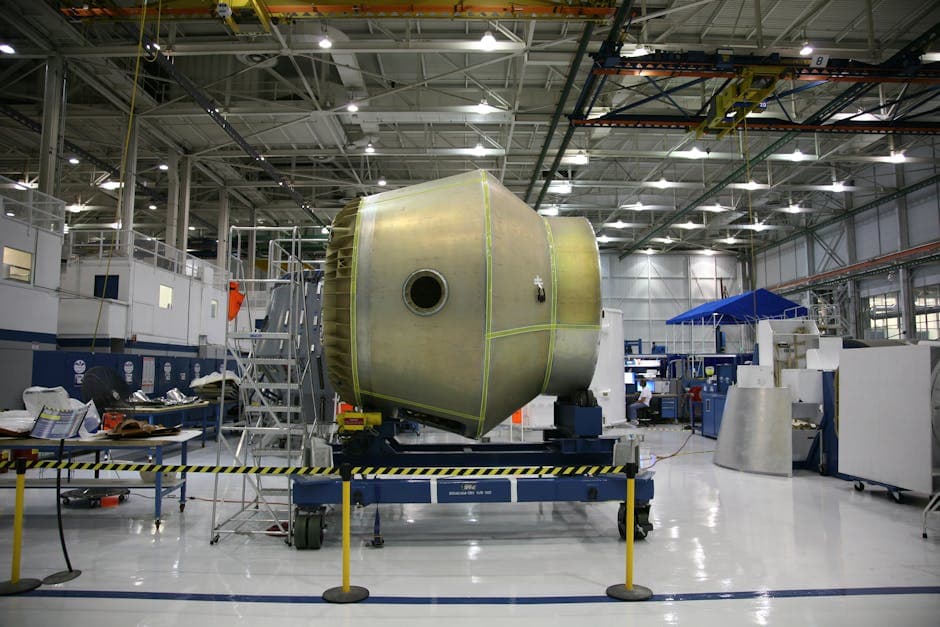
Composite Manufacturing Scheduling: Cure Time Constraints, Autoclave Capacity, and Layup Sequencing
Composite manufacturing scheduling software that handles autoclave cure cycles, prepreg shelf life, layup sequencing, and NDT inspection holds for aerospace and automotive suppliers.
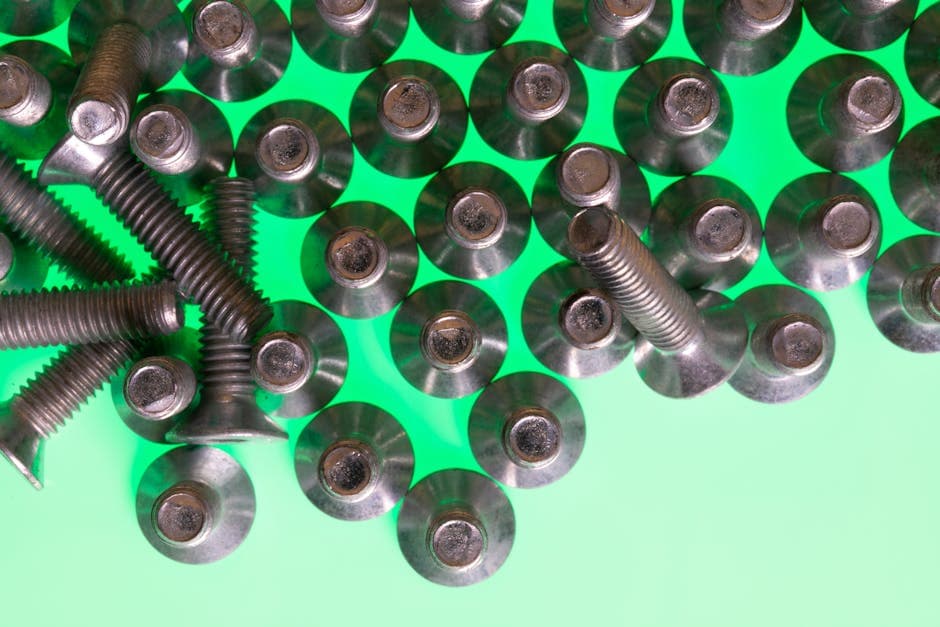
Fastener and Hardware Manufacturing Scheduling: High-Throughput, Die-Constrained Production
Fastener manufacturing scheduling software that manages heading die life, heat treat batch loads, plating line capacity, and kanban replenishment for screws, bolts, and rivets.
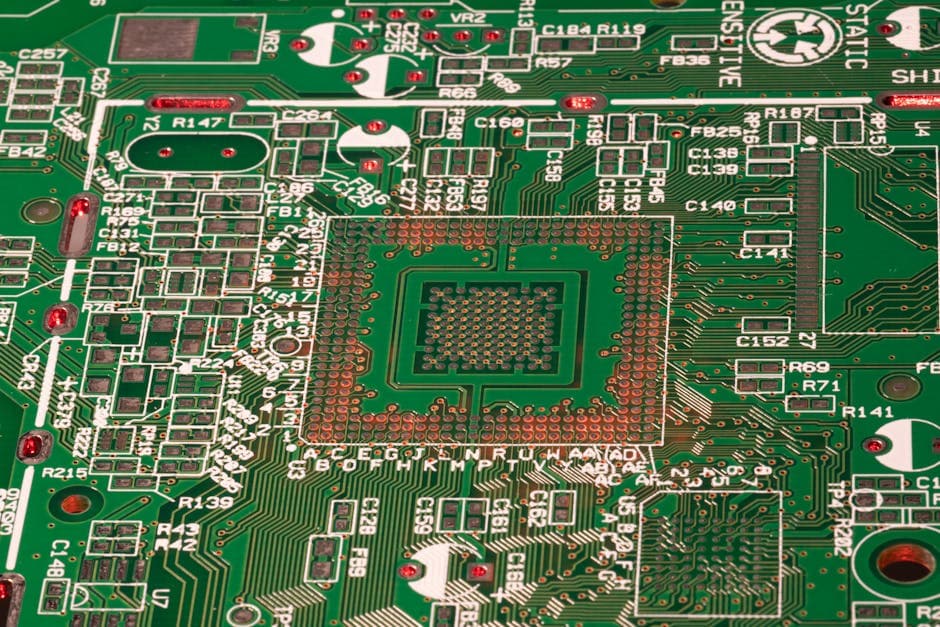
PCB Fabrication Scheduling: Managing Phototool Sequences, Plating Tanks, and Layer Constraints
PCB fabrication scheduling software that handles phototool sequencing, plating bath chemistry, drill allocation, and AOI queues. Built for electronics manufacturers.