
Kanban System in Manufacturing: How Pull-Based Production Works
 User Solutions Team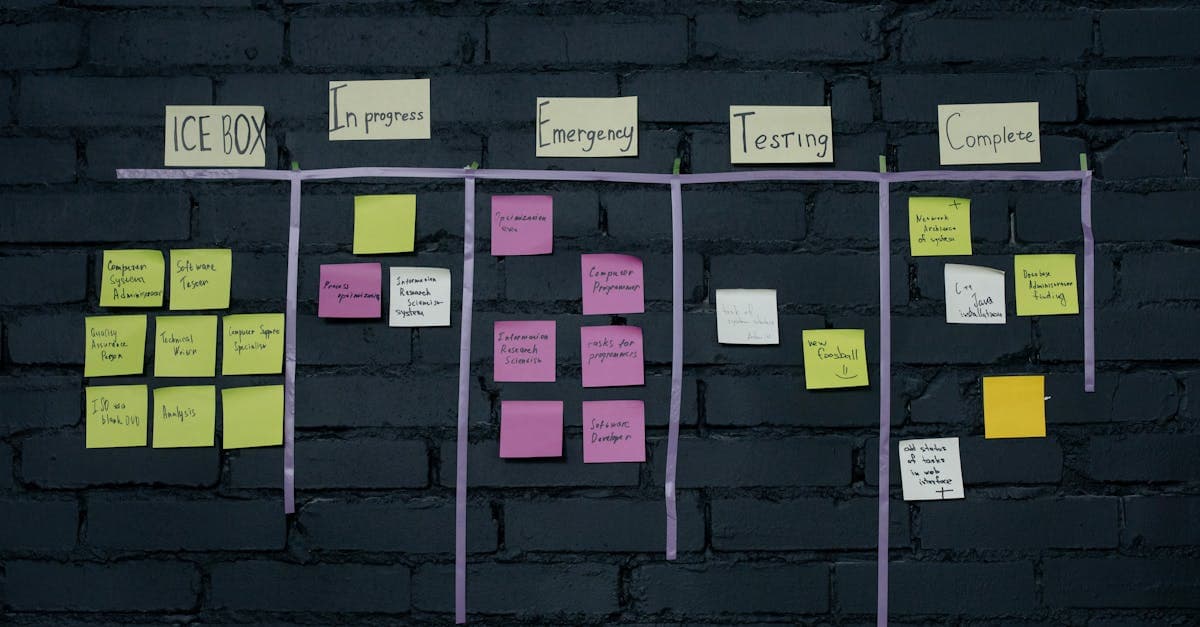
The Kanban system in manufacturing is one of the most powerful tools in the lean manufacturing toolkit for controlling production flow and eliminating overproduction. Developed by Taiichi Ohno at Toyota, Kanban uses simple visual signals - cards, bins, or electronic triggers - to create a pull-based production system where nothing is produced until a downstream customer consumes it. For manufacturers battling excess WIP inventory, long lead times, and the chaos of expediting, Kanban offers a disciplined alternative to the push-and-pray approach that plagues most factories. This guide covers how Kanban works, how to calculate card quantities, how to design your system, and how Kanban integrates with finite capacity scheduling for maximum impact.
How Kanban Creates Pull-Based Production
In a traditional push system - driven by MRP or a master schedule - work orders are released based on forecasts and planned start dates. The problem is that push systems do not account for what is actually happening on the floor. If a downstream machine breaks down or a quality issue stalls an operation, upstream processes keep pushing parts forward, creating mountains of WIP that clog the factory.
Kanban inverts this logic. Instead of pushing work based on a plan, Kanban pulls work based on actual consumption:
- A downstream process consumes parts from a small buffer (called a supermarket)
- The empty container or freed Kanban card signals the upstream process to produce a replacement quantity
- The upstream process produces only what was consumed - no more, no less
- The cycle repeats, maintaining a controlled, steady flow of materials
This is the same principle behind a grocery store shelf: the store does not order more cereal based on a forecast - it reorders when shelves empty. Kanban applies this common-sense logic to manufacturing.
Why Pull Beats Push
Pull production delivers measurable advantages over push systems:
- WIP reduction: Kanban physically limits the amount of inventory in the system. Each card represents a fixed quantity; no card, no production.
- Shorter lead times: Less WIP means shorter queues, which means parts move through the factory faster.
- Overproduction prevention: The number one waste in lean manufacturing - overproduction - is structurally impossible in a properly designed Kanban system.
- Problem visibility: When WIP is low, problems surface immediately. A machine breakdown that was invisible behind three weeks of buffer inventory becomes a crisis that gets fixed when the buffer is three hours.
Types of Kanban in Manufacturing
Production Kanban
A production Kanban authorizes a work center to produce a specified quantity of a specific part. The card stays with the container of parts until the container is consumed by the downstream process. When the container empties, the card is returned to the producing work center as a signal to make more.
Withdrawal Kanban
A withdrawal Kanban authorizes the movement of materials from a supermarket (controlled inventory point) to a consuming process. It controls the logistics of material handling without authorizing new production.
Signal Kanban (Triangle Kanban)
Used for batch processes where it is not practical to produce one container at a time - such as stamping presses, injection molding, or heat treat furnaces. A signal Kanban triggers production of a batch when inventory drops to a calculated reorder point.
Supplier Kanban
Extends the pull system to external suppliers. When internal consumption depletes a Kanban quantity of purchased material, the card triggers a purchase order or delivery signal to the supplier. This supports lean supply chain management by reducing raw material inventory.
How to Calculate Kanban Quantities
The fundamental Kanban formula determines how many cards (and therefore how much inventory) the system needs to function without stockouts:
Number of Kanbans = (D x L x S) / C
Where:
- D = Daily demand (parts per day)
- L = Lead time to replenish (days) - includes production time, queue time, and transport time
- S = Safety factor (typically 1.1 to 1.5, reflecting process reliability)
- C = Container size (parts per container)
Worked Example
A manufacturer produces machined housings with the following parameters:
- Daily demand: 80 housings
- Replenishment lead time: 1.5 days (includes machining, deburring, and transport)
- Safety factor: 1.25 (process is reasonably stable but has occasional quality issues)
- Container size: 20 housings per tote
Kanbans = (80 x 1.5 x 1.25) / 20 = 150 / 20 = 7.5 → 8 Kanban cards
This means the system holds a maximum of 8 x 20 = 160 housings in the supermarket at any time. This is the WIP cap - the system physically cannot accumulate more inventory than 160 units for this part.
Reducing Kanban Cards Over Time
The real power of Kanban is not the initial calculation - it is the discipline of reducing cards over time. Each time you remove a card, you lower the WIP cap and expose problems. If removing one card causes stockouts, you have found a constraint that needs improvement: perhaps setup time is too long (implement SMED), or quality yield is too low (implement poka-yoke), or a machine is unreliable (implement TPM).
This is why Kanban is called a system of continuous improvement, not just an inventory control method.
Designing Your Kanban Board
A physical Kanban board provides visual control over production flow. A basic manufacturing Kanban board has columns for each stage:
| To Do | In Process | Done / Supermarket |
|---|---|---|
| Kanban cards waiting for production | Cards attached to containers currently being produced | Full containers available for downstream consumption |
Rules for Operating the Kanban Board
Toyota established six rules for Kanban that remain essential:
- Downstream processes withdraw only what is needed - no speculative pulling
- Upstream processes produce only the quantity withdrawn - no overproduction
- Defective parts are never passed forward - quality at the source
- The number of Kanbans is minimized - continuously reduce to expose problems
- Kanban is used to adapt to small fluctuations in demand - it smooths normal variation
- Processes are stabilized and rationalized - Kanban assumes a baseline of stable processes
Kanban for Job Shops: The Hybrid Approach
Pure Kanban works beautifully for repetitive manufacturing - automotive parts, standard components, consumables. But what about job shops where every order is different?
The answer is a hybrid system:
Use Kanban for:
- Raw materials with stable consumption patterns (bar stock, sheet metal, fasteners, consumables)
- Standard components that appear across multiple customer orders
- Common subassemblies that can be produced to a supermarket and configured to order
Use finite capacity scheduling for:
- Custom, make-to-order work with unique routings
- Long-lead-time assemblies with complex dependencies
- Products with highly variable demand patterns
RMDB excels at scheduling the custom work while Kanban manages the repetitive flow. The two systems coexist: Kanban cards control material replenishment, while the finite capacity scheduler allocates machine and labor capacity to custom jobs. EDGEBI provides real-time visibility into both systems through integrated dashboards.
Real-world example: A precision machining job shop with 200 active part numbers found that 35 part numbers accounted for 70% of revenue. They put these 35 parts on Kanban with supermarkets at each work center, and scheduled the remaining 165 custom parts through RMDB. The result: WIP dropped 38%, lead times shortened by 4 days on average, and on-time delivery improved from 81% to 93%.
Implementing Kanban: Step by Step
Phase 1: Preparation (Week 1-2)
- Select a pilot area with stable demand and manageable complexity
- Map the current value stream using value stream mapping
- Ensure 5S is in place - Kanban will not work in a disorganized environment
- Collect demand data, lead times, and container sizes for the pilot parts
- Calculate Kanban quantities using the formula above
Phase 2: Physical Setup (Week 3)
- Create or procure Kanban cards with part number, quantity, source, and destination
- Establish supermarket locations - clearly marked, FIFO flow lanes
- Set up the Kanban board - visible, accessible, near the production area
- Train operators, material handlers, and supervisors on the six rules
Phase 3: Launch and Stabilize (Week 4-8)
- Start the pull system with the calculated number of cards
- Monitor daily: are there stockouts? Excessive inventory? Cards piling up?
- Resist the urge to add extra cards at the first sign of trouble - instead, investigate the root cause
- Adjust container sizes or safety factors if the initial calculation was off
Phase 4: Improve and Expand (Ongoing)
- Reduce Kanban cards incrementally to expose and solve problems
- Expand to additional product families and work centers
- Track lean manufacturing KPIs: WIP turns, lead time, on-time delivery
- Consider e-Kanban migration for multi-building or multi-plant environments
Kanban Metrics to Track
| Metric | Target | Why It Matters |
|---|---|---|
| Kanban card count | Decreasing over time | Indicates improving process capability |
| Supermarket turns | Increasing | Higher turns = less inventory for same output |
| Stockout frequency | < 2% of cycles | Too high means not enough cards or unreliable upstream |
| Lead time (dock-to-dock) | Decreasing | Confirms pull system is reducing queue time |
| WIP inventory value | Decreasing | Direct financial measure of Kanban effectiveness |
Frequently Asked Questions
A Kanban system is a pull-based production control method where downstream processes signal upstream processes to produce only what has been consumed. Physical or electronic cards (kanban) authorize production or material movement, preventing overproduction and controlling WIP inventory levels.
The standard formula is: Number of Kanbans = (Daily Demand x Lead Time x Safety Factor) / Container Size. For example, if daily demand is 100 parts, lead time is 2 days, safety factor is 1.2, and container size is 50 parts, you need (100 x 2 x 1.2) / 50 = 4.8, rounded up to 5 Kanban cards.
Traditional Kanban works best for repetitive items with stable demand. In job shops, a hybrid approach works better: use Kanban for common materials and consumables, while scheduling custom work orders through finite capacity scheduling software like RMDB. This gives you pull-based replenishment where possible and precise scheduling where variety is too high for pure Kanban.
Push production releases work based on forecasts and schedules regardless of downstream capacity - MRP is a push system. Pull production only authorizes work when a downstream process has consumed something and signals the need for replenishment. Pull systems inherently limit WIP and prevent overproduction.
The two main types are production Kanban (authorizing a process to produce a specific quantity) and withdrawal Kanban (authorizing movement of materials from a supermarket to a consuming process). Some systems also use signal Kanban for batch processes and supplier Kanban for external material replenishment.
Start Your Kanban Journey
Kanban transforms how materials flow through your factory - replacing the chaos of push-based overproduction with the discipline of pull-based consumption. Start with a pilot area, prove the concept, and expand. When you need to integrate pull-based replenishment with finite capacity scheduling for custom work, RMDB and EDGEBI provide the scheduling intelligence and real-time visibility to make your hybrid system work. Contact User Solutions to learn how manufacturers have combined Kanban discipline with intelligent scheduling to reduce WIP by 25-40% while improving on-time delivery.
Expert Q&A: Deep Dive
Q: How do you decide between Kanban and finite capacity scheduling?
A: Use Kanban for items with relatively stable, repetitive demand where the production process is well understood. Use finite capacity scheduling with RMDB for custom, make-to-order work, long-lead-time items, and products with highly variable demand. Most manufacturers need both: Kanban controls material flow and consumables while the scheduler manages capacity allocation for custom jobs. The two systems complement rather than compete with each other.
Q: What are the biggest mistakes manufacturers make when implementing Kanban?
A: Three mistakes kill most Kanban implementations. First, too many cards - managers add extra cards as safety stock, which defeats the purpose of limiting WIP. If the system feels uncomfortable, that discomfort is revealing problems you need to solve, not buffer against. Second, ignoring the rules - when production gets behind, supervisors override pull signals and push work through, destroying the discipline. Third, not recalculating - demand patterns change, and Kanban quantities need periodic review. A card quantity calculated for last year's demand may cause stockouts or excess inventory this year.
Q: How does electronic Kanban differ from physical card Kanban?
A: Electronic Kanban (e-Kanban) replaces physical cards with digital signals - barcode scans, RFID tags, or software triggers. The advantages are faster signal transmission (especially between buildings or plants), automatic data collection for analysis, and integration with ERP and scheduling systems. The disadvantage is losing the visual simplicity that makes physical Kanban powerful. We recommend starting with physical cards to learn the system, then migrating to e-Kanban once the pull discipline is established.
Frequently Asked Questions
Ready to Transform Your Production Scheduling?
User Solutions has been helping manufacturers optimize their production schedules for over 35 years. One-time license, 5-day implementation.

User Solutions Team
Manufacturing Software Experts
User Solutions has been developing production planning and scheduling software for manufacturers since 1991. Our team combines 35+ years of manufacturing software expertise with deep industry knowledge to help factories optimize their operations.
Share this article
Related Articles
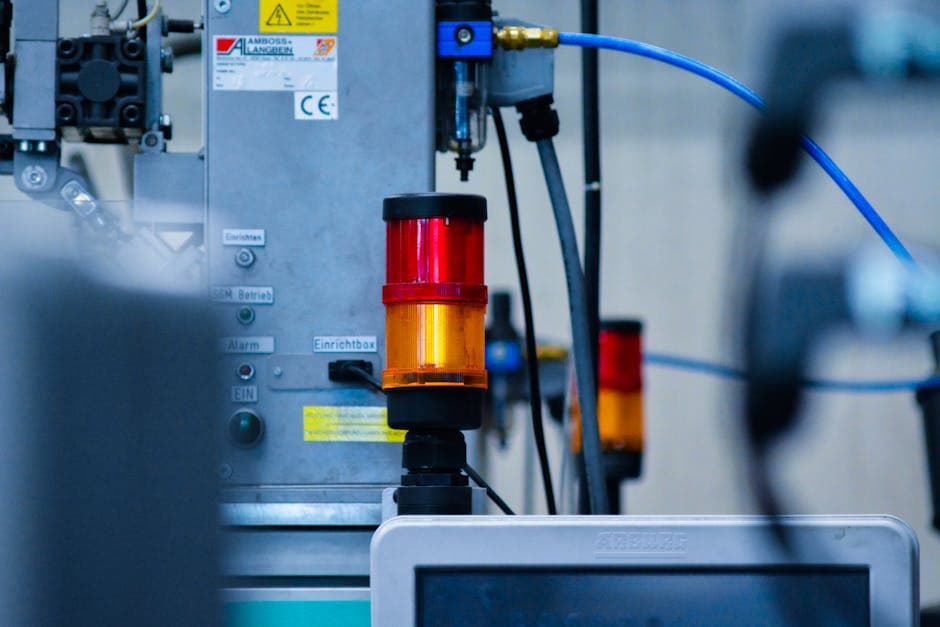
Andon-Triggered Rescheduling: How Real-Time Machine Alerts Should Change Your Production Schedule
Andon alerts signal a production problem - but most plants stop at the alert. Learn the complete andon-to-reschedule workflow that protects delivery commitments when things go wrong.
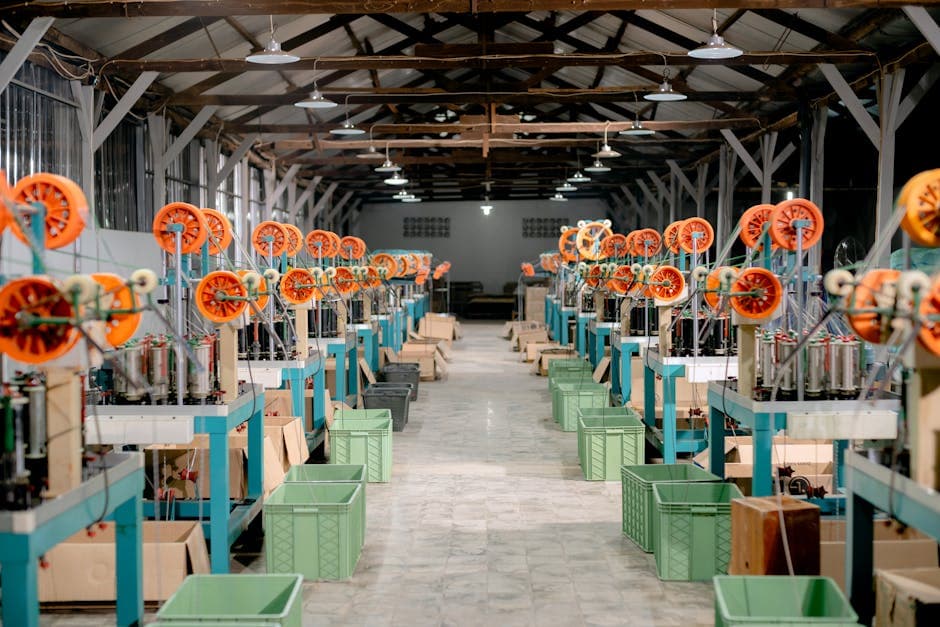
Cellular Manufacturing Scheduling: How Dedicated Cells Change Your Scheduling Approach
When you create manufacturing cells, the scheduling problem changes fundamentally. Learn how cell scheduling differs from functional layout and when to make a cell dedicated vs. shared.
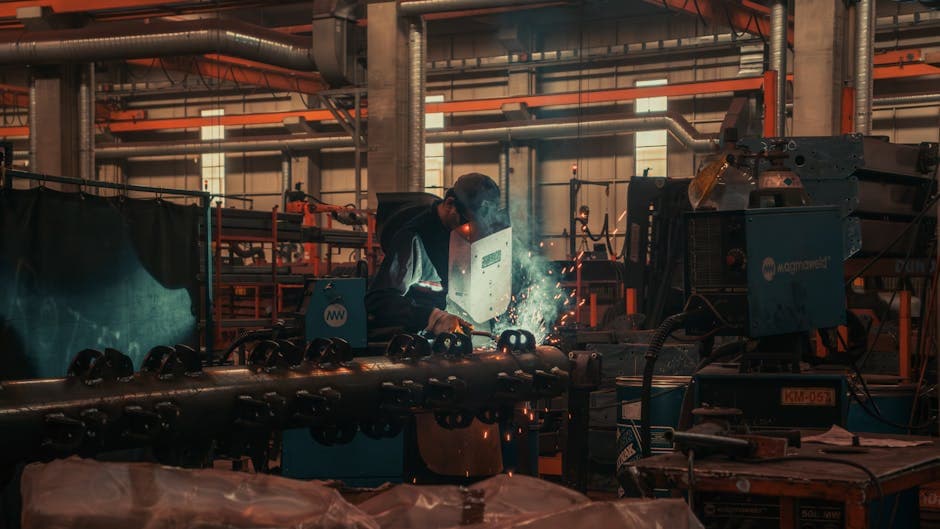
Can You Do Lean Manufacturing in a Job Shop? Yes - Here's How to Adapt It
Lean manufacturing works in job shops - with the right adaptations. Learn which principles transfer directly and which need modification for high-mix, low-volume production.