
Total Productive Maintenance (TPM): The Complete Manufacturing Guide
 User Solutions Team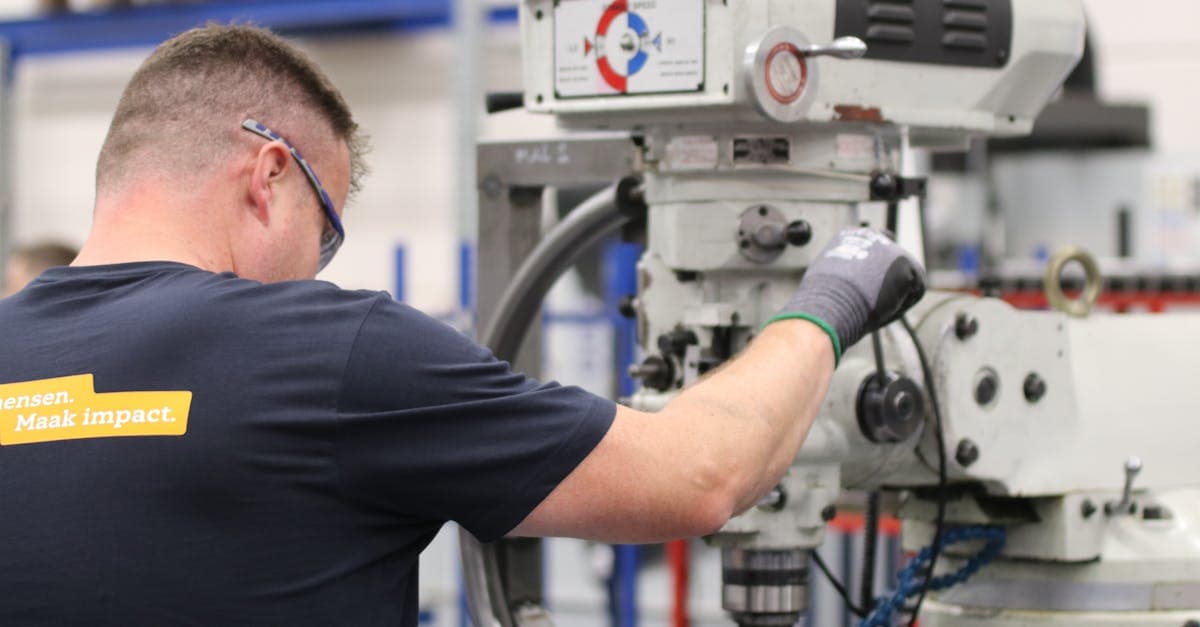
Total productive maintenance is the lean manufacturing discipline that transforms equipment from an unreliable source of disruption into a dependable foundation for production performance. In most factories, maintenance is reactive - fix the machine when it breaks, then scramble to recover the schedule. TPM inverts this approach by making equipment reliability a shared responsibility across the entire organization, with the goal of zero breakdowns, zero defects, and zero safety incidents. For manufacturers where unplanned downtime is destroying schedules, increasing overtime, and frustrating customers, TPM provides a structured path from firefighting to prevention. This guide covers the eight TPM pillars, autonomous maintenance implementation, and how TPM directly improves OEE and scheduling reliability.
Why Equipment Reliability Matters More Than You Think
Unplanned equipment downtime is the most disruptive event in a manufacturing operation. Unlike a material shortage (which can sometimes be worked around) or a quality issue (which affects one part), a machine breakdown halts all production on that resource - every job in the queue, every customer order depending on that machine.
The cascading impact:
- Immediate: Production stops on the broken machine
- Hours: Downstream operations starve for parts; upstream operations build WIP
- Days: Schedule disruptions spread to other resources as priorities are reshuffled
- Weeks: On-time delivery rates drop; customer confidence erodes
The numbers: A machine breakdown costing $200/hour in direct maintenance costs may cause $2,000/hour in total impact when you factor in lost production, overtime recovery, expedited shipping, and schedule disruption. A manufacturer with 10 critical machines averaging 2 breakdowns per week at 3 hours each loses 3,120 hours annually - equivalent to 1.5 full machines worth of capacity.
TPM eliminates this waste at its source.
The 8 Pillars of TPM
Pillar 1: Autonomous Maintenance
The foundational pillar. Autonomous maintenance transfers basic equipment care from maintenance technicians to operators. This is not about making operators into mechanics - it is about leveraging the fact that operators are physically present at their machines every shift and can detect early warning signs that a weekly maintenance visit would miss.
The 7 steps of autonomous maintenance:
- Initial cleaning: Deep clean the machine to its original condition. This is not housekeeping - it is inspection. Cleaning reveals leaks, cracks, loose bolts, and worn parts.
- Eliminate contamination sources: Fix the causes of dirt, leaks, and hard-to-access areas that make cleaning difficult.
- Create cleaning and inspection standards: Develop checklists specifying what to clean, what to inspect, and how often.
- General inspection training: Teach operators to inspect mechanical, hydraulic, pneumatic, and electrical systems at a basic level.
- Autonomous inspection: Operators perform routine inspections independently, documenting findings.
- Workplace organization: Apply 5S principles to the machine and its surroundings.
- Full autonomous management: Operators manage their equipment proactively, requesting maintenance support only for issues beyond their training.
Real-world example: A CNC machining department with 8 machines averaged 14 unplanned breakdowns per month. After implementing autonomous maintenance (Steps 1-5 over 4 months), breakdowns dropped to 4 per month - a 71% reduction. The improvements came from operators catching failing spindle bearings (vibration), coolant system deterioration (cloudy coolant, reduced flow), and hydraulic leaks (oil spots during cleaning) before they caused failures.
Pillar 2: Planned Maintenance
Shift maintenance from reactive (fix when broken) to planned (prevent before failure). Planned maintenance uses equipment history, manufacturer recommendations, and condition monitoring data to schedule maintenance activities optimally.
Key elements:
- Preventive maintenance (PM) schedules: Calendar or usage-based maintenance tasks (lubrication, filter changes, belt replacements) based on manufacturer specifications and failure history
- Predictive maintenance: Condition monitoring techniques (vibration analysis, oil analysis, thermography) that detect deterioration before failure
- Maintenance planning and scheduling: Every PM task has a plan (what to do, what parts to have on hand) and a schedule (coordinated with production to minimize impact)
Pillar 3: Quality Maintenance
Identify equipment conditions that cause defects and eliminate them. Quality maintenance connects equipment parameters to product quality, creating control limits that trigger maintenance action before defects occur.
Example: If bearing wear on a grinding spindle causes surface finish defects when vibration exceeds 2.5 mm/s, set a maintenance trigger at 2.0 mm/s - replacing the bearing before quality degrades.
Pillar 4: Focused Improvement (Kobetsu Kaizen)
Cross-functional teams target specific equipment losses identified through OEE analysis. This pillar applies Kaizen event methodology specifically to equipment performance problems - the Six Big Losses.
Pillar 5: Early Equipment Management
Apply lessons learned from existing equipment to the design and procurement of new equipment. When a machine has a chronic failure mode, ensure the replacement specification eliminates that design weakness. This pillar prevents importing problems into new equipment.
Pillar 6: Training and Education
Build the skills needed for TPM across the organization. Operators need equipment care skills; maintenance technicians need predictive maintenance skills; engineers need reliability engineering skills. Without investment in training, TPM remains a management initiative rather than an organizational capability.
Pillar 7: Safety, Health, and Environment
Eliminate workplace hazards and unsafe conditions. TPM's emphasis on clean, well-maintained equipment directly supports safety - leaking hydraulic lines, exposed wiring, and worn guards are identified and corrected through autonomous maintenance activities.
Pillar 8: TPM in Administration
Extend TPM principles to administrative processes - reducing waste in order processing, purchasing, scheduling, and information flow. While less visible than shop floor TPM, administrative improvements remove delays that starve production of information and materials.
TPM Implementation Roadmap
Phase 1: Foundation (Months 1-3)
- Implement 5S in the pilot area - TPM requires an organized, clean baseline
- Select 3-5 pilot machines (choose constraint resources for maximum impact)
- Measure baseline OEE on each pilot machine
- Train operators and supervisors on TPM concepts and autonomous maintenance
- Establish downtime tracking with cause codes
Phase 2: Autonomous Maintenance Launch (Months 3-6)
- Conduct initial cleaning events on pilot machines (Steps 1-2)
- Create cleaning and inspection standards (Step 3)
- Train operators on basic inspection skills (Step 4)
- Begin daily autonomous inspection routines
- Track and trend downtime reduction
Phase 3: Planned Maintenance Optimization (Months 6-9)
- Analyze breakdown history to identify recurring failure modes
- Develop PM schedules based on failure data and manufacturer recommendations
- Create maintenance kits (pre-packaged parts for common PM tasks)
- Coordinate PM scheduling with production scheduling through RMDB
- Begin condition monitoring on critical components
Phase 4: Focused Improvement (Months 9-12+)
- Conduct OEE-targeted Kaizen events on specific losses
- Apply SMED to reduce setup-related availability losses
- Implement poka-yoke to eliminate quality-related losses
- Expand TPM to additional machines and areas
- Track lean manufacturing KPIs to measure overall impact
TPM Metrics
| Metric | Baseline (Typical) | After TPM (12 months) |
|---|---|---|
| Unplanned downtime | 10-15% of scheduled time | 2-5% |
| Breakdowns per month | 10-20 per machine | 2-5 per machine |
| Mean Time Between Failures (MTBF) | 50-100 hours | 200-500 hours |
| Mean Time To Repair (MTTR) | 2-4 hours | 0.5-1.5 hours |
| OEE | 40-60% | 65-80% |
| Reactive vs. planned maintenance | 80/20 | 20/80 |
TPM and Production Scheduling
The connection between TPM and scheduling is direct and profound.
Before TPM: Unplanned breakdowns make the schedule unreliable. RMDB creates an optimized schedule, but a machine failure in the first hour invalidates it. Supervisors spend their day re-scheduling, expediting, and calling in overtime.
After TPM: Equipment runs predictably. Planned maintenance windows are scheduled in advance and RMDB accounts for them. Breakdowns become rare exceptions rather than daily events. The schedule holds, on-time delivery improves, and overtime decreases.
Maintenance window scheduling: RMDB can schedule planned maintenance into production gaps - between job changeovers, during low-demand periods, or at shift changes. This maximizes both production time and maintenance effectiveness. EDGEBI analytics show the correlation between TPM compliance and scheduling performance, reinforcing the behavior with data.
Frequently Asked Questions
Total productive maintenance (TPM) is a manufacturing strategy that makes equipment reliability everyone's responsibility - not just the maintenance department's. TPM aims for zero breakdowns, zero defects, and zero accidents through eight pillars of activity that involve operators, maintenance technicians, engineers, and management.
The 8 pillars are: Autonomous Maintenance, Planned Maintenance, Quality Maintenance, Focused Improvement, Early Equipment Management, Training and Education, Safety/Health/Environment, and TPM in Administration. Autonomous Maintenance and Planned Maintenance are the foundational pillars that most manufacturers implement first.
Autonomous maintenance transfers basic equipment care - cleaning, inspecting, lubricating, and tightening - from maintenance technicians to the operators who run the machines daily. Operators develop ownership of their equipment and catch early warning signs of failure during routine care activities.
TPM targets all three OEE components. Autonomous and planned maintenance reduce breakdowns (improving availability). Focused improvement and quality maintenance reduce speed losses and defects (improving performance and quality). Manufacturers implementing TPM typically see OEE improvements of 15-25 percentage points within the first year.
A pilot area can see initial results within 3-6 months. A full facility-wide TPM implementation typically takes 2-3 years to mature. The key milestones are: 5S foundation (month 1-2), autonomous maintenance launch (month 3-4), planned maintenance optimization (month 5-8), and focused improvement integration (month 9-12).
Build Equipment Reliability Into Your Operation
TPM transforms maintenance from a cost center into a competitive advantage. Reliable equipment means reliable schedules, which means reliable delivery to your customers. Start with a pilot area, implement autonomous maintenance, measure OEE, and let the data drive expansion. When your equipment reliability improves, RMDB translates that reliability into better schedules and EDGEBI shows the improvement in real time. Contact User Solutions to learn how manufacturers have used TPM combined with finite capacity scheduling to eliminate the chaos of unplanned downtime and achieve consistent on-time delivery.
Expert Q&A: Deep Dive
Q: How do you get operators to accept autonomous maintenance responsibilities?
A: Resistance is normal - operators see maintenance as 'not my job.' Three approaches work: First, start with cleaning-as-inspection rather than maintenance tasks. Operators clean their machines and report what they find - leaks, cracks, loose bolts. This is clearly related to their workspace, not extra maintenance duty. Second, show the data. When operators see that 60% of breakdowns start with conditions they could have caught during routine care, the logic becomes compelling. Third, provide training. Operators will not accept tasks they do not understand. Teach them why lubrication matters, what a worn belt looks like, and how to read a pressure gauge.
Q: What is the difference between TPM and traditional maintenance?
A: Traditional maintenance is reactive or calendar-based. Reactive: fix it when it breaks. Calendar-based: service it every X months regardless of condition. TPM is condition-based and everyone's responsibility. Operators monitor equipment daily and catch problems early. Maintenance technicians shift from firefighting breakdowns to planned, predictive activities. Engineers redesign equipment to eliminate failure modes. The result is a shift from 80% reactive/20% planned to 20% reactive/80% planned.
Q: How does TPM affect production scheduling?
A: Unreliable equipment is the number one destroyer of production schedules. Every unplanned breakdown creates a ripple of late jobs, expedites, and overtime. TPM reduces unplanned downtime by 50-80%, which means the schedule holds. RMDB can schedule with higher confidence when equipment reliability is predictable. Additionally, TPM converts unplanned downtime (which is unpredictable and disruptive) to planned maintenance windows (which the scheduler can account for in advance).
Frequently Asked Questions
Ready to Transform Your Production Scheduling?
User Solutions has been helping manufacturers optimize their production schedules for over 35 years. One-time license, 5-day implementation.

User Solutions Team
Manufacturing Software Experts
User Solutions has been developing production planning and scheduling software for manufacturers since 1991. Our team combines 35+ years of manufacturing software expertise with deep industry knowledge to help factories optimize their operations.
Share this article
Related Articles
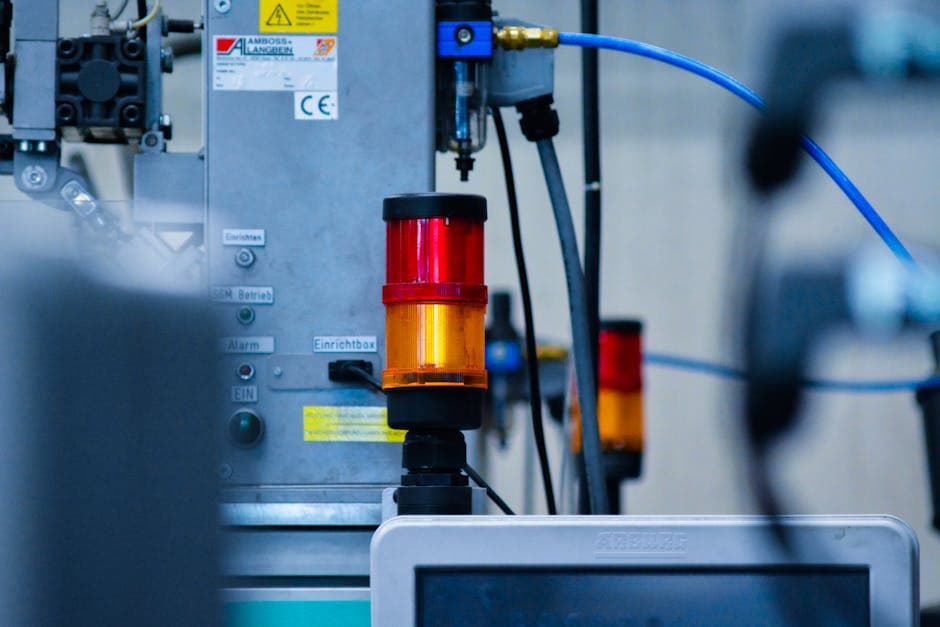
Andon-Triggered Rescheduling: How Real-Time Machine Alerts Should Change Your Production Schedule
Andon alerts signal a production problem - but most plants stop at the alert. Learn the complete andon-to-reschedule workflow that protects delivery commitments when things go wrong.
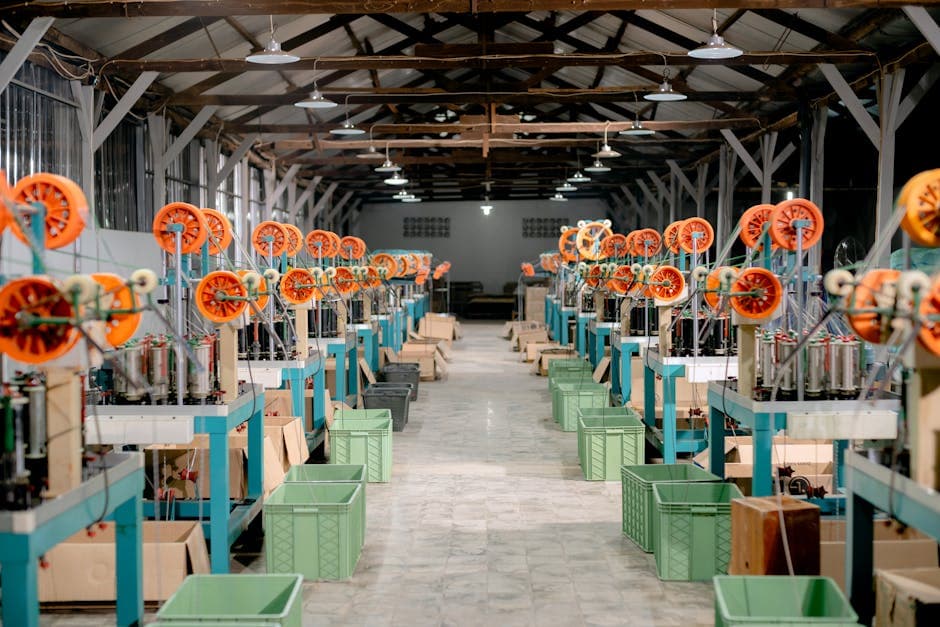
Cellular Manufacturing Scheduling: How Dedicated Cells Change Your Scheduling Approach
When you create manufacturing cells, the scheduling problem changes fundamentally. Learn how cell scheduling differs from functional layout and when to make a cell dedicated vs. shared.
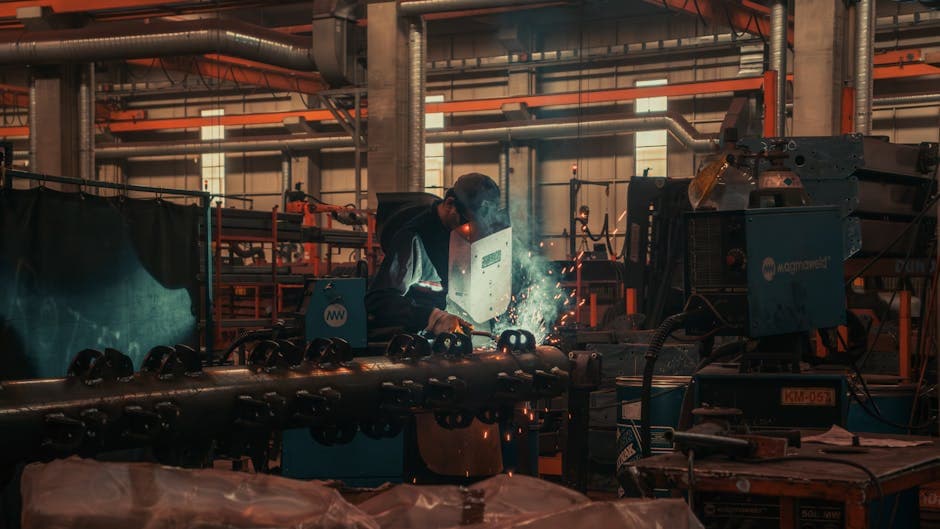
Can You Do Lean Manufacturing in a Job Shop? Yes - Here's How to Adapt It
Lean manufacturing works in job shops - with the right adaptations. Learn which principles transfer directly and which need modification for high-mix, low-volume production.