

Heavy equipment manufacturing presents production scheduling challenges that are distinct from any other manufacturing segment. Whether you build construction machinery, mining equipment, agricultural implements, or industrial compressors, you are managing a scheduling environment defined by massive bills of material, long-lead-time components, highly skilled labor requirements, and configured or engineer-to-order products that make every unit on the assembly floor slightly different.
This guide covers the scheduling strategies that heavy equipment manufacturers need to control lead times, synchronize complex assembly flows, and deliver on time. At User Solutions, we have supported heavy equipment manufacturers including Cummins Engine and Cook Compression with finite capacity scheduling solutions that handle the scale and complexity of large-assembly manufacturing.
What Makes Heavy Equipment Scheduling Different
Heavy equipment manufacturing sits at the intersection of several scheduling complexities that rarely converge in other industries:
Deep multi-level BOMs: A single piece of heavy equipment can contain 2,000 to 10,000 components organized across 8 to 12 BOM levels. Scheduling must track the manufacture and procurement of subassemblies at every level, ensuring components converge at the right assembly station at the right time.
Mixed production strategies: Heavy equipment manufacturers often combine make-to-stock for standard subassemblies, configure-to-order for standard models with customer options, and engineer-to-order for custom units - all flowing through the same facility. Each strategy requires different scheduling logic.
Long and variable cycle times: Unlike repetitive manufacturing where each station has a fixed cycle time, heavy equipment assembly stations may have cycle times ranging from 4 hours to several days depending on the unit configuration. This variability makes traditional line-balancing approaches insufficient.
Skilled labor dependencies: Welding, hydraulic assembly, electrical integration, and painting require certified or highly trained personnel who cannot be substituted. Labor scheduling is as critical as machine scheduling.
Scheduling by Production Stage
Fabrication and Machining
The fabrication stage - cutting, forming, welding, and machining structural components and housings - typically operates as a job shop within the heavy equipment facility. Components compete for shared resources including CNC machines, welding stations, plasma/laser cutters, and paint booths.
Scheduling fabrication requires:
- Priority-based dispatching that aligns component completion with downstream assembly needs
- Batch optimization for similar parts to minimize changeovers on CNC equipment
- Welding certification tracking to ensure the right certified welders are assigned to the right jobs
- Heat treatment and surface treatment scheduling, often with external vendors that add lead time variability
Finite capacity scheduling is essential at this stage because fabrication resources are shared across multiple assembly programs. Without visibility into true capacity, schedulers default to expediting - which disrupts every other job on the floor.
Subassembly
Heavy equipment manufacturers typically build subassemblies - hydraulic systems, powertrain modules, electrical harnesses, cab assemblies - before final assembly. These subassemblies have their own routings, quality requirements, and scheduling constraints.
The scheduling challenge at the subassembly level is synchronization. If the hydraulic system for Unit 47 is ready but the powertrain module is three days behind, the final assembly station sits idle. The scheduling system must coordinate multiple parallel subassembly lines to ensure all components for a given unit are ready simultaneously.
RMDB handles this through linked work orders with parent-child relationships. When a subassembly work order slips, the system automatically recalculates the impact on the parent assembly and all downstream dependencies.
Final Assembly
Final assembly in heavy equipment manufacturing typically uses station-based or bay-based layouts rather than moving assembly lines. Each unit occupies an assembly bay for a defined period, and teams of technicians perform sequential operations at the station.
Scheduling final assembly requires managing:
- Bay occupancy - each bay is a finite resource with defined start and end dates per unit
- Labor crew assignments - specific skill sets required at each assembly phase
- Material kitting - all components must be staged before assembly begins
- Test and inspection gates - quality holds between assembly phases
The variable cycle times per unit make final assembly scheduling particularly challenging. A standard configuration might take 5 days in a bay, while a heavily customized unit requires 8 days. The scheduling system must accommodate this variability while maintaining flow through limited bay capacity.
Testing, Painting, and Shipping
Post-assembly operations often become unscheduled bottlenecks because they seem simple compared to assembly. However, paint booths have limited capacity and environmental constraints, test stands require specialized operators, and shipping logistics must be coordinated with the customer and transport providers.
Including these operations in the finite capacity model prevents the common scenario where fully assembled equipment sits for days or weeks waiting for paint or testing - damaging on-time delivery metrics and consuming valuable floor space.
Managing Long-Lead-Time Components
Heavy equipment BOMs invariably include components with procurement lead times of 8 to 26 weeks - castings, forgings, hydraulic cylinders, diesel engines, and specialized bearings. Scheduling must integrate procurement planning with production scheduling to ensure these components arrive in time for assembly.
The most effective approach is time-phased material planning (MRP) integrated with finite capacity scheduling. The scheduling system determines when each assembly operation will start, and MRP calculates backward from those dates to determine when purchase orders must be placed.
Without this integration, manufacturers either order too early (tying up cash in inventory) or too late (causing assembly line starvation and schedule breaks).
Labor Scheduling for Heavy Equipment
Labor is frequently the hidden bottleneck in heavy equipment manufacturing. A facility may have adequate machine and bay capacity but insufficient skilled personnel to execute the schedule.
Critical labor scheduling considerations include:
- Certification tracking - welding certifications (AWS D1.1, ASME Section IX), electrical licenses, crane operator certifications
- Multi-skill matrices - scheduling operators based on their full skill set, not just their primary assignment
- Overtime and shift planning - modeling labor availability across shifts, including planned overtime windows
- Training and apprenticeship - scheduling reduced capacity for stations where apprentices are being trained
When we implemented scheduling for Cummins Engine, labor scheduling several months out proved to be the key to improving customer satisfaction. The visibility into future labor requirements allowed Cummins to plan overtime, cross-training, and temporary staffing well in advance rather than reacting to shortages.
Configured and Engineer-to-Order Scheduling
Many heavy equipment manufacturers offer hundreds or thousands of configuration options. A base model excavator might have 15 option categories with 3 to 8 choices each, creating enormous product variability.
Scheduling configured products requires:
- Modular routing structures - base routings with optional operation sets that activate based on configuration
- Option-dependent cycle times - assembly time varies based on which options are selected
- Configuration-specific material requirements - BOMs that expand based on the order specification
- Engineering release integration - for ETO products, the schedule must accommodate the engineering design timeline
The scheduling system should accept a configured order and automatically generate the correct routing, BOM, and capacity requirements without manual intervention. This is where production scheduling software delivers enormous value over spreadsheet-based approaches that cannot handle configuration logic.
Seasonal Demand and Production Leveling
Heavy equipment demand is often seasonal. Construction equipment orders peak in Q1 as contractors prepare for spring building season. Agricultural equipment orders concentrate before planting and harvest seasons. Mining equipment demand follows commodity price cycles.
Effective scheduling strategies for seasonal demand include:
- Build-ahead of common subassemblies during slow periods to create a buffer inventory
- Production leveling that smooths the assembly rate by starting long-lead units earlier
- Flexible labor strategies that use overtime and temporary skilled labor during peak periods
- Supplier collaboration to pre-position long-lead materials before the demand surge
What-if scenario analysis is essential for evaluating these strategies. Schedulers need to compare the cost of build-ahead inventory against the cost of overtime and expediting during peak periods.
KPIs for Heavy Equipment Scheduling
Track these metrics to measure and improve scheduling performance:
- Assembly bay utilization - target 80-90% (lower than typical machine utilization due to variable cycle times)
- On-time delivery - the primary customer-facing metric, target above 90%
- Schedule adherence - percentage of operations completed on or before the planned date
- Component shortage rate - number of assembly starts delayed due to missing parts
- Labor utilization by skill - identifies skill categories that constrain throughput
- Engineering change impact - schedule days lost to engineering changes per quarter
For a comprehensive look at manufacturing performance metrics, see our guide to manufacturing KPIs.
Frequently Asked Questions
Struggling with heavy equipment scheduling complexity? User Solutions has 35+ years of experience scheduling complex assembly operations for manufacturers like Cummins Engine and Cook Compression. Request a demo to see how RMDB handles multi-level BOM scheduling, labor constraints, and configured product variability.
📚 Continue learning: This article is part of our Manufacturing Scheduling by Industry: How Requirements Differ pillar guide - the comprehensive resource for industry-specific manufacturing scheduling.
Expert Q&A: Deep Dive
Q: What scheduling patterns do you see across heavy equipment manufacturers?
A: After working with companies like Cummins Engine and Cook Compression, we see a consistent pattern: heavy equipment manufacturers underestimate the impact of labor constraints on their schedule. They focus on machine capacity and station availability, but the real bottleneck is skilled labor - certified welders, hydraulic technicians, and electrical specialists. When we implement RMDB, we schedule labor as a primary constraint alongside equipment, and manufacturers typically see a 20 to 30 percent improvement in schedule adherence simply because they stop creating plans that assume unlimited skilled labor.
Q: How should heavy equipment manufacturers handle engineering changes in an active schedule?
A: Engineering changes are a fact of life in heavy equipment, especially for configured and engineer-to-order products. The key is having a scheduling system that can quickly assess the impact of an engineering change on the active schedule. With RMDB, when an engineering change modifies a routing or BOM, the scheduler can run a what-if scenario to see which work orders are affected, how delivery dates shift, and what material is impacted - all before releasing the change. This turns engineering changes from schedule disasters into manageable adjustments.
Frequently Asked Questions
Ready to Transform Your Production Scheduling?
User Solutions has been helping manufacturers optimize their production schedules for over 35 years. One-time license, 5-day implementation.

User Solutions Team
Manufacturing Software Experts
User Solutions has been developing production planning and scheduling software for manufacturers since 1991. Our team combines 35+ years of manufacturing software expertise with deep industry knowledge to help factories optimize their operations.
Share this article
Related Articles
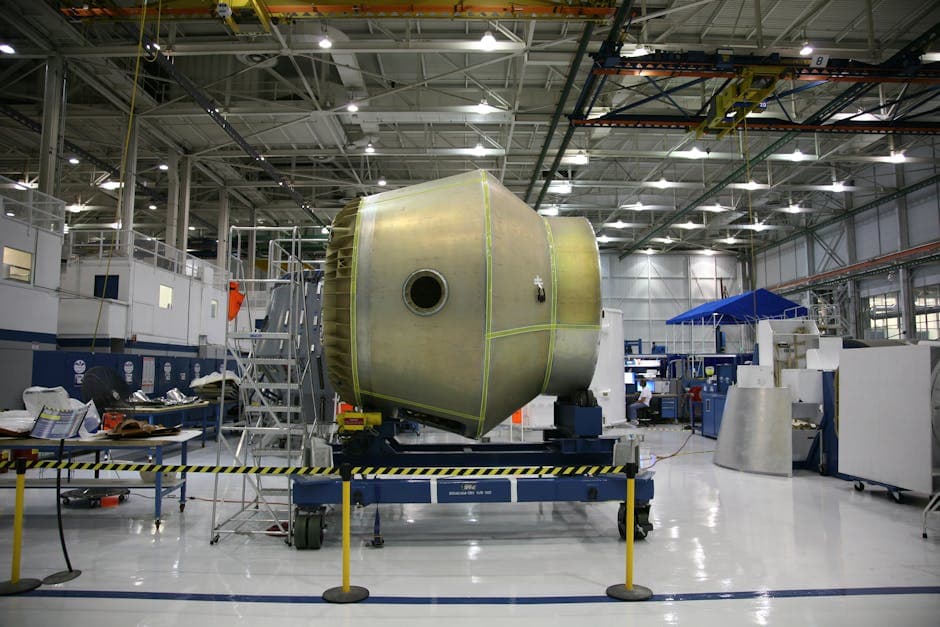
Composite Manufacturing Scheduling: Cure Time Constraints, Autoclave Capacity, and Layup Sequencing
Composite manufacturing scheduling software that handles autoclave cure cycles, prepreg shelf life, layup sequencing, and NDT inspection holds for aerospace and automotive suppliers.
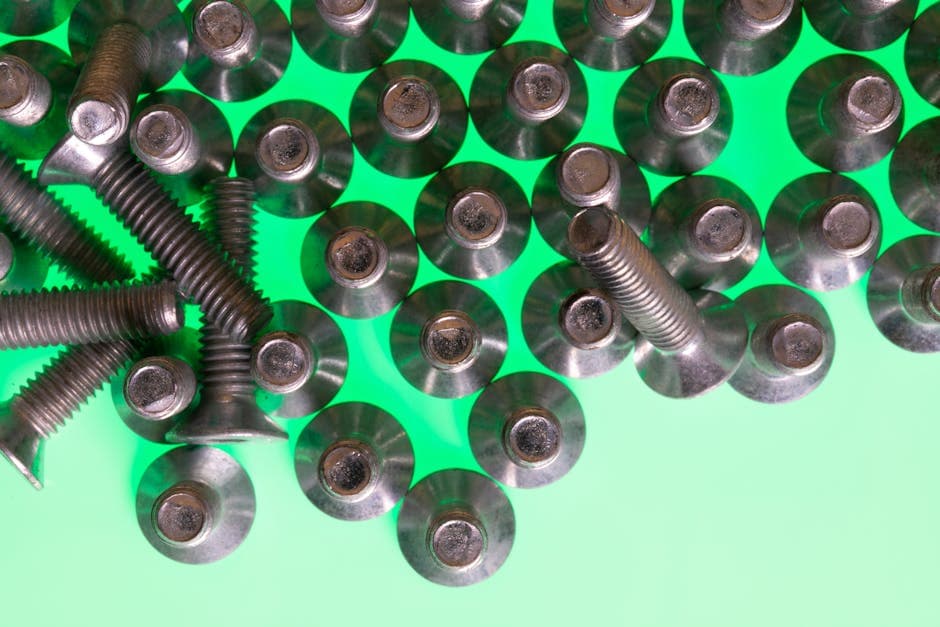
Fastener and Hardware Manufacturing Scheduling: High-Throughput, Die-Constrained Production
Fastener manufacturing scheduling software that manages heading die life, heat treat batch loads, plating line capacity, and kanban replenishment for screws, bolts, and rivets.
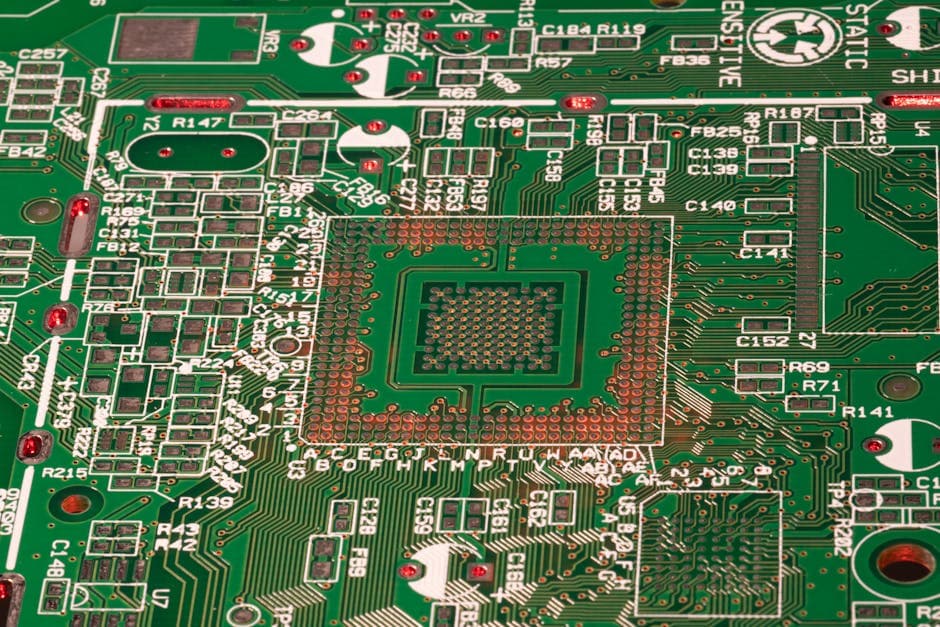
PCB Fabrication Scheduling: Managing Phototool Sequences, Plating Tanks, and Layer Constraints
PCB fabrication scheduling software that handles phototool sequencing, plating bath chemistry, drill allocation, and AOI queues. Built for electronics manufacturers.