
Gemba Walks: A Practical Guide for Production Managers
 User Solutions Team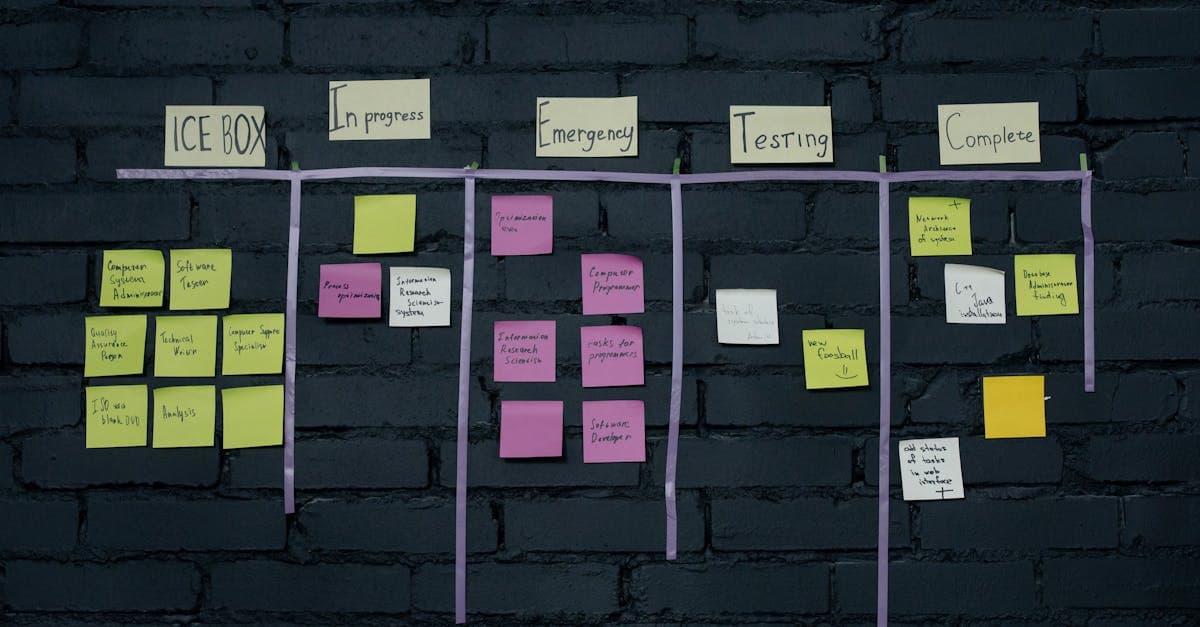
Gemba walks are one of the most powerful and most misunderstood practices in lean manufacturing. The concept is deceptively simple: go to the shop floor, observe the work, and ask questions. But done well, Gemba walks reveal problems that no dashboard or report will ever show you. Done poorly, they become a box-checking exercise that wastes everyone's time and erodes trust with the production team.
This guide covers how to plan, conduct, and follow up on Gemba walks that actually drive improvement. Whether you are a plant manager launching your first Gemba program or a production supervisor looking to sharpen your approach, these practical techniques work on any manufacturing shop floor.
What Makes a Gemba Walk Different
The word "gemba" is Japanese for "the real place" - the actual location where value is created. In manufacturing, that is the shop floor. Taiichi Ohno, the architect of the Toyota Production System, famously drew a circle on the factory floor and told engineers to stand in it for hours, simply observing.
The principle behind the Gemba walk is that you cannot understand manufacturing reality from a conference room. Reports are summaries. Dashboards are averages. The shop floor is where the truth lives - the actual material flow, the real operator experience, the genuine obstacles that prevent smooth production.
A Gemba walk is not:
- An audit looking for compliance violations
- A performance review in disguise
- A random wander through the factory
- A chance to give orders or solve problems on the spot
A Gemba walk is:
- A structured observation of a specific process or area
- An opportunity to listen to the people doing the work
- A method for identifying systemic issues that need attention
- A leadership practice that builds trust and accountability
Preparing for an Effective Gemba Walk
Preparation separates effective Gemba walks from aimless wandering.
Choose a Focus Theme
Every Gemba walk should have a focus. Trying to observe everything means you observe nothing. Common themes include:
- Flow: How does work move through this area? Where does it stop or wait?
- Safety: What hazards exist? Are safety procedures being followed? Are they practical?
- Quality: Where do defects originate? What catches defects before they reach the customer?
- Waste: Which of the seven wastes are visible in this area?
- 5S and workplace organization: Is the workspace organized for efficiency? Can operators find what they need? See our 5S implementation guide.
- Standard work: Does a standard work process exist? Is it being followed? Is it practical?
Rotate themes so that over the course of a month, you cover all major lean dimensions across the plant.
Plan Your Route and Timing
Walk a specific area or value stream, not the entire plant. A focused 20-30 minute walk through one cell or department is more valuable than a 90-minute tour that covers everything superficially.
Time your walk to observe the actual work. Walking the floor during a shift change or lunch break means seeing cleanup, not production. Walk during active production when you can observe operators running parts, handling materials, and dealing with the real challenges of the work.
Bring Minimal Tools
A notebook and a pen. That is it. Do not bring a clipboard with a 50-item checklist - it signals an audit. Do not bring a tablet to enter findings in real time - it creates a barrier between you and the people you are talking with. Take brief notes during the walk and document findings properly afterward.
Conducting the Walk: What to Observe
Watch Before You Ask
Spend the first 5-10 minutes simply watching. Observe the flow of materials. Watch how operators move between tasks. Notice where work piles up. Pay attention to what operators reach for, walk to, and wait on.
What you see in those first minutes, before anyone knows you are paying attention, is the unfiltered reality of the process.
The Art of Gemba Questions
The questions you ask determine the value of the walk. Gemba questions should be open-ended, process-focused, and genuinely curious.
Good Gemba questions:
- "Walk me through what happens when a new job arrives at this machine."
- "What is the hardest part of this operation today?"
- "If you could change one thing about this process, what would it be?"
- "Are you waiting for anything right now - materials, tooling, information, approval?"
- "How do you know if you are on schedule?"
- "What happens when you find a defect at this stage?"
Bad Gemba questions:
- "Why is this area messy?" (judgmental)
- "Who made this mistake?" (blame-seeking)
- "Did you read the work instruction?" (accusatory)
- "Why are you behind schedule?" (puts the operator on the defensive)
The best question of all is simply: "Tell me about the problem." Most operators have problems they have been waiting for someone to ask about. Give them the opening and then listen.
What to Look For
Beyond what operators tell you, train yourself to see specific indicators:
Flow indicators:
- Is WIP building up between stations? That indicates a bottleneck or pace mismatch.
- Are operators moving materials long distances? That suggests a layout problem.
- Is work moving in a logical sequence, or does it backtrack? Backflow creates confusion and delay.
Quality indicators:
- Are inspection points clear and practiced?
- Is rejected material segregated and labeled, or mixed with good parts?
- Do operators have the gauges, fixtures, and references they need at the point of use?
Schedule indicators:
- Can operators see the day's schedule? Visual scheduling boards reveal whether the plan is communicated clearly.
- Are jobs running in the planned sequence? Deviations often signal priority confusion or material shortages.
- Is the production schedule achievable given what you observe on the floor?
Waste indicators:
- Operators waiting (for machines, materials, instructions, approvals)
- Excessive motion (walking to get tools, searching for information, moving materials multiple times)
- Overproduction (parts sitting in inventory that were not ordered)
- Defects and rework stations that indicate quality problems upstream
After the Walk: The Follow-Up System
The follow-up is where most Gemba programs fail. Observations without action destroy credibility faster than not walking at all. If an operator shares a problem and nothing changes, they learn that Gemba walks are performance theater, not improvement practice.
Document Within the Hour
Immediately after the walk, document your key observations. Use a simple format:
| Observation | Category | Impact | Suggested Action | Owner |
|---|---|---|---|---|
| Operator waiting 10 min for forklift to deliver material to Cell 3 | Waste - Waiting | 40 min lost per shift | Stage next-job materials during current run | Cell Lead |
| Drill press vise slipping, operator re-tightening every 5th part | Quality risk | Potential scrap | Maintenance work order for vise replacement | Maintenance |
| Schedule board not updated since yesterday | Communication | Priority confusion | Assign daily schedule update responsibility | Supervisor |
The Action Board
Post findings on a visual action board visible to the shop floor - not in a shared drive that nobody checks. The board should show:
- What was observed
- Who owns the resolution
- Target completion date
- Current status (open, in progress, complete)
This transparency does two things: it shows operators that their input leads to action, and it creates accountability for follow-through.
Close the Loop
When an action item is completed, tell the operator who raised the issue. "Remember when you mentioned the forklift wait time? We staged a material cart at your cell - let me know if it helps." This simple act of closing the loop builds the trust that makes future Gemba walks productive.
Common Gemba Walk Mistakes
Mistake 1: Solving Problems During the Walk
The temptation to fix things on the spot is strong, especially for experienced managers. Resist it. Your job during the Gemba walk is to observe and understand, not to direct and solve. On-the-spot fixes bypass root cause analysis, undermine supervisor authority, and teach operators to wait for the boss to walk by instead of escalating through normal channels.
Mistake 2: Walking Only When There Is a Problem
If you only visit the floor when something goes wrong, operators associate your presence with bad news. Walk daily regardless of whether things are going well or poorly. Consistent presence builds the relationship that makes honest communication possible.
Mistake 3: Skipping the Walk When You Are Busy
The days when you feel too busy to walk the floor are exactly the days you need to. Production problems that are visible on the floor will become conference-room crises if left unobserved. Twenty minutes of prevention is better than two hours of firefighting.
Mistake 4: Ignoring What You Cannot See
The most important Gemba observations are often about what is not there: the missing visual management board, the absent standard work documentation, the safety guard that was removed for convenience, the kanban card that disappeared. Train yourself to notice absences, not just problems.
Connecting Gemba to Continuous Improvement
Gemba walks feed your continuous improvement engine. Observations from the floor become inputs to kaizen events, PDCA cycles, and process improvement projects. The most effective lean organizations use Gemba findings to prioritize their improvement backlog - tackling the issues that operators on the floor identify as the biggest barriers to productivity.
When Gemba walks are combined with production data from scheduling software, the picture becomes even clearer. RMDB's schedule adherence and production efficiency data can quantify the impact of floor-level observations, helping you prioritize which problems to solve first.
FAQ
A Gemba walk is the practice of going to the actual place where work happens - the shop floor - to observe processes, ask questions, and identify improvement opportunities. "Gemba" is Japanese for "the real place." The purpose is to understand reality rather than relying on reports, dashboards, or secondhand information.
Daily. A structured 20-30 minute Gemba walk every day is more effective than an occasional 2-hour tour. Daily walks build relationships with operators, catch problems early, and reinforce the message that leadership cares about what happens on the floor. Many lean leaders walk a different area each day to cover the entire plant weekly.
Focus on process, not people. Ask: What are you working on? What is supposed to happen next? Is anything making your job harder today? Are you waiting for anything - materials, tools, information? What would you change if you could? Avoid questions that sound like auditing or blame-finding.
Management by walking around (MBWA) is informal and unstructured - managers casually check in with employees. A Gemba walk is purposeful: you go with a specific theme or focus area, observe a defined process, ask structured questions, and follow up on findings. The rigor and follow-through distinguish Gemba walks from casual wandering.
Start Walking Your Shop Floor with Purpose
Gemba walks cost nothing but time and deliver insights no technology can replicate. Combine floor-level observations with data-driven scheduling from RMDB, and you have the complete picture needed to drive continuous improvement. Contact User Solutions to learn how scheduling visibility supports your lean journey.
Expert Q&A: Deep Dive
Q: How do you get resistant supervisors to embrace Gemba walks?
A: Supervisors resist Gemba walks for two reasons: they see it as management checking up on them, or they do not want their problems exposed. Address both directly. First, make clear that Gemba walks are about observing processes, not evaluating people. Walk with the supervisor, not around them. Second, when a problem is identified, frame it as a systemic issue to solve together, not a failure to blame. The turning point usually comes when a supervisor sees that a problem they reported during a Gemba walk gets fixed quickly. Once they experience Gemba as a mechanism to get help rather than get criticized, resistance fades.
Q: How do you connect Gemba walk findings to actual improvements?
A: The follow-up system is everything. Without it, Gemba walks become theater. We recommend a simple three-part system: a visual action board near the shop floor where findings are posted, an owner assigned to each finding within 24 hours, and a weekly review of open items. Keep the cycle fast - if an operator points out a problem on Tuesday and sees it fixed by Thursday, they will tell you ten more problems next week. If nothing changes after three Gemba walks, operators stop sharing and the practice dies. Scheduling software like RMDB can help by quantifying the impact of floor-level issues on delivery and throughput, which helps prioritize which findings to act on first.
Frequently Asked Questions
Ready to Transform Your Production Scheduling?
User Solutions has been helping manufacturers optimize their production schedules for over 35 years. One-time license, 5-day implementation.

User Solutions Team
Manufacturing Software Experts
User Solutions has been developing production planning and scheduling software for manufacturers since 1991. Our team combines 35+ years of manufacturing software expertise with deep industry knowledge to help factories optimize their operations.
Share this article
Related Articles
Andon-Triggered Rescheduling: How Real-Time Machine Alerts Should Change Your Production Schedule
Andon alerts signal a production problem - but most plants stop at the alert. Learn the complete andon-to-reschedule workflow that protects delivery commitments when things go wrong.
Cellular Manufacturing Scheduling: How Dedicated Cells Change Your Scheduling Approach
When you create manufacturing cells, the scheduling problem changes fundamentally. Learn how cell scheduling differs from functional layout and when to make a cell dedicated vs. shared.
Can You Do Lean Manufacturing in a Job Shop? Yes - Here's How to Adapt It
Lean manufacturing works in job shops - with the right adaptations. Learn which principles transfer directly and which need modification for high-mix, low-volume production.