

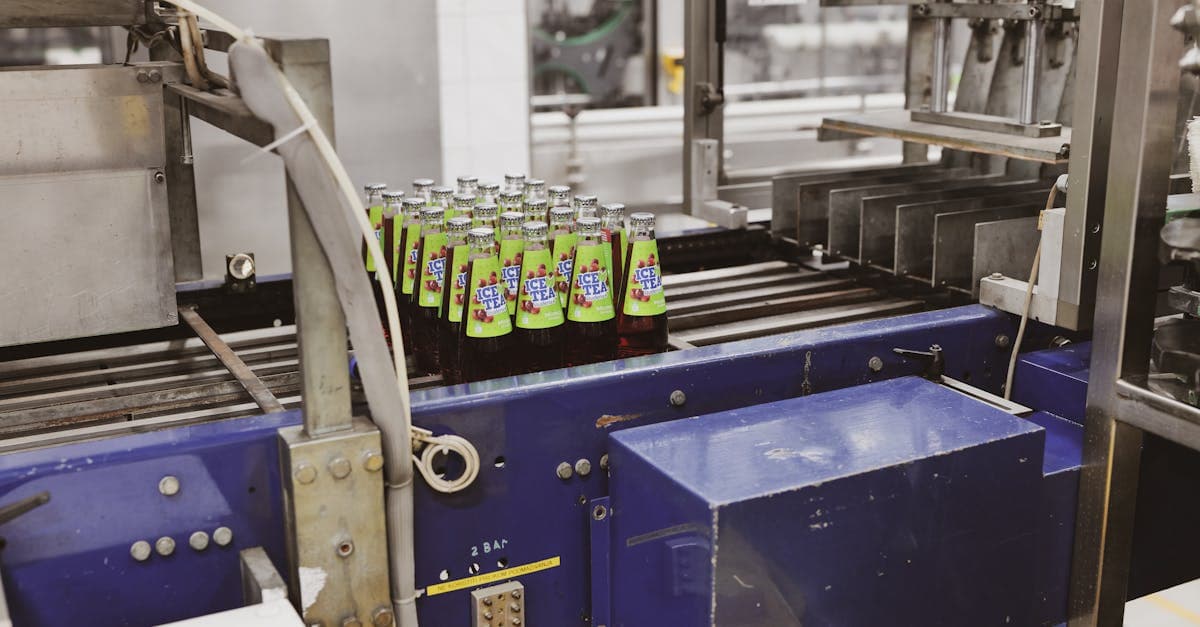
Food and beverage production scheduling operates under constraints that most manufacturing sectors never encounter. Perishable ingredients with limited shelf windows, allergen cross-contamination risks that demand specific production sequencing, batch genealogy for recall readiness, and FSMA compliance requirements all create a scheduling environment where mistakes carry serious consequences - from product waste and recalls to consumer safety incidents.
This guide covers the scheduling challenges specific to food and beverage manufacturing and the strategies that optimize production while maintaining food safety and regulatory compliance. At User Solutions, we have helped manufacturers across industries build scheduling systems that handle complex, multi-constraint environments for over 35 years. The principles of finite capacity scheduling apply powerfully to food and beverage operations.
What Makes Food and Beverage Scheduling Different
Food and beverage manufacturing combines elements of batch processing, continuous flow, and discrete packaging in a single production environment. A dairy plant, for example, might receive raw milk continuously, process it in batches, and package it on high-speed discrete filling lines - all within hours to preserve freshness. Understanding these characteristics shapes every scheduling decision.
Perishability as a Scheduling Constraint
Unlike metal, plastic, or electronic components that can sit in inventory for weeks or months, food ingredients and finished products have finite shelf lives. Raw milk might need to be processed within 48 hours of receipt. Fresh-baked goods may have a 5-day shelf life from production to consumer. Frozen products offer more flexibility but still require that production-to-freezing time stays within validated parameters.
Your scheduling system must model these time-based constraints explicitly. A work order for a perishable product is not just about machine capacity and labor availability - it also depends on ingredient freshness windows, maximum hold times between processing steps, and required shipping dates that ensure product reaches retail with adequate remaining shelf life.
Allergen Management and Production Sequencing
For food manufacturers producing both allergen-free and allergen-containing products on shared equipment, production sequencing is a safety-critical scheduling decision. The order in which products run determines cross-contamination risk and required cleaning intensity.
Best practice is to schedule allergen-free products before allergen-containing products within each production run, and to sequence allergens from least to most severe. Between allergen transitions, validated cleaning procedures must be completed - and these cleaning times vary depending on the specific allergen transition. A scheduling system that does not model these sequence-dependent constraints forces planners to manage allergen safety manually, creating risk.
Batch Processing and Co-Product Outputs
Many food and beverage processes produce multiple outputs from a single batch. Cheese manufacturing produces curds and whey. Juice processing produces juice, pulp, and peel. Oil refining produces oil, meal, and hulls. Each co-product may require different downstream processing, packaging, and shipping timelines.
Your scheduling system needs to model these co-product relationships so that downstream operations for all outputs are scheduled appropriately. If the whey from a cheese batch needs to be processed within 4 hours, the schedule must ensure whey processing capacity is available when the cheese batch completes.
Core Scheduling Challenges in Food Manufacturing
Seasonal Demand Variability
Food and beverage demand is inherently seasonal. Ice cream production peaks in summer. Canned goods surge before holidays. Beverage production fluctuates with weather patterns. These demand swings can range from 200% to 400% of baseline, requiring massive capacity adjustments.
Scheduling for seasonal peaks involves coordinating temporary labor, extended shifts, outsourced co-packing, and sometimes rental equipment - all while maintaining food safety and quality standards. Your scheduling system must model these variable capacity levels and help planners decide when to build seasonal inventory versus when to expand capacity.
Clean-In-Place (CIP) Scheduling
Food manufacturing equipment requires regular cleaning - CIP cycles, sanitization procedures, and allergen cleanouts. These cleaning operations consume productive capacity and must be scheduled alongside production runs. The frequency and duration of cleaning depends on what was produced, how long the equipment ran, and what will run next.
A common scheduling mistake is treating cleaning as "overhead" and not modeling it in the production schedule. This leads to optimistic capacity calculations that do not reflect reality. Effective food scheduling includes CIP and cleaning operations as explicit scheduled activities with defined durations and resource requirements.
Regulatory Compliance and Traceability
FSMA (Food Safety Modernization Act) and FDA regulations require food manufacturers to maintain detailed production records, implement preventive controls, and demonstrate traceability throughout the production process. Your scheduling system contributes to compliance by documenting what was produced, when, on which equipment, and with which ingredients.
When a recall event occurs, you need to trace from a specific ingredient lot to every finished product that contained it - and you need to do this in hours, not days. The scheduling system's batch records are a critical component of this traceability capability. For more on compliance-aware scheduling, see our manufacturing compliance scheduling guide.
Short Shelf Life and Distribution Timing
Products with short shelf lives must be scheduled to align with distribution and retail delivery windows. If a product has a 14-day shelf life and your major retailer requires 10 days of remaining shelf life at delivery, you have a 4-day window from production to the retailer's receiving dock. This creates a hard constraint on production timing that flows backward through the schedule.
Scheduling must account for production time, quality hold and release time, warehousing, and transportation to ensure product arrives at its destination with adequate remaining shelf life. Over-producing or producing too early creates waste; under-producing or producing too late creates stockouts.
How Scheduling Software Addresses Food Industry Challenges
Sequence-Dependent Changeover Modeling
RMDB by User Solutions models sequence-dependent changeover times that reflect the reality of food manufacturing. The system knows that switching from vanilla to chocolate requires 15 minutes, but switching from a nut-free product to a nut-containing product requires a 60-minute validated allergen cleanout. This constraint modeling ensures that the production sequence is both efficient and safe.
Batch Scheduling with Time Constraints
The scheduling engine handles time-based constraints that are unique to food manufacturing - maximum hold times between processing steps, ingredient freshness windows, and production-to-ship timing requirements. Work orders are scheduled to respect these time constraints alongside capacity constraints, producing plans that are both feasible and food-safe.
Visual Production Planning with EDGEBIC
The Gantt views in EDGEBIC, the current generation of RMDB, provide visibility across all production lines, cleaning operations, and packaging lines. Planners can see the entire production day at a glance, identify conflicts between production and cleaning schedules, and adjust the plan through drag-and-drop. This visual capability is especially valuable during seasonal peaks when schedule complexity increases dramatically.
ERP and MES Integration
RMDB integrates with ERP systems common in food manufacturing to import production orders, recipes, and material availability data. This integration ensures your scheduling decisions are based on current inventory positions and customer orders. The system works alongside your existing ERP as a specialized scheduling layer.
Best Practices for Food Production Scheduling
Model Cleaning Operations Explicitly
Include CIP cycles, allergen cleanouts, and sanitization procedures in your production schedule as formal operations with defined durations and resource requirements. This ensures capacity calculations reflect actual available production time and prevents the over-scheduling that occurs when cleaning is treated as invisible overhead.
Implement Forward and Backward Traceability
Configure your scheduling system to maintain batch genealogy that links ingredients to finished products and vice versa. In a recall scenario, this traceability is the difference between a targeted, swift response and a costly broad recall. This also supports your quality control processes.
Schedule to Customer Delivery Windows
Work backward from customer delivery requirements, accounting for transportation time, quality hold-and-release time, and production time, to determine when each order must enter production. This backward scheduling approach ensures product arrives with adequate remaining shelf life.
Optimize Changeover Sequences
Use scheduling software to find production sequences that minimize total changeover and cleaning time while respecting allergen sequencing rules and delivery dates. Even modest changeover optimization - reducing total daily changeover time by 20-30 minutes - compounds into significant annual capacity recovery.
Track Scheduling KPIs
Monitor manufacturing KPIs specific to food production: schedule adherence, changeover time as a percentage of available time, production-to-ship time, and waste percentages attributable to scheduling decisions. These metrics provide the feedback needed for continuous scheduling improvement.
Expert Q&A: Deep Dive
Q: How do you approach scheduling for a food manufacturer with both allergen-free and allergen-containing products on shared equipment?
A: Allergen management is one of the most critical scheduling decisions in food manufacturing because the consequences of cross-contamination range from product recalls to consumer health risks. The scheduling approach must treat allergen status as a hard constraint, not an afterthought.
We configure scheduling to sequence production runs from clean to progressively more allergenic. A typical sequence might run dairy-free products first, then dairy-containing products, then products with tree nuts, followed by peanut-containing products. Between allergen transitions, the schedule must include validated cleaning time - and this cleaning time varies depending on which allergens are involved.
RMDB models these sequence-dependent changeover times as a matrix. The system knows that transitioning from dairy to tree nuts requires a 45-minute validated clean, while transitioning from dairy-free to dairy requires only a 20-minute rinse. This constraint modeling ensures every production sequence is safe by design.
Q: What scheduling strategies help food manufacturers manage the tension between freshness and efficiency?
A: This is the fundamental scheduling tension in food manufacturing. Efficiency says batch as much as possible - long production runs minimize changeovers and maximize throughput. Freshness says produce only what you can sell quickly - shorter runs ensure product reaches consumers at peak quality.
The balance point depends on your product shelf life, distribution model, and customer expectations. For products with 7-14 day shelf life, we typically recommend scheduling production 2-3 times per week per SKU rather than once in a large batch. RMDB enables this by making changeovers visible and optimizable.
Q: How should food manufacturers handle recall readiness in their scheduling system?
A: Recall readiness starts at scheduling, not at quality. Your scheduling system is the backbone of batch genealogy - it records what was produced, when, on which equipment, with which ingredients, and in what sequence. When a recall event occurs, you need to trace from a specific ingredient lot forward to every finished product batch that contained it, and from a finished product batch backward to every ingredient lot that went into it.
This forward and backward traceability must be available in minutes, not days. RMDB maintains production batch records that link scheduled operations to material lots, equipment, and time windows.
Frequently Asked Questions
Improve Your Food Production Scheduling
User Solutions has helped manufacturers optimize complex, multi-constraint scheduling for over 35 years. Our RMDB platform delivers finite capacity scheduling with sequence-dependent changeover modeling, batch constraint management, and ERP integration - implemented in as few as 5 days with a one-time license fee.
Schedule a Free Demo | See EDGEBIC (RMDB 2.0) | View Pricing
📚 Continue learning: This article is part of our Manufacturing Scheduling by Industry: How Requirements Differ pillar guide - the comprehensive resource for industry-specific manufacturing scheduling.
Expert Q&A: Deep Dive
Q: How do you approach scheduling for a food manufacturer with both allergen-free and allergen-containing products on shared equipment?
A: Allergen management is one of the most critical scheduling decisions in food manufacturing because the consequences of cross-contamination range from product recalls to consumer health risks. The scheduling approach must treat allergen status as a hard constraint, not an afterthought. We configure scheduling to sequence production runs from clean to progressively more allergenic. A typical sequence might run dairy-free products first, then dairy-containing products, then products with tree nuts, followed by peanut-containing products. Between allergen transitions, the schedule must include validated cleaning time - and this cleaning time varies depending on which allergens are involved. RMDB models these sequence-dependent changeover times as a matrix. The system knows that transitioning from dairy to tree nuts requires a 45-minute validated clean, while transitioning from dairy-free to dairy requires only a 20-minute rinse. This constraint modeling ensures every production sequence is safe by design, not by manual verification.
Q: What scheduling strategies help food manufacturers manage the tension between freshness and efficiency?
A: This is the fundamental scheduling tension in food manufacturing. Efficiency says batch as much as possible - long production runs minimize changeovers and maximize throughput. Freshness says produce only what you can sell quickly - shorter runs ensure product reaches consumers at peak quality. The balance point depends on your product shelf life, distribution model, and customer expectations. For products with 7-14 day shelf life, we typically recommend scheduling production 2-3 times per week per SKU rather than once in a large batch. RMDB enables this by making changeovers visible and optimizable. When you can see that a product-to-product changeover takes 25 minutes and you recover that time through reduced waste and better freshness, the frequency becomes a positive business decision rather than a scheduling burden.
Q: How should food manufacturers handle recall readiness in their scheduling system?
A: Recall readiness starts at scheduling, not at quality. Your scheduling system is the backbone of batch genealogy - it records what was produced, when, on which equipment, with which ingredients, and in what sequence. When a recall event occurs, you need to trace from a specific ingredient lot forward to every finished product batch that contained it, and from a finished product batch backward to every ingredient lot that went into it. This forward and backward traceability must be available in minutes, not days. RMDB maintains production batch records that link scheduled operations to material lots, equipment, and time windows. In a recall scenario, you can identify every affected batch and its distribution within the time frames that FDA and FSMA require.
Frequently Asked Questions
Ready to Transform Your Production Scheduling?
User Solutions has been helping manufacturers optimize their production schedules for over 35 years. One-time license, 5-day implementation.

User Solutions Team
Manufacturing Software Experts
User Solutions has been developing production planning and scheduling software for manufacturers since 1991. Our team combines 35+ years of manufacturing software expertise with deep industry knowledge to help factories optimize their operations.
Share this article
Related Articles
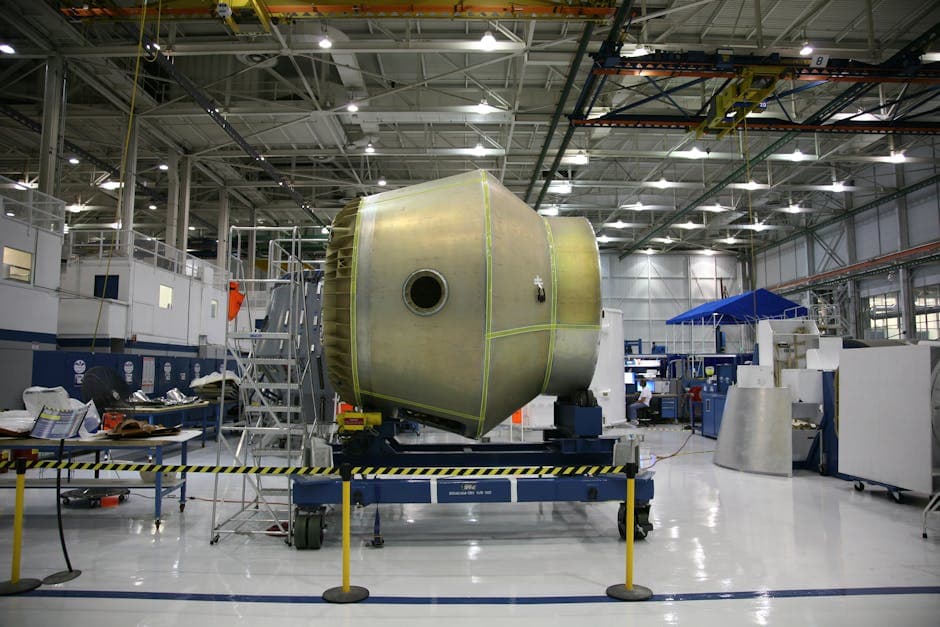
Composite Manufacturing Scheduling: Cure Time Constraints, Autoclave Capacity, and Layup Sequencing
Composite manufacturing scheduling software that handles autoclave cure cycles, prepreg shelf life, layup sequencing, and NDT inspection holds for aerospace and automotive suppliers.

Fastener and Hardware Manufacturing Scheduling: High-Throughput, Die-Constrained Production
Fastener manufacturing scheduling software that manages heading die life, heat treat batch loads, plating line capacity, and kanban replenishment for screws, bolts, and rivets.
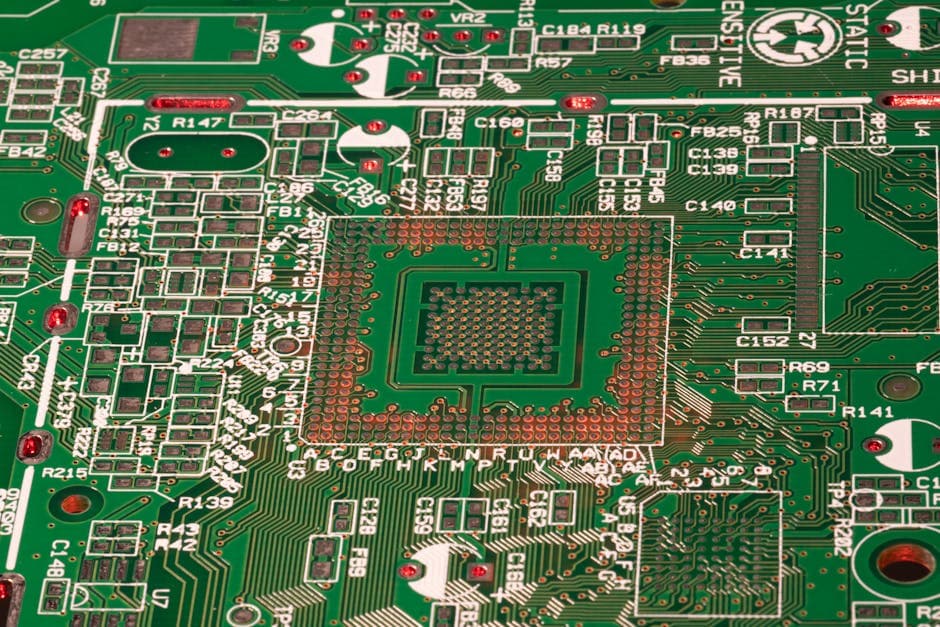
PCB Fabrication Scheduling: Managing Phototool Sequences, Plating Tanks, and Layer Constraints
PCB fabrication scheduling software that handles phototool sequencing, plating bath chemistry, drill allocation, and AOI queues. Built for electronics manufacturers.