

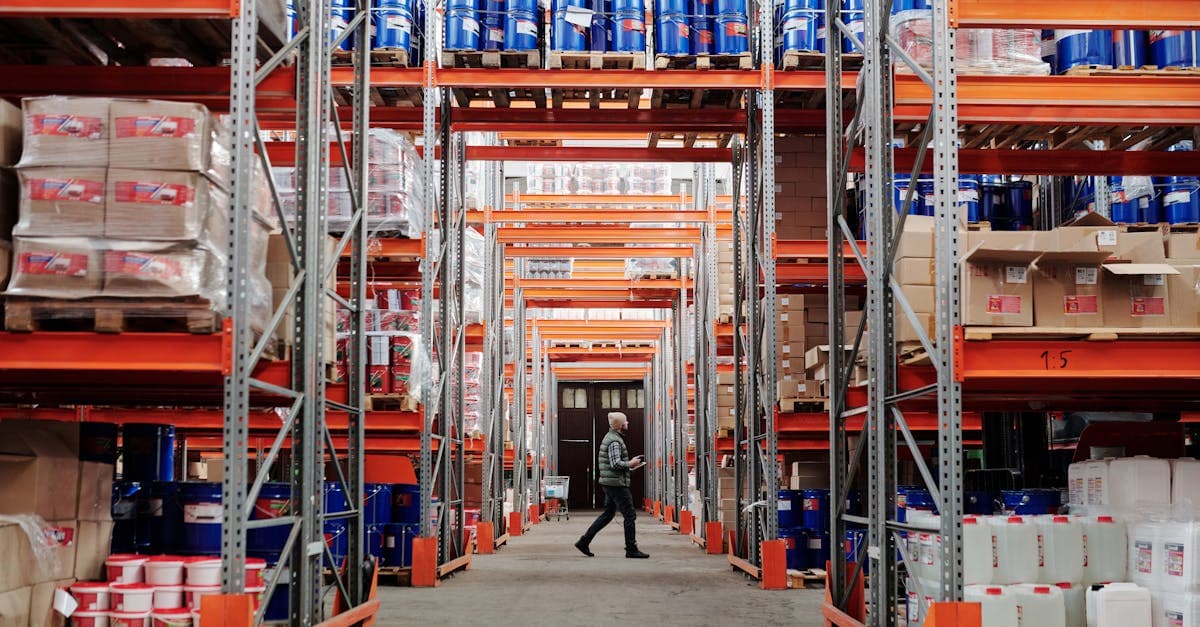
What is a Stockout?
A stockout occurs when the available quantity of an inventory item drops to zero at the moment it is needed for production or customer fulfillment. It is the failure condition that inventory management systems are designed to prevent — and it is one of the most disruptive events in manufacturing operations.
In a manufacturing context, stockouts have cascading effects. When a single component is unavailable, the entire assembly operation stops. Downstream operations that depend on the output of the stalled operation are also delayed. Machine capacity sits idle. Labor is unproductive. Customer delivery dates slip.
The true cost of a stockout extends far beyond the cost of the missing item. It includes idle labor and equipment costs during the outage, expediting charges for emergency shipments from the supplier, overtime costs to recover the lost production time, potential customer penalties for late delivery, lost future sales if customers seek alternative suppliers, and the administrative cost of replanning and rescheduling.
These costs are why manufacturers invest in safety stock, reorder points, and demand planning systems — the cost of preventing a stockout is almost always less than the cost of experiencing one.
How Stockouts Work in Manufacturing
Stockouts result from a mismatch between supply and demand. The specific mechanisms include:
Demand exceeds forecast. Customer orders or production requirements are higher than predicted. If safety stock is insufficient to absorb the excess demand, a stockout occurs.
Supplier delays. The replenishment order does not arrive on time — due to production problems at the supplier, shipping delays, or customs issues. The inventory burns down to zero before the shipment arrives.
Quality rejections. Incoming material fails inspection, reducing the usable quantity below the expected level. The rejected material cannot enter production, and a replacement shipment takes additional lead time.
Inventory record errors. The system shows material in stock, but physical count reveals the material is missing, damaged, or was consumed but not properly recorded. The scheduler plans against phantom inventory.
Demand spikes. A large, unexpected order or an engineering change creates sudden demand that exceeds available inventory and safety stock.
Manufacturers measure stockout performance through the service level metric — the percentage of demand fulfilled from available stock. A 95% service level means stockouts occur in 5% of replenishment cycles.
Stockout Example
A manufacturer of industrial pumps experiences a stockout of cast iron impeller housings. The impact analysis:
- Idle time: Assembly line stopped for 2 days. 8 assemblers × 16 hours × $38/hour = $4,864 in idle labor.
- Expediting: Emergency air freight from the casting supplier costs $2,200 (vs. $380 normal ground shipping).
- Overtime: 3 days of overtime to recover the schedule. 8 assemblers × 24 hours OT × $57/hour = $10,944.
- Late delivery penalty: 4 customer orders delivered late, with contractual penalties totaling $3,800.
- Total stockout cost: $21,808
The safety stock that would have prevented this stockout: 40 housings at $95 each = $3,800 in inventory. Annual carrying cost at 25% = $950. The safety stock investment costs $950 per year to maintain; the single stockout cost $21,808.
After this event, the manufacturer adjusts the reorder point for impeller housings, increasing safety stock from 15 to 40 units and tightening the supplier delivery monitoring process.
Why Stockouts Matter for Production Scheduling
Stockouts are the most immediate and visible failure of the scheduling-to-inventory connection. When materials are not available at the scheduled start time, the entire production plan cascades into disruption.
Production scheduling software like Resource Manager DB helps prevent stockouts by providing visibility into material requirements against upcoming production schedules. When the scheduler can see that current inventory plus incoming orders will not cover planned production, they can adjust the schedule, expedite materials, or substitute alternatives before a stockout occurs.
Effective scheduling also prevents stockouts indirectly by leveling production demand. Smooth, predictable production creates smooth, predictable material consumption — which is easier for inventory systems to manage than erratic, lumpy demand.
Related Terms
- Safety Stock — buffer inventory specifically designed to prevent stockouts
- Reorder Point — the trigger level that initiates replenishment before a stockout occurs
- Service Level — the metric that measures how successfully stockouts are being prevented
FAQ
A stockout occurs when an inventory item has zero available quantity when it is needed for production or customer fulfillment. It causes production line stoppages, idle labor, missed deliveries, and cascading schedule disruptions. The total cost of a stockout typically far exceeds the cost of the missing item itself.
Common causes include inaccurate demand forecasting, unreliable supplier deliveries, insufficient safety stock, quality rejections that reduce usable inventory, sudden demand spikes from large orders, poor inventory record accuracy, and long supplier lead times that amplify the impact of any variability.
Stockout costs include idle labor and equipment, emergency expediting charges, overtime to recover the schedule, customer late delivery penalties, and potential long-term customer loss. A single stockout on a critical component can easily cost $5,000 to $50,000 or more depending on the production volume affected and the duration of the outage.
This term is part of our Manufacturing & Production Scheduling Glossary. Learn more about inventory management, scheduling, and manufacturing terminology.
Frequently Asked Questions
Ready to Transform Your Production Scheduling?
User Solutions has been helping manufacturers optimize their production schedules for over 35 years. One-time license, 5-day implementation.

User Solutions Team
Manufacturing Software Experts
User Solutions has been developing production planning and scheduling software for manufacturers since 1991. Our team combines 35+ years of manufacturing software expertise with deep industry knowledge to help factories optimize their operations.
Share this article
Related Articles

What is ABC Analysis? Definition & Manufacturing Examples
Learn what ABC analysis is in inventory management, how the Pareto principle classifies inventory, and why it matters for scheduling.

What is Acceptance Sampling? Definition & Manufacturing Examples
Learn what acceptance sampling is, how it works in manufacturing, and why it matters for production scheduling and quality control decisions.

What is Advanced Planning & Scheduling (APS)? Definition & Manufacturing Examples
Advanced Planning & Scheduling (APS) definition: software that uses algorithms to optimize production schedules against real constraints. Learn how APS works in manufacturing with examples.