

What are Raw Materials?
Raw materials are the basic inputs, components, and substances that a manufacturer purchases from suppliers and transforms through manufacturing processes into finished goods. They represent the starting point of the manufacturing inventory cycle and are the first of three inventory categories — raw materials, work-in-process (WIP), and finished goods.
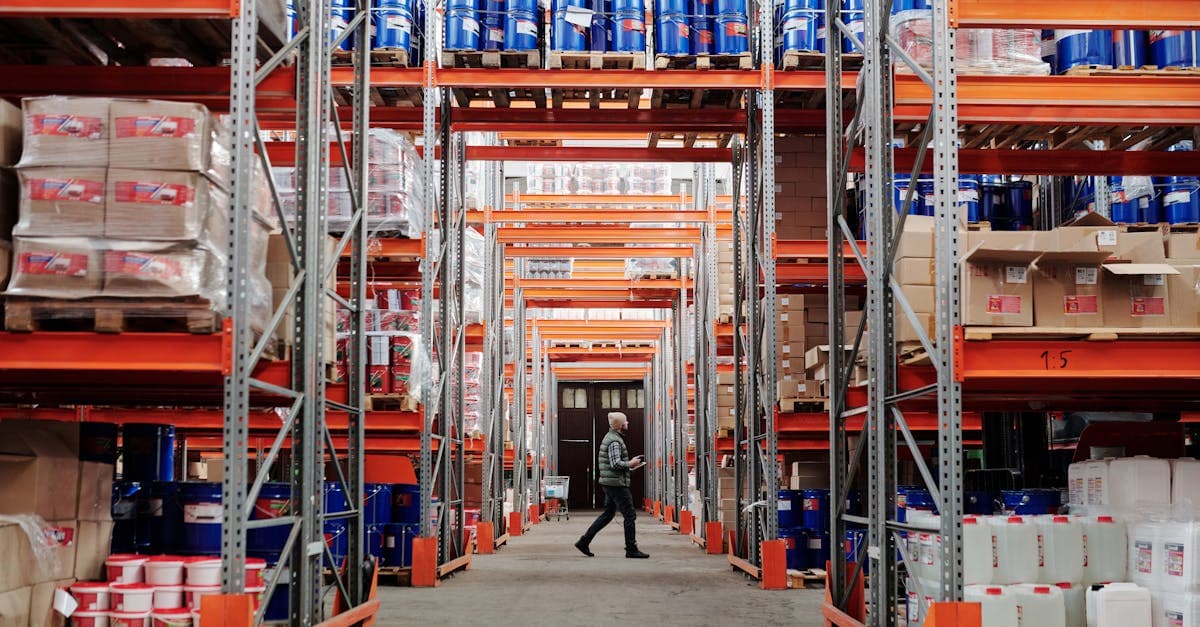
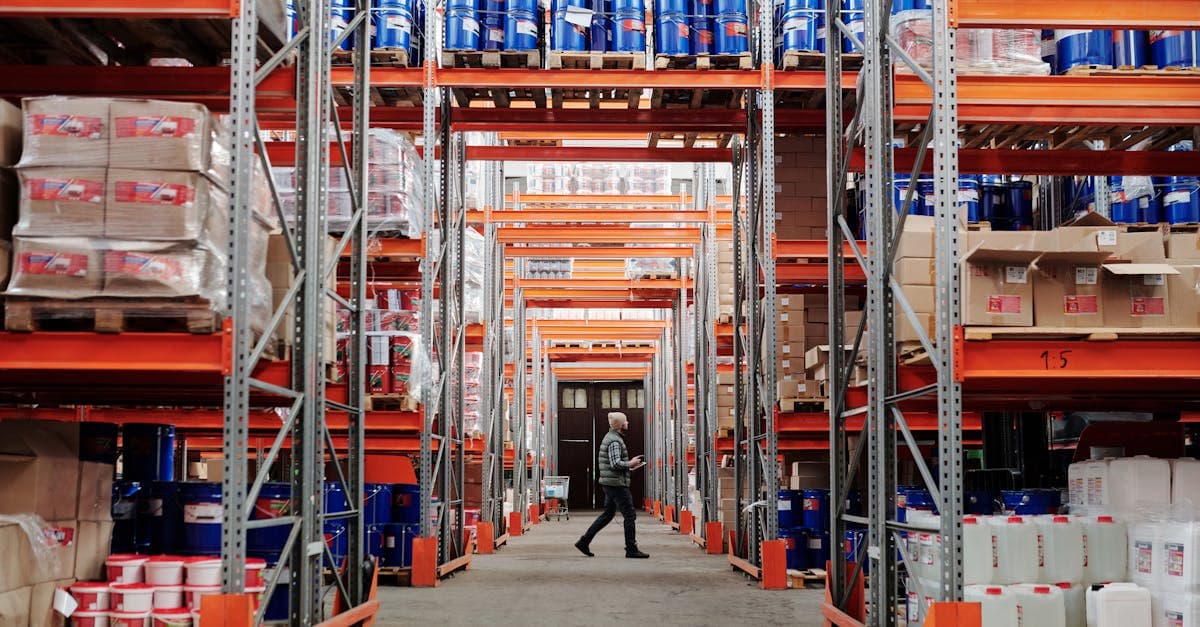
Raw materials in manufacturing span a wide range: metals (steel, aluminum, copper, titanium), plastics and polymers, chemicals and compounds, electronic components, fasteners and hardware, castings and forgings, lumber and composites, and packaging materials. The term encompasses everything from basic commodity materials to highly engineered, custom-specification components.
Raw materials are classified as direct materials (physically incorporated into the finished product) and indirect materials (consumed during manufacturing but not part of the product). Direct materials — steel for a machined part, components for an assembly — are tracked as inventory and charged directly to production orders. Indirect materials — cutting fluids, grinding wheels, gloves — are typically expensed as manufacturing overhead.
How Raw Materials Work in Manufacturing
Raw materials management follows a lifecycle from procurement through consumption:
Procurement. Purchasing acquires raw materials based on production requirements generated by MRP (Material Requirements Planning), reorder points, or manual planning. The purchasing decision balances unit cost, order quantity (EOQ), supplier lead time, quality requirements, and carrying costs.
Receiving and inspection. Incoming materials are received, verified against the purchase order, and inspected for quality conformance. Acceptance sampling or 100% inspection ensures materials meet specifications before entering production.
Storage. Raw materials are stored in designated warehouse locations, organized by material type, size, and usage frequency. FIFO rotation ensures older materials are used first.
Issuing. When production orders are released, raw materials are issued (picked) from the warehouse and delivered to the production floor. The ERP system records the material consumption against the production order, reducing raw material inventory and adding to WIP.
Inventory control. Ongoing management includes ABC analysis for differentiated management, cycle counting for accuracy, safety stock management, and obsolescence review.
Raw Materials Example
A manufacturer of industrial pumps maintains raw materials inventory across several categories:
| Category | SKUs | Avg Value | Annual Consumption | Turns |
|---|---|---|---|---|
| Castings (impellers, housings) | 85 | $380,000 | $2,280,000 | 6.0 |
| Bar stock (shafts, sleeves) | 40 | $120,000 | $960,000 | 8.0 |
| Seals and O-rings | 120 | $45,000 | $540,000 | 12.0 |
| Fasteners | 200 | $22,000 | $176,000 | 8.0 |
| Electrical components | 65 | $55,000 | $330,000 | 6.0 |
| Total | 510 | $622,000 | $4,286,000 | 6.9 |
The ABC analysis reveals that castings (16% of SKUs) represent 61% of raw material value — these are the A items requiring the tightest management. Seals and fasteners (63% of SKUs) represent only 11% of value — these C items use simplified controls such as vendor-managed inventory and two-bin systems.
Why Raw Materials Matter for Production Scheduling
Raw material availability is the most fundamental constraint on production scheduling. A perfectly optimized production schedule is useless if the required materials are not available. Material shortages are among the top causes of schedule disruptions in manufacturing.
Schedulers must coordinate production start dates with material availability dates. When raw material lead times are long (8-16 weeks for castings or specialty alloys), scheduling decisions must be made well in advance and material orders placed accordingly.
Production scheduling software like Resource Manager DB provides visibility into material availability when scheduling production orders. When materials are constrained, the scheduler can adjust priorities, delay lower-priority orders, or identify substitute materials.
Effective scheduling reduces raw material inventory by coordinating material deliveries with production needs — avoiding early deliveries that sit in the warehouse accumulating carrying costs.
Related Terms
- WIP Inventory — the next inventory stage after raw materials enter production
- Finished Goods — the final inventory stage after manufacturing is complete
- Safety Stock — buffer inventory of raw materials held against demand or supply variability
FAQ
Raw materials are the basic inputs that a manufacturer purchases and transforms into finished products. They include metals, plastics, chemicals, electronic components, fasteners, and all other purchased items that become part of the final product or are consumed in its manufacture. Raw materials represent the first stage of manufacturing inventory.
Direct materials are physically incorporated into the finished product and can be traced to specific production orders — steel for machined parts, components in assemblies. Indirect materials are consumed during manufacturing but are not part of the product — cutting fluids, cleaning supplies, protective equipment. Direct materials are tracked as inventory; indirect materials are typically expensed as overhead.
Use ABC analysis to prioritize management effort on high-value items. Set appropriate reorder points and safety stock levels based on demand variability and supplier lead times. Implement FIFO rotation. Inspect materials at receiving. Coordinate material deliveries with production schedules. Conduct regular cycle counts. Review for dead stock and obsolescence. Use scheduling software to align material arrivals with production needs.
This term is part of our Manufacturing & Production Scheduling Glossary. Learn more about inventory management, scheduling, and manufacturing terminology.
Frequently Asked Questions
Ready to Transform Your Production Scheduling?
User Solutions has been helping manufacturers optimize their production schedules for over 35 years. One-time license, 5-day implementation.

User Solutions Team
Manufacturing Software Experts
User Solutions has been developing production planning and scheduling software for manufacturers since 1991. Our team combines 35+ years of manufacturing software expertise with deep industry knowledge to help factories optimize their operations.
Share this article
Related Articles
What is ABC Analysis? Definition & Manufacturing Examples
Learn what ABC analysis is in inventory management, how the Pareto principle classifies inventory, and why it matters for scheduling.
What is Acceptance Sampling? Definition & Manufacturing Examples
Learn what acceptance sampling is, how it works in manufacturing, and why it matters for production scheduling and quality control decisions.
What is Advanced Planning & Scheduling (APS)? Definition & Manufacturing Examples
Advanced Planning & Scheduling (APS) definition: software that uses algorithms to optimize production schedules against real constraints. Learn how APS works in manufacturing with examples.