
What is Quality Assurance? Definition & Manufacturing Examples
 User Solutions Team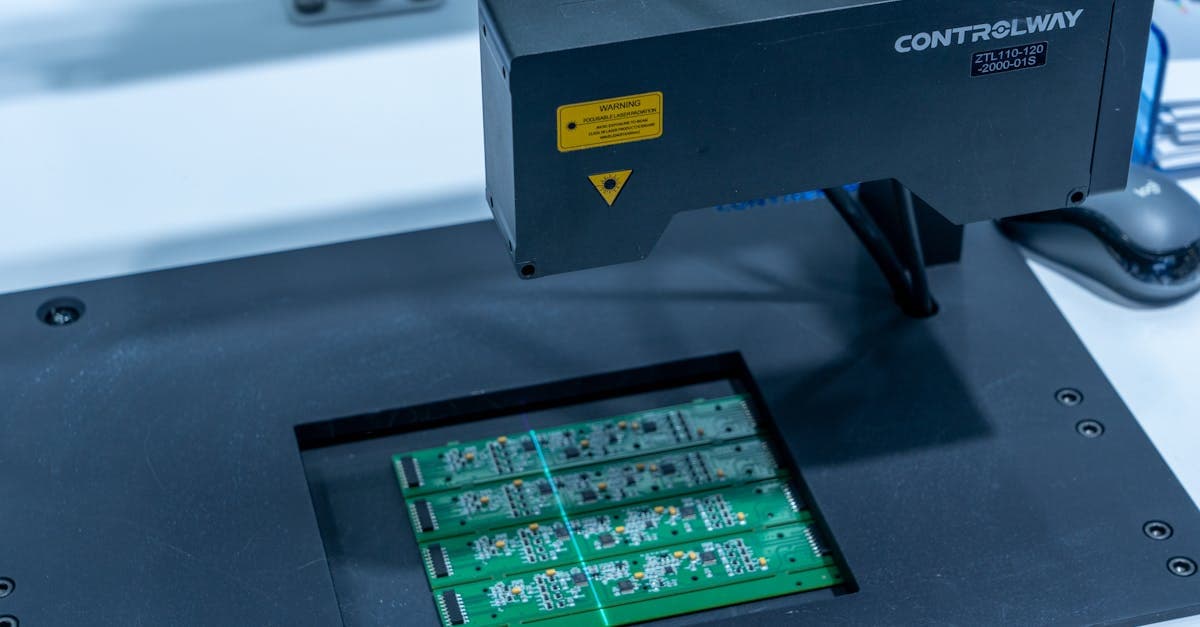
What is Quality Assurance?
Quality assurance (QA) is the systematic, planned set of activities that ensures manufacturing processes, procedures, and systems are designed, implemented, and maintained to consistently produce products that meet specified requirements. QA is fundamentally about prevention — building quality into the process rather than inspecting it into the product.
The distinction between quality assurance and quality control is critical. Quality assurance is process-oriented and proactive. It focuses on establishing the conditions under which quality products will be produced — documented procedures, trained personnel, calibrated equipment, validated processes, and qualified suppliers. Quality control is product-oriented and reactive. It focuses on verifying that specific products meet specifications through inspection, testing, and measurement.
Quality assurance is formalized through quality management systems such as ISO 9001, AS9100 (aerospace), IATF 16949 (automotive), and FDA 21 CFR Part 820 (medical devices). These standards provide frameworks for establishing, documenting, and continuously improving QA systems.
The philosophy underlying quality assurance was articulated by Philip Crosby's principle that "quality is free" — the cost of preventing defects is always less than the cost of finding and fixing them. Every dollar invested in quality assurance systems returns multiple dollars through reduced scrap, rework, warranty claims, and customer complaints.
How Quality Assurance Works in Manufacturing
A manufacturing quality assurance program operates across several domains:
Process Design and Validation. QA ensures that manufacturing processes are designed to produce conforming products consistently. This includes process capability studies, FMEA during process development, installation qualification (IQ), operational qualification (OQ), and performance qualification (PQ).
Documentation. QA establishes and maintains the documented procedures, work instructions, and quality records that define how work should be performed. Without documentation, quality depends on individual knowledge and memory — neither of which is reliable or transferable.
Training and Competency. QA ensures that personnel are qualified to perform their assigned tasks through initial training, ongoing competency verification, and retraining when processes change.
Supplier Management. QA extends beyond the factory walls to ensure that incoming materials and components meet requirements. This includes supplier audits, approved supplier lists, and incoming material specifications.
Measurement System Management. QA ensures that all measurement and test equipment is calibrated, maintained, and traceable to national standards. Inaccurate measurements undermine every other quality activity.
Internal Auditing. QA conducts regular internal audits to verify that documented procedures are being followed and that the quality system remains effective. Audit findings drive corrective actions and preventive actions.
Management Review. Senior leadership periodically reviews quality system performance data — defect trends, audit results, customer feedback, process capability — to make resource and strategic decisions about quality improvement.
Quality Assurance Example
A contract electronics manufacturer implements a quality assurance program for a new surface-mount assembly line. The QA activities include:
Process validation: The solder reflow profile is optimized through DOE (Design of Experiments) and validated across all board configurations. The validated temperature profile is locked in the oven controller and cannot be changed without QA approval.
Documentation: 14 work instructions cover every operation from PCB loading through final test, with photographs showing correct component placement and solder joint acceptance criteria.
Training: All operators complete 40 hours of IPC-A-610 workmanship training and must pass a hands-on competency test before working unsupervised.
Equipment calibration: All measurement tools including multimeters, oscilloscopes, and AOI (automated optical inspection) systems are calibrated quarterly with certificates traceable to NIST standards.
Results after 12 months: The assembly line achieves a first pass yield of 98.7%, compared to 94.2% on the legacy line without the QA program. Customer returns decrease by 72%. The QA program cost $85,000 to implement, but the reduction in scrap, rework, and warranty claims saves $210,000 per year.
Why Quality Assurance Matters for Production Scheduling
Quality assurance creates the predictable, stable processes that reliable production scheduling depends on. When QA systems are effective, processes produce consistent quality with minimal variation — allowing schedulers to trust planned cycle times, yield rates, and delivery commitments.
Without effective QA, processes are unpredictable. Schedulers must build excessive buffers for rework, scrap, and unplanned stops. Customer delivery dates become unreliable, and firefighting replaces planning.
Scheduling software like Resource Manager DB performs best when fed accurate, reliable data — and QA systems provide that data. Validated processes produce consistent cycle times. Calibrated measurement systems produce trustworthy quality data. Trained operators follow procedures consistently. All of this translates into scheduling accuracy.
Related Terms
- Total Quality Management — a comprehensive quality philosophy that encompasses and extends quality assurance
- ISO 9001 — the international standard that formalizes quality assurance into a certifiable management system
- Inspection — a quality control activity that complements the preventive focus of quality assurance
FAQ
Quality assurance is the systematic process of ensuring that manufacturing processes, procedures, and systems are designed and maintained to consistently produce products that meet requirements. QA focuses on preventing defects by establishing proper processes, training, documentation, and controls — rather than finding defects through inspection after production.
Quality assurance (QA) is proactive and process-focused — it designs and maintains processes that prevent defects from occurring. Quality control (QC) is reactive and product-focused — it detects defects through inspection and testing of actual products. Both are essential: QA minimizes the number of defects produced, while QC catches the defects that slip through.
A comprehensive QA program includes documented procedures and work instructions, process validation, employee training and competency verification, equipment calibration and maintenance, supplier qualification and monitoring, internal quality audits, management review, corrective and preventive action systems, and continuous improvement processes. The specific requirements depend on the industry, regulatory environment, and customer expectations.
This term is part of our Manufacturing & Production Scheduling Glossary. Learn more about quality control, scheduling, and manufacturing terminology.
Frequently Asked Questions
Ready to Transform Your Production Scheduling?
User Solutions has been helping manufacturers optimize their production schedules for over 35 years. One-time license, 5-day implementation.

User Solutions Team
Manufacturing Software Experts
User Solutions has been developing production planning and scheduling software for manufacturers since 1991. Our team combines 35+ years of manufacturing software expertise with deep industry knowledge to help factories optimize their operations.
Share this article
Related Articles
What is ABC Analysis? Definition & Manufacturing Examples
Learn what ABC analysis is in inventory management, how the Pareto principle classifies inventory, and why it matters for scheduling.
What is Acceptance Sampling? Definition & Manufacturing Examples
Learn what acceptance sampling is, how it works in manufacturing, and why it matters for production scheduling and quality control decisions.
What is Advanced Planning & Scheduling (APS)? Definition & Manufacturing Examples
Advanced Planning & Scheduling (APS) definition: software that uses algorithms to optimize production schedules against real constraints. Learn how APS works in manufacturing with examples.