

What is Inspection?
Inspection in manufacturing is the systematic process of examining, measuring, testing, or gauging products, components, or materials against specified requirements to determine whether they conform to engineering drawings, quality standards, or customer specifications. Inspection is one of the fundamental activities of quality assurance and serves as the primary method for detecting defects before they reach the customer.
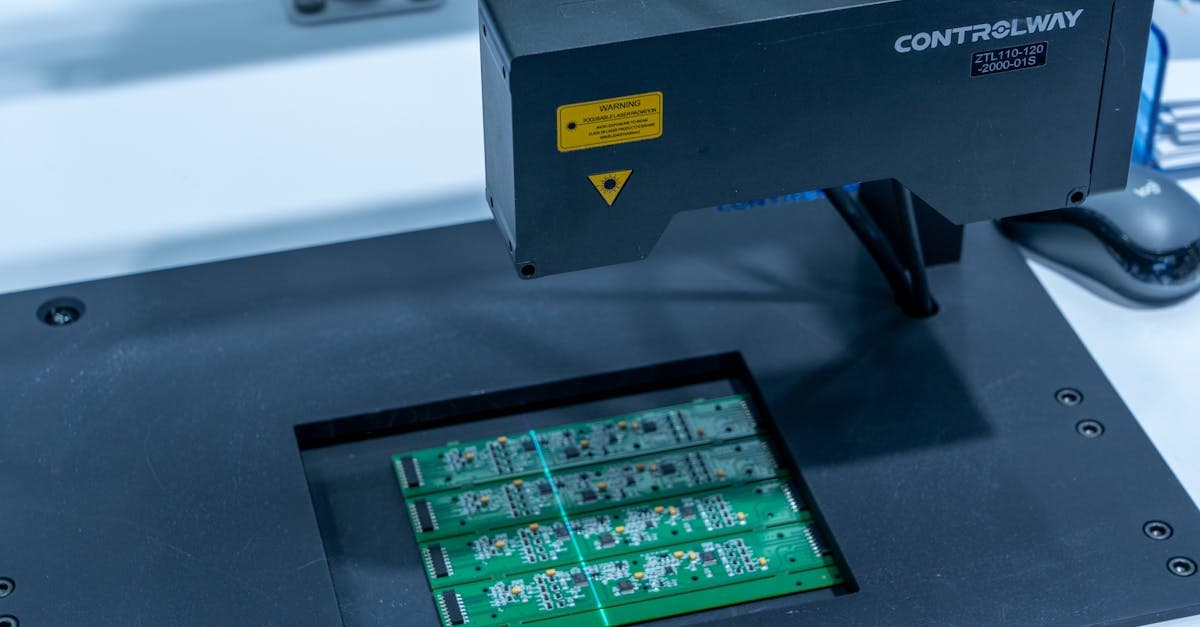
Inspection encompasses a wide range of activities — from visual examination of surface finish to precision measurement with coordinate measuring machines (CMMs), from functional testing under load to destructive testing of material samples. The common thread is comparison against a defined standard and a conformance determination.
While inspection is essential, it is important to understand its limitations. Inspection detects defects after they have been produced — it does not prevent them. No inspection method is 100% effective; human inspectors miss defects due to fatigue, distraction, and visual limitations, and even automated inspection systems have detection limits. This is why modern quality systems emphasize prevention through SPC, FMEA, and process capability improvement alongside inspection.
How Inspection Works in Manufacturing
Manufacturing inspection occurs at three stages:
Incoming Inspection examines raw materials, purchased components, and subcontracted items when they arrive at the facility. Methods include dimensional verification, material certification review, visual examination, and acceptance sampling. Incoming inspection prevents defective materials from entering the production process, where they would consume machine time and labor before the defect is discovered.
In-Process Inspection occurs during manufacturing operations. First-article inspection verifies the first part produced after a setup meets specification before the full production run begins. Patrol inspection checks parts at regular intervals during the run. Operator self-inspection trains production workers to check their own output against specifications. In-process inspection catches problems early, minimizing the number of defective parts produced.
Final Inspection examines completed products before they are shipped to customers. This is the last quality gate and typically includes dimensional verification of critical characteristics, functional testing, visual inspection for cosmetic defects, labeling and packaging verification, and documentation review. Final inspection provides the ultimate conformance determination.
Inspection methods fall into two categories. Attribute inspection classifies items as conforming or nonconforming — pass or fail. Variable inspection measures specific characteristics on a continuous scale (dimensions, weight, hardness) and records the actual values for SPC analysis.
Inspection Example
An aerospace parts manufacturer produces 500 precision brackets per month. Their inspection plan includes:
- Incoming: 100% dimensional inspection of raw aluminum bar stock (5 minutes per bar, 50 bars per month = 4.2 hours)
- First article: Full CMM inspection of the first bracket after each setup (45 minutes per setup, 10 setups per month = 7.5 hours)
- In-process: Operator checks critical dimensions every 10th part using go/no-go gauges (1 minute per check, 50 checks per setup = 8.3 hours per month)
- Final: 100% visual inspection plus CMM measurement of 3 critical dimensions on every bracket (8 minutes per bracket, 500 brackets = 66.7 hours per month)
Total inspection time: 86.7 hours per month, consuming the equivalent of half a full-time inspector. This inspection workload must be factored into the production schedule — inspection is not free, and inspection stations have finite capacity just like production work centers.
When the CMM breaks down for two days, 130 brackets pile up awaiting final inspection. The production schedule must either absorb the backlog with overtime inspection hours or delay shipments by two days.
Why Inspection Matters for Production Scheduling
Inspection is a production operation that consumes time, equipment, and labor — and it must be scheduled accordingly. Failing to allocate adequate inspection time is one of the most common sources of schedule delays in manufacturing. Parts may be physically completed on time, but if they sit in the inspection queue for two days, the effective completion date slips.
Production scheduling software like Resource Manager DB treats inspection as a schedulable resource, ensuring inspection capacity is visible alongside machining, assembly, and other production operations. When inspection is overloaded, the scheduler can see the bottleneck and adjust priorities or allocate overtime.
First-article inspection time also affects setup efficiency. If first-article approval takes 45 minutes but the scheduler allowed only 15 minutes, every job start is delayed by 30 minutes — compounding across multiple setups per day.
Related Terms
- Acceptance Sampling — a statistical sampling method used within inspection processes
- Quality Assurance — the broader system that includes inspection as one of its components
- Defect — the nonconformance that inspection is designed to detect
FAQ
Inspection is the process of examining, measuring, testing, or gauging a product or material against specified requirements to determine conformance. It occurs at three stages — incoming, in-process, and final — and uses methods ranging from simple visual checks to precision CMM measurement. Inspection is a core quality control activity that catches defects before they reach the customer.
The three main types are incoming inspection (verifying raw materials and purchased parts meet specifications before entering production), in-process inspection (checking parts during manufacturing to catch problems early), and final inspection (verifying completed products before shipment). Each type has different methods, sampling strategies, and scheduling implications.
The choice depends on several factors. Use 100% inspection for safety-critical items, regulatory requirements, high-value low-volume production, and when the cost of a missed defect is very high. Use sampling inspection for high-volume production where 100% inspection would be impractical, when processes are statistically capable, and when the cost of inspection exceeds the cost of occasional defect escapes.
This term is part of our Manufacturing & Production Scheduling Glossary. Learn more about quality control, scheduling, and manufacturing terminology.
Frequently Asked Questions
Ready to Transform Your Production Scheduling?
User Solutions has been helping manufacturers optimize their production schedules for over 35 years. One-time license, 5-day implementation.

User Solutions Team
Manufacturing Software Experts
User Solutions has been developing production planning and scheduling software for manufacturers since 1991. Our team combines 35+ years of manufacturing software expertise with deep industry knowledge to help factories optimize their operations.
Share this article
Related Articles
What is ABC Analysis? Definition & Manufacturing Examples
Learn what ABC analysis is in inventory management, how the Pareto principle classifies inventory, and why it matters for scheduling.
What is Acceptance Sampling? Definition & Manufacturing Examples
Learn what acceptance sampling is, how it works in manufacturing, and why it matters for production scheduling and quality control decisions.
What is Advanced Planning & Scheduling (APS)? Definition & Manufacturing Examples
Advanced Planning & Scheduling (APS) definition: software that uses algorithms to optimize production schedules against real constraints. Learn how APS works in manufacturing with examples.