

What are Finished Goods?
Finished goods are completed manufactured products that have passed through all production operations, assembly steps, and quality inspections and are ready for sale, shipment, or delivery to customers. They represent the final category in the manufacturing inventory lifecycle: raw materials enter the factory, become work-in-process (WIP) during manufacturing, and emerge as finished goods upon completion.
Finished goods inventory appears as a current asset on the balance sheet, valued at the full manufacturing cost — including raw material cost, direct labor, and manufacturing overhead. Because finished goods carry the highest per-unit cost of any inventory category (all manufacturing value has been added), they also carry the highest carrying cost per unit.
The amount of finished goods inventory a manufacturer holds is a strategic decision that balances customer service levels against inventory investment. Make-to-stock manufacturers maintain finished goods buffers to provide immediate product availability. Make-to-order manufacturers produce finished goods only against customer orders, minimizing or eliminating finished goods inventory.
How Finished Goods Work in Manufacturing
Finished goods transition from WIP to finished goods status when the last manufacturing operation and final quality inspection are complete. This transition is recorded in the ERP or inventory system, updating the item's status and location.
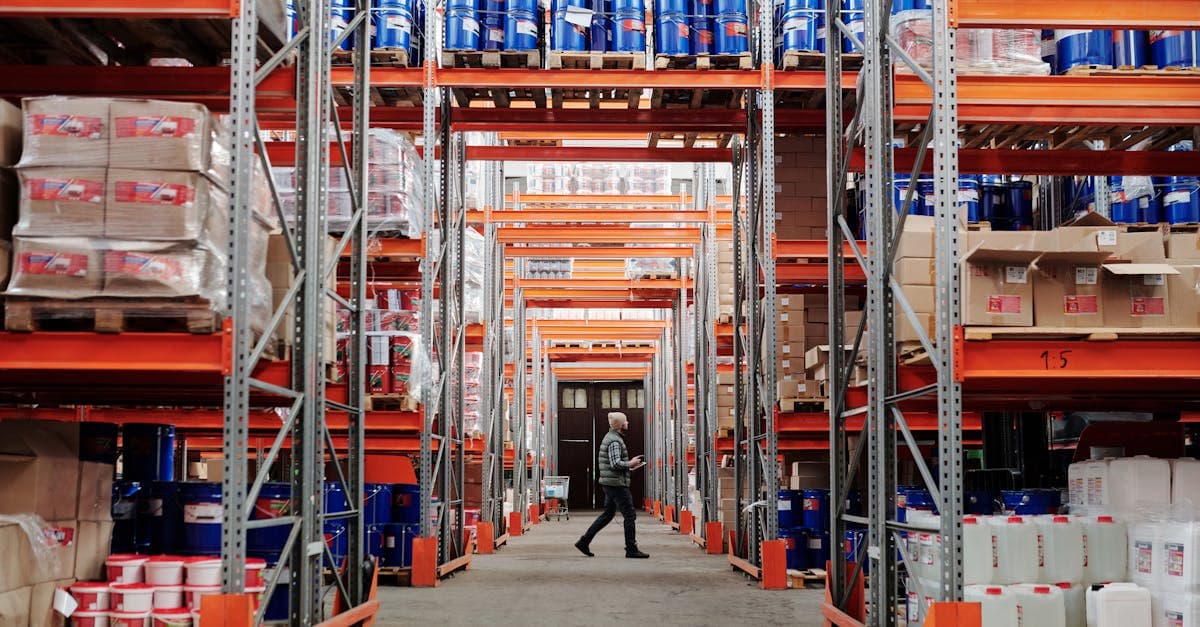
Finished goods are typically stored in a designated warehouse area or shipping dock, organized for efficient order fulfillment. Storage considerations include environmental conditions (temperature, humidity for sensitive products), FIFO rotation for shelf-life items, and accessibility for high-frequency items.
Key metrics for finished goods management include:
Inventory turnover: How many times per year the finished goods inventory is sold and replaced. Higher turnover means less capital tied up in inventory.
Days inventory outstanding: The average number of days finished goods sit in inventory before being shipped. Lower is generally better.
Service level: The percentage of customer orders that can be fulfilled immediately from finished goods stock. Higher service levels require more inventory.
Fill rate: The percentage of ordered units shipped complete on the requested date. This is the ultimate measure of finished goods inventory effectiveness.
Finished Goods Example
A manufacturer of industrial valves produces 50 standard catalog models and 200+ custom configurations. The inventory strategy is segmented:
Standard models (make-to-stock): The top 15 models (representing 65% of unit sales) are stocked as finished goods with target inventory of 4 weeks of demand. Average finished goods value: $420,000. Service level target: 95% immediate availability.
Standard models (make-to-order): The remaining 35 standard models (35% of unit sales) are produced only when ordered. Finished goods inventory: near zero. Lead time to customer: 3-4 weeks.
Custom configurations: Built entirely to customer specification. Finished goods inventory: zero. Lead time: 6-10 weeks depending on complexity.
This segmented strategy balances customer service with inventory investment. The top 15 models justify finished goods investment because their high demand velocity ensures rapid inventory turnover. The slower-moving standard models and all custom configurations avoid the carrying cost of finished goods inventory.
Monthly finished goods analysis:
- Total finished goods value: $420,000
- Annual carrying cost (25%): $105,000
- Stockout cost avoided (estimated lost sales): $380,000
- Net benefit of finished goods strategy: $275,000
Why Finished Goods Matter for Production Scheduling
Finished goods levels directly drive production scheduling decisions. When finished goods for a make-to-stock item drop below the target level, the scheduler must plan a replenishment production run. When finished goods accumulate above target levels, the scheduler should delay or reduce production to avoid excess inventory.
The balance between finished goods investment and production scheduling is dynamic. Building large batches reduces changeover frequency but increases finished goods levels. Building small, frequent batches keeps finished goods lean but increases setup time and may reduce capacity utilization.
Production scheduling software like Resource Manager DB helps planners optimize this balance by scheduling production runs that maintain target finished goods levels while minimizing setup time and maximizing machine utilization.
For make-to-order manufacturers, finished goods scheduling is simpler — production is completed and shipped with minimal time in finished goods status. The scheduling focus shifts to meeting customer due dates rather than maintaining stock levels.
Related Terms
- WIP Inventory — partially completed items in the production process that precede finished goods
- Raw Materials — unprocessed inputs that are the starting point of the manufacturing inventory cycle
- Make-to-Stock — the production strategy that requires finished goods inventory buffers
FAQ
Finished goods are completed products that have passed all manufacturing operations and quality inspections and are ready for sale or shipment. They carry the full manufacturing cost (materials, labor, overhead) and represent the highest per-unit inventory investment, making finished goods management critical for both customer service and financial performance.
Raw materials are unprocessed inputs waiting to enter production. Work-in-process (WIP) includes partially completed items currently moving through manufacturing operations. Finished goods are fully completed products ready for shipment. Together, these three categories constitute total manufacturing inventory, each requiring different management approaches and carrying different cost profiles.
The optimal level depends on manufacturing strategy, demand variability, and customer service requirements. Make-to-stock manufacturers typically hold 2-8 weeks of demand. Make-to-order manufacturers hold minimal or zero finished goods. The right level balances the cost of carrying inventory against the cost of stockouts and lost sales. ABC analysis helps differentiate target levels by product importance.
This term is part of our Manufacturing & Production Scheduling Glossary. Learn more about inventory management, scheduling, and manufacturing terminology.
Frequently Asked Questions
Ready to Transform Your Production Scheduling?
User Solutions has been helping manufacturers optimize their production schedules for over 35 years. One-time license, 5-day implementation.

User Solutions Team
Manufacturing Software Experts
User Solutions has been developing production planning and scheduling software for manufacturers since 1991. Our team combines 35+ years of manufacturing software expertise with deep industry knowledge to help factories optimize their operations.
Share this article
Related Articles
What is ABC Analysis? Definition & Manufacturing Examples
Learn what ABC analysis is in inventory management, how the Pareto principle classifies inventory, and why it matters for scheduling.
What is Acceptance Sampling? Definition & Manufacturing Examples
Learn what acceptance sampling is, how it works in manufacturing, and why it matters for production scheduling and quality control decisions.

What is Advanced Planning & Scheduling (APS)? Definition & Manufacturing Examples
Advanced Planning & Scheduling (APS) definition: software that uses algorithms to optimize production schedules against real constraints. Learn how APS works in manufacturing with examples.