


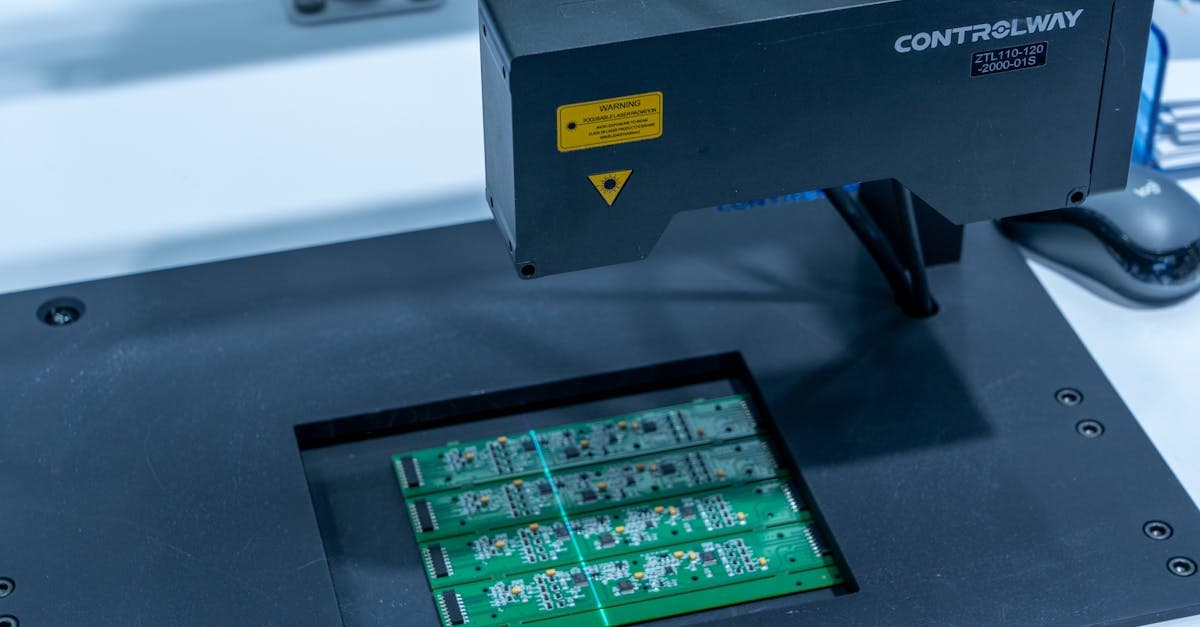
What is a Defect?
A defect in manufacturing is a nonconformance in a product or component that renders it unfit for its intended use, fails to meet specified requirements, or does not satisfy customer expectations. Defects can occur at any stage of the manufacturing process — from incoming raw materials through machining, assembly, finishing, and packaging.
The quality management community distinguishes between defects and nonconformances. A nonconformance is any deviation from a specification, standard, or requirement. A defect is a nonconformance that specifically affects the product's fitness for use. For example, a shaft machined 0.002 mm outside the tolerance band is a nonconformance. If that deviation causes the shaft to not fit in its mating bore, it is also a defect.
Defects are typically classified into three severity levels. Critical defects create safety hazards, regulatory violations, or complete product failure. A cracked brake caliper or a shorted electrical connection are critical defects. Major defects significantly reduce the product's function or create substantial customer dissatisfaction. A hydraulic pump that leaks at high pressure is a major defect. Minor defects are cosmetic or slight deviations that do not affect function — a surface scratch on a non-critical area or a slight color variation.
How Defects Work in Manufacturing
Defects originate from five primary sources in manufacturing, often called the 5 Ms: Man (operator error), Machine (equipment malfunction), Material (raw material problems), Method (process or procedure issues), and Measurement (inspection or testing errors).
Manufacturers use multiple strategies to manage defects. Prevention aims to design processes that cannot produce defects — through FMEA, mistake-proofing (poka-yoke), and robust process design. Detection uses inspection, testing, and SPC to find defects before they reach the customer. Analysis uses tools like Pareto charts and root cause analysis to understand defect patterns and drive improvement.
When a defect is detected, a disposition decision is required. The four standard dispositions are: scrap (discard the item), rework (repair the item to meet specification), use as is (accept the deviation through a formal concession), or return to supplier (for incoming material defects).
Each disposition has different cost and scheduling implications. Scrap consumes material and requires replacement production. Rework consumes additional labor and machine capacity. Use-as-is requires engineering review and approval. Return to supplier creates supply chain delays. Effective defect management minimizes all of these impacts.
Defect Example
A sheet metal fabricator produces 2,000 enclosures per week. Quality data over a month shows the following defect distribution:
| Defect Type | Count | Percentage | Severity |
|---|---|---|---|
| Weld porosity | 45 | 36% | Major |
| Paint adhesion failure | 28 | 22% | Minor |
| Dimensional out-of-tolerance | 24 | 19% | Major |
| Missing hardware | 16 | 13% | Major |
| Surface dents | 12 | 10% | Minor |
| Total | 125 | 100% |
The overall defect rate is 125 defects in 8,000 enclosures, or 1.56%. A Pareto analysis shows that weld porosity and paint adhesion failure account for 58% of all defects. The quality team focuses corrective action on these two categories. Investigation reveals the weld porosity is caused by contaminated shielding gas, and the paint adhesion failure stems from insufficient surface preparation before painting.
After corrective actions, the monthly defect count drops to 52 — a 58% reduction. The rework labor savings alone amount to 40 hours per month, freeing capacity for additional production.
Why Defects Matter for Production Scheduling
Defects directly disrupt production schedules. Every defective unit that must be scrapped requires replacement production — consuming materials, machine time, and labor that was allocated to other orders. Every unit that requires rework creates unplanned demand on work centers that may already be at capacity.
High defect rates force schedulers to build excess capacity and material buffers into their plans, reducing overall efficiency. A process with a 5% defect rate effectively reduces usable capacity by 5% and increases material consumption proportionally.
Production scheduling software like Resource Manager DB allows planners to incorporate expected yield rates into their schedules, ensuring sufficient material is released and adequate capacity is reserved to meet net production requirements despite anticipated defects.
Tracking defect data over time also enables schedulers to predict which operations and work centers are likely to generate rework demand, and to reserve capacity accordingly rather than being caught off guard.
Related Terms
- Scrap Rate — the percentage of production lost to irreparable defects
- First Pass Yield — the percentage of units that pass inspection without rework
- Root Cause Analysis — the methodology for finding the fundamental cause of defects
FAQ
A defect is a nonconformance in a manufactured product that makes it unfit for its intended use or fails to meet specified requirements. Defects are classified by severity: critical (safety hazard or regulatory violation), major (reduced function or significant customer dissatisfaction), and minor (cosmetic or slight deviation that does not affect function). Understanding defect types and their impact helps manufacturers prioritize quality improvement efforts.
A nonconformance is any deviation from a specification, drawing, or standard — it simply means the item does not conform. A defect is a nonconformance that specifically affects the product's fitness for use or creates a hazard. All defects are nonconformances, but not all nonconformances are defects. Some deviations may fall outside the specification but still be acceptable for use through a formal engineering concession.
Defects are typically classified into three levels. Critical defects create safety hazards, regulatory violations, or complete product failure and require immediate containment. Major defects significantly reduce product function, reliability, or performance and typically result in scrap or mandatory rework. Minor defects are cosmetic issues or slight deviations that do not affect function, safety, or usability and may be accepted through a use-as-is disposition.
This term is part of our Manufacturing & Production Scheduling Glossary. Learn more about quality control, scheduling, and manufacturing terminology.
Frequently Asked Questions
Ready to Transform Your Production Scheduling?
User Solutions has been helping manufacturers optimize their production schedules for over 35 years. One-time license, 5-day implementation.

User Solutions Team
Manufacturing Software Experts
User Solutions has been developing production planning and scheduling software for manufacturers since 1991. Our team combines 35+ years of manufacturing software expertise with deep industry knowledge to help factories optimize their operations.
Share this article
Related Articles

What is ABC Analysis? Definition & Manufacturing Examples
Learn what ABC analysis is in inventory management, how the Pareto principle classifies inventory, and why it matters for scheduling.
What is Acceptance Sampling? Definition & Manufacturing Examples
Learn what acceptance sampling is, how it works in manufacturing, and why it matters for production scheduling and quality control decisions.
What is Advanced Planning & Scheduling (APS)? Definition & Manufacturing Examples
Advanced Planning & Scheduling (APS) definition: software that uses algorithms to optimize production schedules against real constraints. Learn how APS works in manufacturing with examples.