

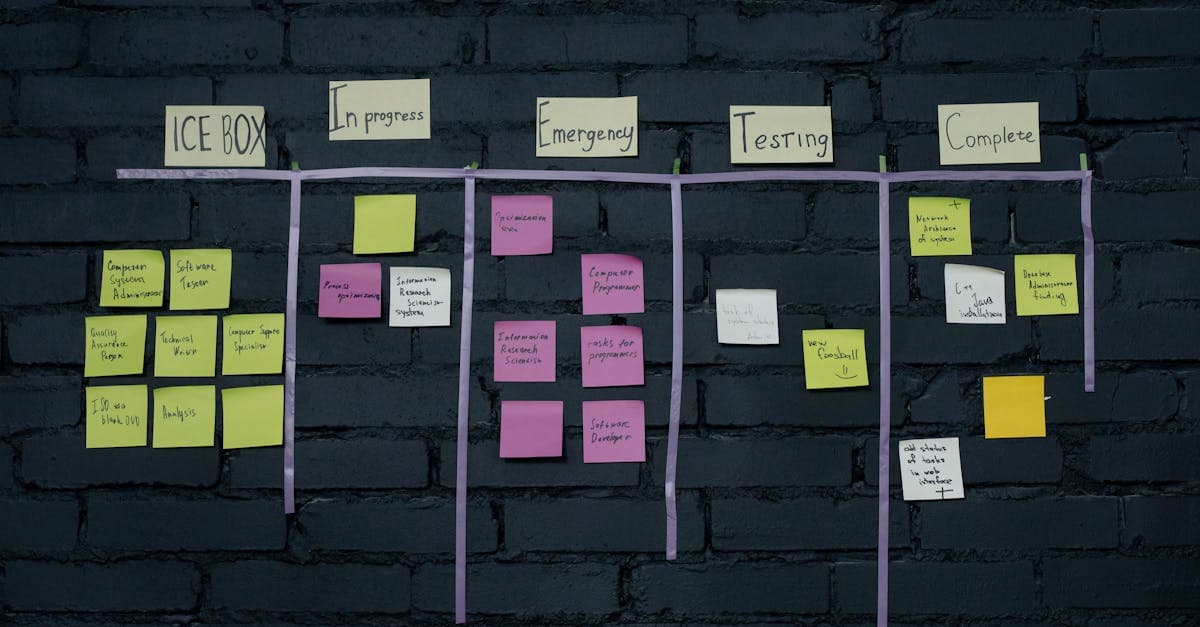
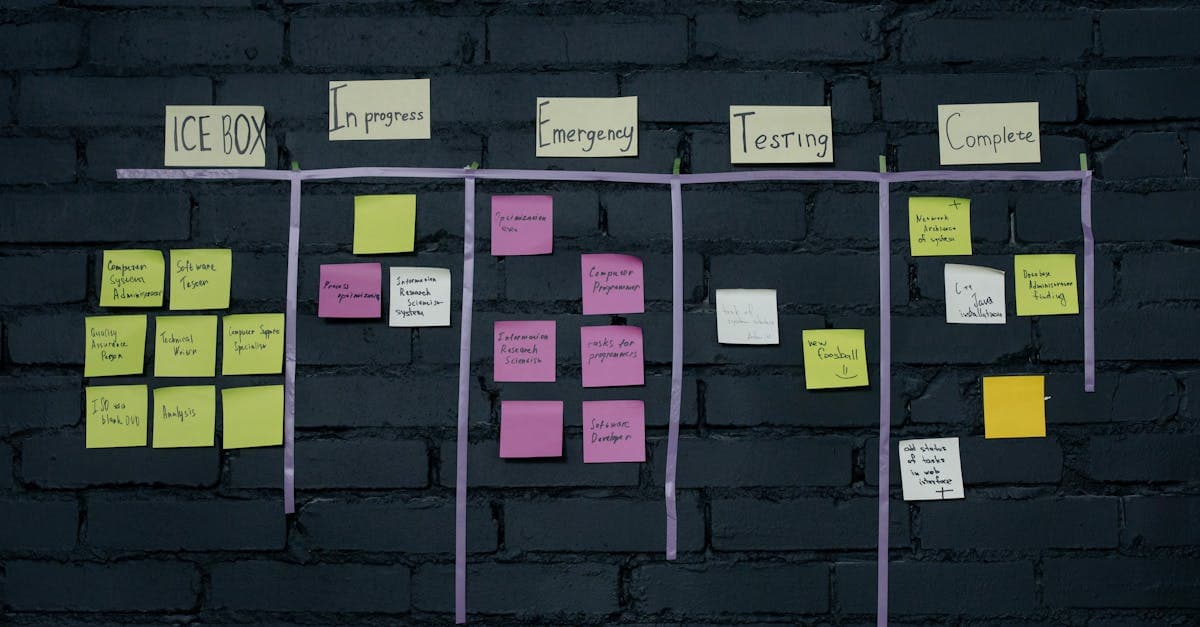
Work-in-progress (WIP) is the inventory of partially completed products sitting on the manufacturing shop floor — and it is one of the most significant yet misunderstood costs in manufacturing. Every part that has started production but has not yet shipped represents tied-up cash, consumed floor space, and extended lead time. This manufacturing glossary entry explains why WIP matters, how to control it, and its critical relationship with production scheduling.
What Is Work-in-Progress?
WIP includes every item that has entered the production process but has not reached the finished goods state:
- Parts being actively processed on a machine
- Parts waiting in queue for the next operation
- Parts being transported between work centers
- Parts waiting for inspection or quality approval
- Parts in rework loops
Accountants treat WIP as an asset on the balance sheet, which creates a dangerous illusion: it looks like the company owns something valuable. In reality, WIP is cash that has been spent on material and labor but has not yet generated revenue. Until the product ships, WIP is a liability disguised as an asset.
Why WIP Is the Enemy
WIP has a direct, mathematical relationship with lead time. Little's Law states:
Lead Time = WIP / Throughput
If your shop produces 100 units per day (throughput) and has 2,000 units of WIP on the floor, average lead time is 20 days. Want to reduce lead time to 10 days? Cut WIP to 1,000 units. The math is inescapable.
Beyond lead time, excess WIP creates multiple problems:
- Cash tie-up: Every dollar in WIP is a dollar not available for investment, payroll, or growth.
- Floor space consumption: WIP staging areas, shelving, and bins consume productive floor space.
- Quality hiding: A defective part in a batch of 500 may not be discovered for days or weeks. In a WIP-limited flow, defects surface immediately.
- Scheduling complexity: With 400 open jobs on the floor, determining which job to run next becomes a complex prioritization challenge. With 100 open jobs, the decisions are simpler and more likely to be correct.
- Confusion and expediting: High-WIP environments breed chaos. Expeditors chase hot jobs through piles of waiting work. The more WIP, the more expediting is needed — and expediting disrupts every other job's priority.
How to Control WIP
Effective WIP control uses multiple strategies simultaneously:
- Controlled work release: Release work to the floor only when capacity exists to process it. This is the single most impactful WIP reduction strategy.
- Pull systems: Kanban limits WIP at each operation to a defined maximum. When the limit is reached, the upstream operation stops producing.
- Smaller batch sizes: Reduce transfer and production batch sizes through SMED. Smaller batches flow through the shop faster.
- Cellular manufacturing: Group operations into cells that process parts in one-piece flow, eliminating inter-operation WIP.
- Finite capacity scheduling: Use software that respects actual capacity limits when releasing and sequencing work.
Example with Numbers
A job shop manufacturing precision machined components for the defense industry had a chronic WIP problem:
- Baseline: 420 open work orders on the floor. Average WIP value: $3.1M. Average lead time: 28 days. On-time delivery: 68%. Three full-time expeditors.
- Phase 1 — Work release control: Implemented RMDB finite capacity scheduling. Work release controlled to match actual shop capacity. Within 60 days, open work orders dropped to 180. WIP fell to $1.4M.
- Phase 2 — Batch size reduction: SMED events on 6 key machines reduced changeover times by 55%. Batch sizes decreased by 40%.
- Phase 3 — Flow improvement: Two manufacturing cells created for the highest-volume part families.
- Results after 6 months: Open work orders: 140. WIP: $1.1M (65% reduction, freeing $2M in cash). Lead time: 11 days (61% reduction). On-time delivery: 93%. Expeditors reduced from 3 to 1 (the other 2 were reassigned to planning roles).
The counter-intuitive lesson: producing less at any given moment made the shop produce more overall because jobs flowed through faster without waiting in queues.
Why WIP Matters for Production Scheduling
WIP is the variable that connects scheduling decisions to shop floor performance:
- Production scheduling software like RMDB controls WIP by design. Finite capacity scheduling releases work at the rate the shop can absorb it, preventing WIP buildup.
- Lower WIP means shorter queues, which means shorter lead times, which means more scheduling flexibility for meeting customer due dates.
- WIP visibility: RMDB shows exactly where WIP is accumulating, enabling schedulers to identify bottlenecks and adjust priorities in real time.
- Predictable flow: With controlled WIP, jobs spend less time waiting and more time being processed. Planned lead times match actual lead times, making the schedule reliable.
The lean manufacturing guide identifies WIP reduction as one of the highest-impact lean improvements — directly improving lead time, cash flow, quality, and on-time delivery simultaneously.
Related Terms
- Kanban — The visual pull system that limits WIP at each operation by controlling production authorization signals.
- One-Piece Flow — The ideal production state that minimizes WIP by processing and moving one unit at a time.
- Pull System — The production control philosophy that prevents WIP accumulation by producing only when downstream demand exists.
See all lean and scheduling terms in the Manufacturing Glossary.
Frequently Asked Questions
Ready to Transform Your Production Scheduling?
User Solutions has been helping manufacturers optimize their production schedules for over 35 years. One-time license, 5-day implementation.

User Solutions Team
Manufacturing Software Experts
User Solutions has been developing production planning and scheduling software for manufacturers since 1991. Our team combines 35+ years of manufacturing software expertise with deep industry knowledge to help factories optimize their operations.
Share this article
Related Articles

What is ABC Analysis? Definition & Manufacturing Examples
Learn what ABC analysis is in inventory management, how the Pareto principle classifies inventory, and why it matters for scheduling.

What is Acceptance Sampling? Definition & Manufacturing Examples
Learn what acceptance sampling is, how it works in manufacturing, and why it matters for production scheduling and quality control decisions.

What is Advanced Planning & Scheduling (APS)? Definition & Manufacturing Examples
Advanced Planning & Scheduling (APS) definition: software that uses algorithms to optimize production schedules against real constraints. Learn how APS works in manufacturing with examples.