

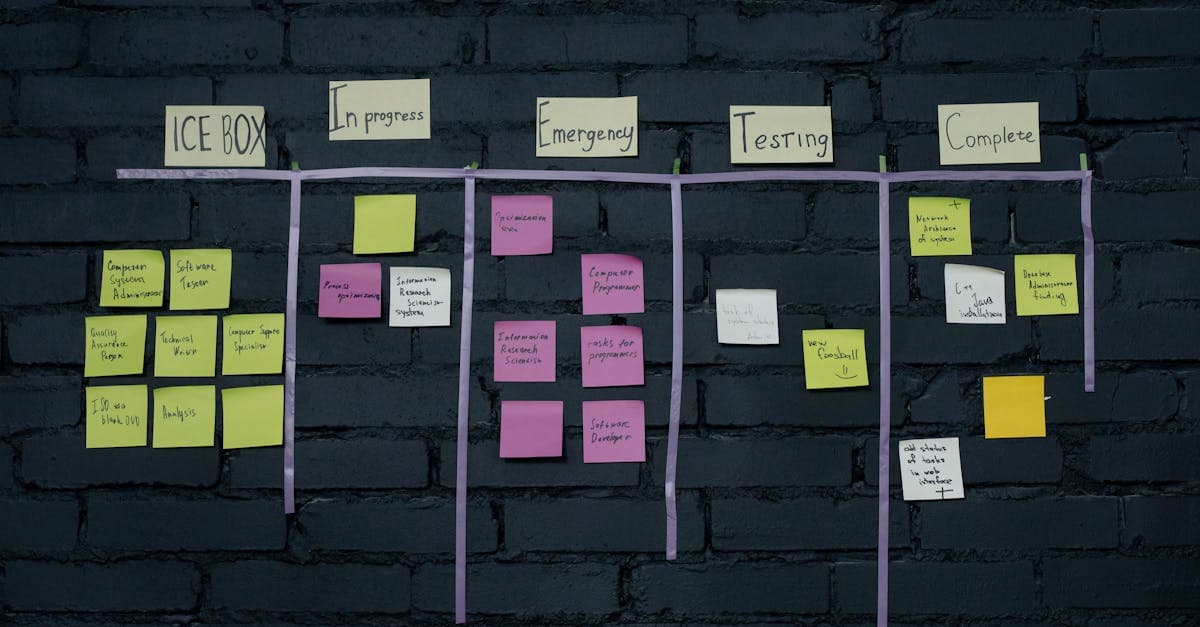
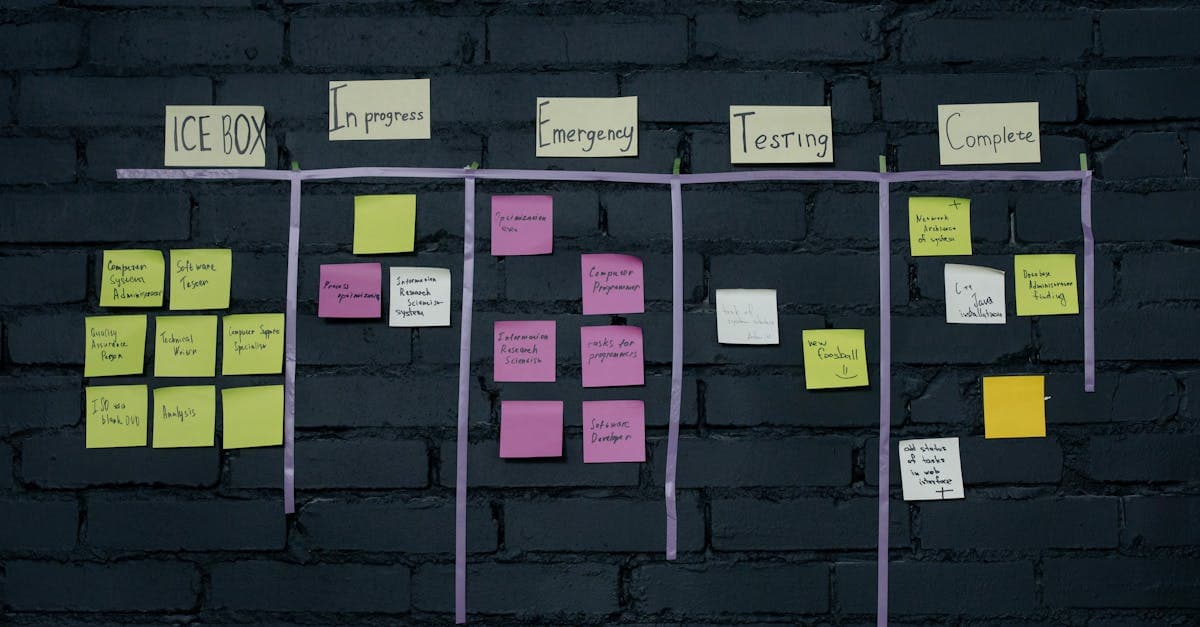
Waste elimination is the central objective of lean manufacturing — the systematic identification and removal of every activity that consumes resources without creating value from the customer's perspective. While the concept sounds straightforward, waste elimination in manufacturing is a disciplined practice that requires specific tools, data, and cultural commitment. This manufacturing glossary entry explains the waste elimination process, shows real-world results, and connects it to scheduling.
What Is Waste Elimination?
Waste elimination starts with a precise definition: waste is any activity the customer would not willingly pay for. The customer pays for the transformation of raw material into a finished product that meets their specifications. Everything else — storing, moving, waiting, inspecting, reworking, searching — is waste.
Lean categorizes waste into seven types, known as Muda:
- Transport (unnecessary material movement)
- Inventory (excess stock at any stage)
- Motion (unnecessary people movement)
- Waiting (idle time between steps)
- Overproduction (making more than needed)
- Overprocessing (doing more than the customer values)
- Defects (scrap and rework)
Plus the eighth waste: underutilized talent (not leveraging employee knowledge and creativity).
Two additional forms complete the picture: Mura (unevenness in workload) and Muri (overburden on people and equipment). These three Ms are interconnected — unevenness causes overburden, which causes waste.
How Waste Elimination Works
Waste elimination follows a structured approach:
Step 1: Make Waste Visible
Most waste is invisible because it has been normalized. Queue times are "just how long things take." Batch sizes are "what we have always run." Value stream mapping is the primary tool for making waste visible by documenting the complete flow and calculating the value-added ratio.
Step 2: Prioritize by Impact
Not all waste is equally damaging. Use Pareto analysis to identify the waste that has the greatest impact on lead time, cost, or quality. Attack the vital few first.
Step 3: Apply the Right Tool
Each waste type has specific countermeasures:
- Overproduction: Pull systems, Kanban, finite capacity scheduling
- Waiting: One-piece flow, cellular manufacturing, balanced work cells
- Transport: Cell layout, co-located operations, reduced lot sizes
- Motion: 5S, ergonomic workplace design, point-of-use storage
- Inventory: JIT, smaller batch sizes, SMED
- Overprocessing: Design for manufacturing, specification review
- Defects: Poka-yoke, Jidoka, source inspection
Step 4: Standardize and Sustain
Document the improved method as standard work. Audit regularly. Use visual management to make deviations obvious. Continue the cycle through Kaizen.
Example with Numbers
A manufacturer of precision aerospace components launched a 12-month waste elimination program across their primary value stream:
- Baseline: Lead time 34 days. Value-added time 7.2 hours. Value-added ratio: 2.6%. WIP: $2.4M. On-time delivery: 71%.
- Month 3 — Overproduction attack: Implemented finite capacity scheduling with RMDB. Work release controlled to match capacity. WIP dropped from $2.4M to $1.6M. Open shop orders decreased from 380 to 220.
- Month 6 — Waiting attack: Combined 3 sequential operations into a manufacturing cell. Queue time between those operations went from 4 days to 2 hours. Lead time dropped to 22 days.
- Month 9 — Setup attack: SMED events on 4 bottleneck machines reduced average changeover from 48 minutes to 16 minutes. Batch sizes decreased by 55%. Lead time dropped to 15 days.
- Month 12 — Flow and pull: Kanban implemented for repetitive subcomponents. One-piece flow established in the assembly cell.
- Final results: Lead time 12 days (65% reduction). WIP $890K (63% reduction). On-time delivery 94%. Scrap reduced by 38%. Floor space freed: 4,200 square feet.
- Cumulative annual savings: $685,000 in inventory carrying costs, overtime, scrap, and expediting.
Why Waste Elimination Matters for Production Scheduling
Waste elimination and scheduling are deeply intertwined:
- Less waste means shorter lead times, giving the scheduler more flexibility to respond to customer changes and urgent orders.
- Less WIP means less congestion, simplifying the scheduling problem because fewer jobs compete for the same resources.
- Less overproduction means accurate schedules. Production scheduling software like RMDB is itself a waste elimination tool — it prevents overproduction by releasing work only when finite capacity exists.
- Scheduling data reveals waste targets: Machine utilization reports, queue time analysis, and bottleneck identification from RMDB tell the lean team exactly where to focus their next waste elimination effort.
The lean manufacturing guide provides a comprehensive roadmap for waste elimination across all seven categories.
Related Terms
- Muda (Waste) — The seven specific categories of waste that waste elimination targets.
- Value Stream Mapping — The diagnostic tool that reveals waste by documenting the complete end-to-end flow.
- Continuous Improvement — The ongoing process that sustains waste elimination through daily improvements and structured events.
See all lean and scheduling terms in the Manufacturing Glossary.
Frequently Asked Questions
Ready to Transform Your Production Scheduling?
User Solutions has been helping manufacturers optimize their production schedules for over 35 years. One-time license, 5-day implementation.

User Solutions Team
Manufacturing Software Experts
User Solutions has been developing production planning and scheduling software for manufacturers since 1991. Our team combines 35+ years of manufacturing software expertise with deep industry knowledge to help factories optimize their operations.
Share this article
Related Articles
What is ABC Analysis? Definition & Manufacturing Examples
Learn what ABC analysis is in inventory management, how the Pareto principle classifies inventory, and why it matters for scheduling.

What is Acceptance Sampling? Definition & Manufacturing Examples
Learn what acceptance sampling is, how it works in manufacturing, and why it matters for production scheduling and quality control decisions.

What is Advanced Planning & Scheduling (APS)? Definition & Manufacturing Examples
Advanced Planning & Scheduling (APS) definition: software that uses algorithms to optimize production schedules against real constraints. Learn how APS works in manufacturing with examples.