
Visual Management: Making Production Status Visible at a Glance
 User Solutions Team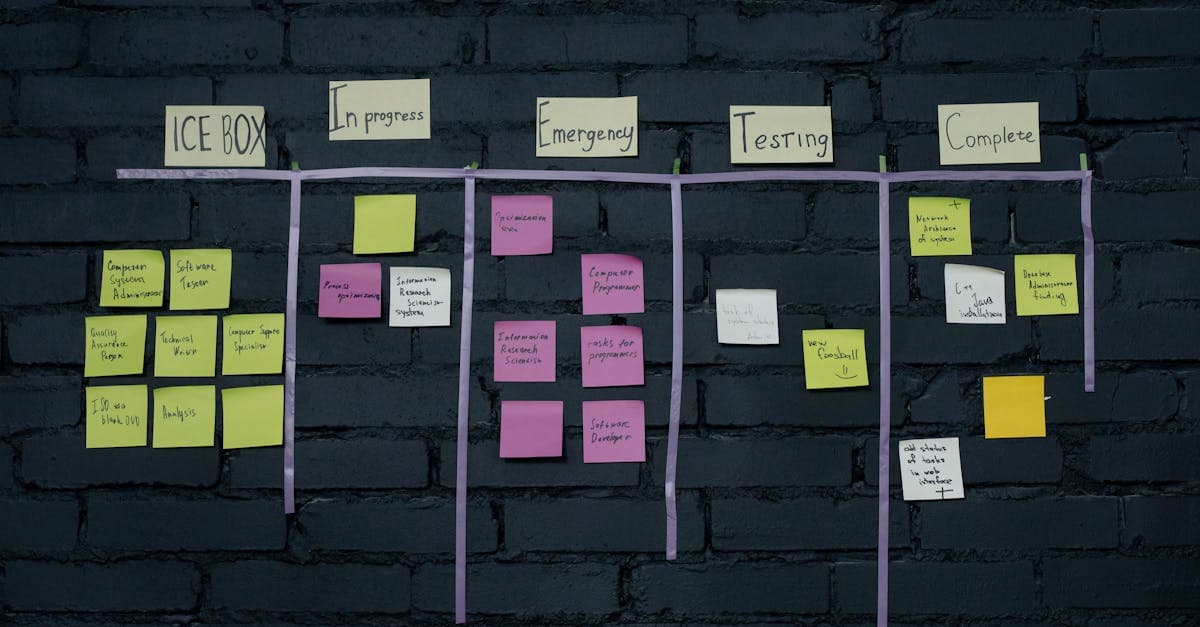
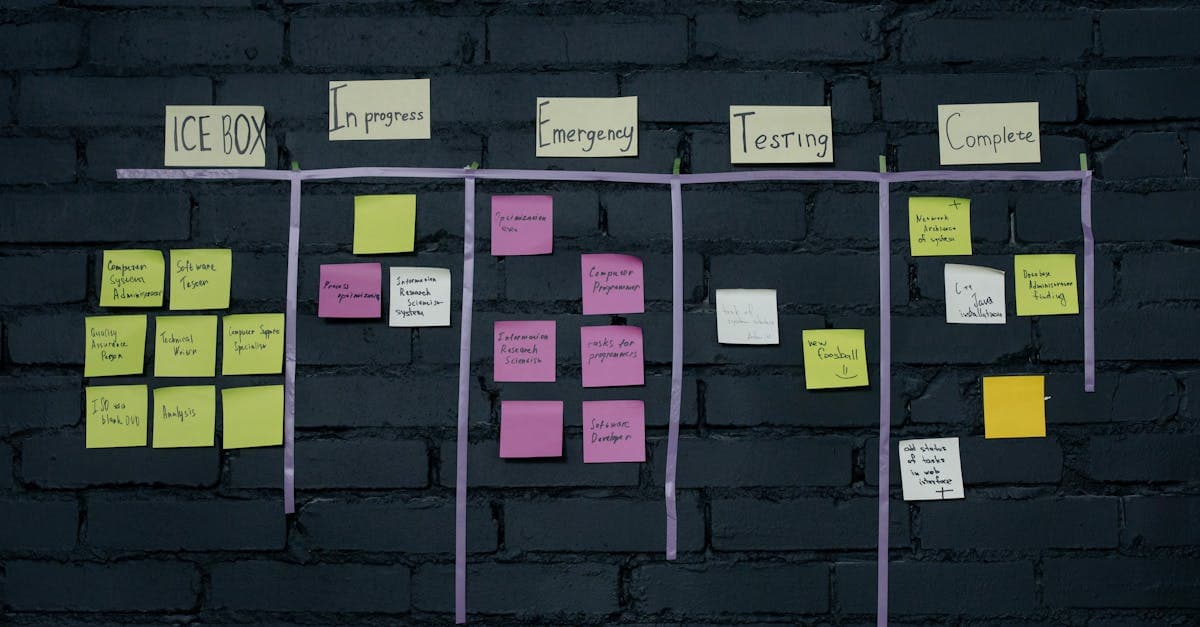
Visual management is a lean manufacturing system that makes production status, standards, and abnormalities visible at a glance — without requiring anyone to open a computer, read a report, or ask a supervisor. In a visual factory, anyone walking the shop floor can instantly understand what is running, what is behind, where problems exist, and what action is needed. This manufacturing glossary entry explains visual management tools, measurable results, and the connection to scheduling.
What Is Visual Management?
Visual management operates on a core lean principle: if you cannot see the problem, you cannot fix it. Traditional factories bury information in ERP systems, spreadsheets, and reports that only managers access. Visual management puts that information where the work happens, in formats that everyone can understand instantly.
A well-implemented visual management system answers five questions at every workstation:
- What should we be producing? (Schedule board, work order display)
- Are we on track? (Planned vs. actual production count)
- Is there a problem? (Andon lights, color-coded status indicators)
- What is the standard? (Standard work documents, quality specifications posted at the station)
- Where are things? (5S labeling, floor markings, shadow boards)
Types of Visual Management Tools
Production Status Displays
Large boards or screens at each work center showing today's schedule, planned output by hour, actual output by hour, and the variance. When actual falls behind planned, the visual makes it impossible to ignore.
Andon Systems
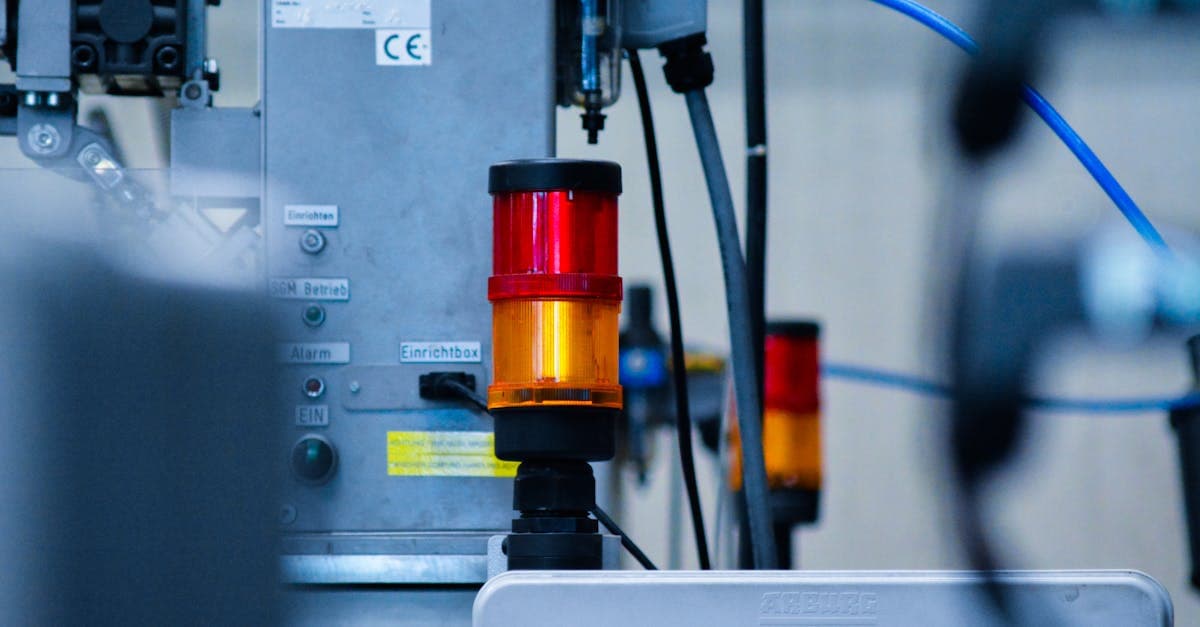
Stack lights on machines indicating green (running), yellow (attention needed), or red (stopped). Overhead Andon boards showing the status of every station on a line. These provide real-time status to supervisors and support teams.
Kanban Signals
Kanban cards, colored bins, and marked floor squares that control material flow visually. An empty square means "replenish." A full square means "stop producing."
Floor Markings and Labels
Painted lanes for material flow, labeled staging areas for WIP, color-coded zones for different product families, and shadow boards for tools. These create a self-explaining workplace.
Performance Boards
Daily management boards in each area showing key metrics: safety incidents, quality defects, delivery performance, and productivity. Updated by the team at daily huddles.
Example with Numbers
A manufacturer of industrial pumps implemented a comprehensive visual management system across their 65-person shop:
- Production tracking boards at each work center (12 stations): Within 30 days, supervisors were identifying output shortfalls by 10:00 AM instead of discovering them in the end-of-day report. Response time to problems improved from 4 hours to 45 minutes.
- Andon lights on all CNC machines: Machine status was visible across the shop. Maintenance response time to breakdowns dropped from 18 minutes to 6 minutes because technicians could see the red light from anywhere.
- Floor markings for WIP staging: Maximum WIP per work center was defined and marked. When WIP exceeded the marked area, it was visually obvious — triggering an investigation into the upstream cause. Average WIP dropped by 28%.
- Daily management boards: Quality defect identification improved by 35% because daily metric reviews surfaced patterns that monthly reports missed.
- Overall results: On-time delivery improved from 81% to 93%. Schedule adherence improved from 76% to 91%. The investment — boards, lights, paint, and signage — totaled $14,000.
Why Visual Management Matters for Production Scheduling
Visual management closes the gap between the schedule on screen and the reality on the floor:
- Real-time feedback: Production tracking boards show whether the schedule is being executed as planned. When variances appear early in the shift, supervisors can take corrective action before the entire day's schedule is compromised.
- Schedule visibility on the floor: When operators can see the day's schedule posted at their station — not buried in an ERP transaction — they can plan their work, anticipate changeovers, and flag potential problems proactively.
- Production scheduling software like RMDB generates the schedule; visual management executes it. The best schedule in the world fails if shop floor personnel cannot see it, understand it, and act on it.
- WIP control: Visual WIP limits prevent the shop floor from becoming congested with excess work that the schedule did not authorize.
- Problem visibility: Visual abnormalities trigger immediate response, preventing the small issues that escalate into schedule-breaking disruptions.
The lean manufacturing guide describes visual management as the nervous system of a lean factory — carrying signals that keep every process coordinated and every problem visible.
Related Terms
- Andon — The specific visual signaling system for alerting teams to production problems and machine status.
- 5S — The workplace organization methodology that provides the foundation for visual management through labeling, marking, and standardization.
- Kanban — The visual pull system that controls material flow using cards, bins, and marked staging areas.
See all lean and scheduling terms in the Manufacturing Glossary.
Frequently Asked Questions
Ready to Transform Your Production Scheduling?
User Solutions has been helping manufacturers optimize their production schedules for over 35 years. One-time license, 5-day implementation.

User Solutions Team
Manufacturing Software Experts
User Solutions has been developing production planning and scheduling software for manufacturers since 1991. Our team combines 35+ years of manufacturing software expertise with deep industry knowledge to help factories optimize their operations.
Share this article
Related Articles

What is ABC Analysis? Definition & Manufacturing Examples
Learn what ABC analysis is in inventory management, how the Pareto principle classifies inventory, and why it matters for scheduling.

What is Acceptance Sampling? Definition & Manufacturing Examples
Learn what acceptance sampling is, how it works in manufacturing, and why it matters for production scheduling and quality control decisions.
What is Advanced Planning & Scheduling (APS)? Definition & Manufacturing Examples
Advanced Planning & Scheduling (APS) definition: software that uses algorithms to optimize production schedules against real constraints. Learn how APS works in manufacturing with examples.