

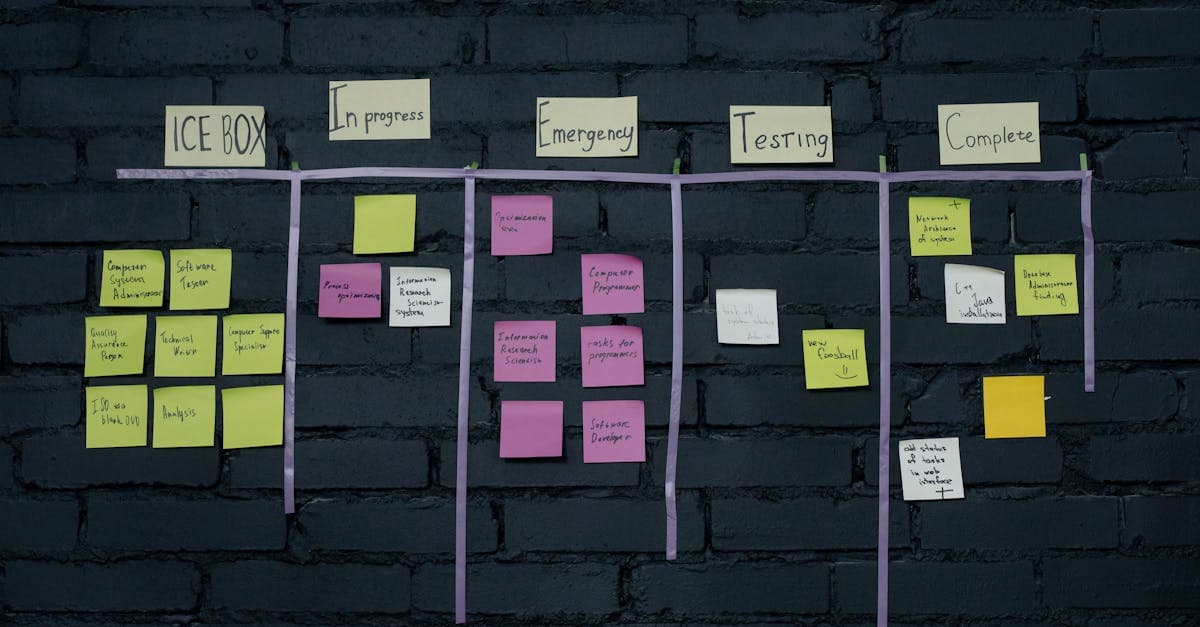
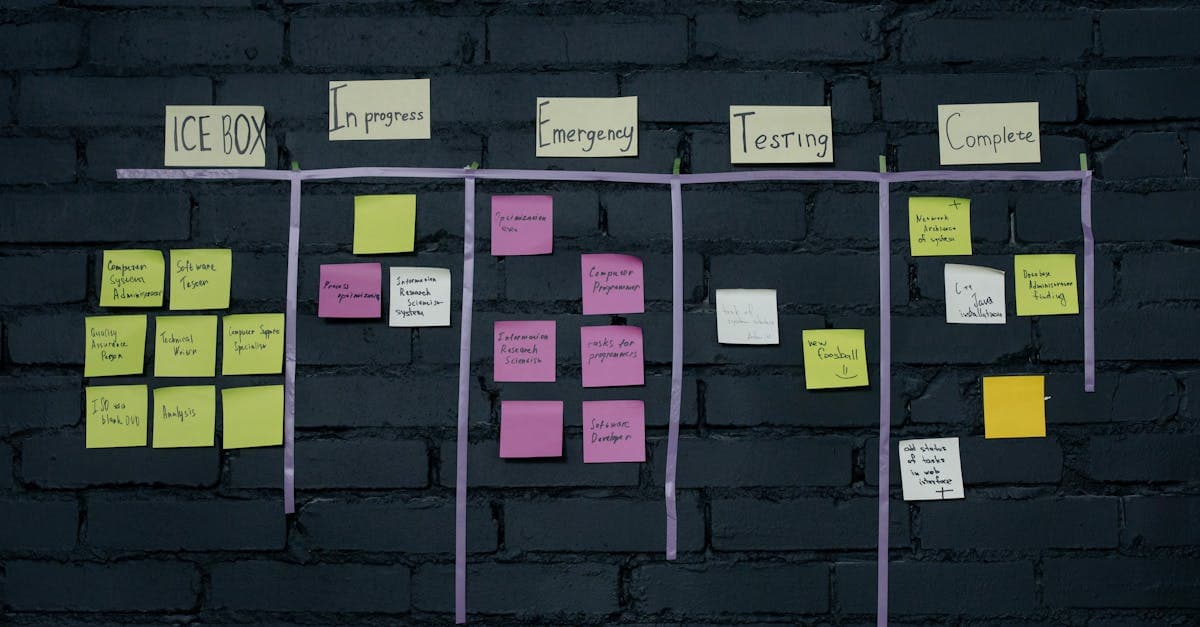
A value stream is the complete set of activities — both value-adding and non-value-adding — required to bring a product from raw material to the customer's hands. Understanding the value stream is the second of the five lean principles and the prerequisite for meaningful waste elimination. This manufacturing glossary entry explains the concept, shows how it reveals hidden waste, and connects it to production scheduling.
What Is a Value Stream?
Most manufacturers think in terms of departments: machining, welding, assembly, shipping. Lean manufacturing thinks in terms of value streams: the end-to-end flow of materials and information from order receipt to delivery.
A value stream includes:
- Information flow: How customer orders enter the system, how production is planned and scheduled, how instructions reach the shop floor
- Material flow: How raw materials are received, stored, processed through each operation, inspected, packaged, and shipped
- Time: How long each step takes and — critically — how long materials wait between steps
The value stream perspective is powerful because it reveals waste that departmental thinking hides. Each department may be locally efficient, but the overall value stream is often shockingly wasteful. The classic finding: value-added time represents only 1-5% of total lead time. The other 95-99% is waiting, moving, storing, and inspecting.
How Value Stream Thinking Works
Value stream analysis begins by grouping products into families that share similar processing steps and resources. A factory producing 200 part numbers might have only 3-4 distinct value streams when grouped by common routings.
For each value stream, you map three things:
- Current state: Every step, every queue, every information flow as it exists today. Value stream mapping (VSM) is the tool for this.
- Value-added vs. non-value-added: Each step is classified. In a typical current-state map, less than 5% of total lead time is value-added processing.
- Future state: The redesigned value stream with waste removed, flow established, and pull implemented.
Example with Numbers
A manufacturer of precision gearboxes mapped their primary value stream (representing 65% of revenue):
- Total lead time: 32 days from order receipt to shipment.
- Value-added processing time: 6.8 hours across all operations.
- Value-added ratio: 6.8 hours / (32 days x 8 hours) = 2.7%. The other 97.3% was waiting in queues, being transported, sitting in WIP buffers, or waiting for information.
- Key waste points identified: 8 days waiting for material release. 6 days in queue before the bottleneck CNC operation. 4 days waiting for quality approval. 3 days in finished goods before shipping.
- After redesigning the value stream: Lead time dropped to 11 days. Value-added ratio improved to 7.7%. WIP inventory decreased by $480,000. On-time delivery improved from 74% to 92%.
The improvements came from attacking the queues and waits between operations — the waste that was invisible when each department was measured in isolation.
Why Value Streams Matter for Production Scheduling
Value stream thinking transforms how manufacturers approach scheduling:
- End-to-end visibility: Production scheduling software like RMDB schedules the entire value stream, not just individual departments. This prevents local optimization that creates downstream bottlenecks.
- Queue time reduction: Once the value stream map reveals where time is wasted in queues, the scheduler can tighten planned queue allowances and release work more precisely.
- Bottleneck focus: The value stream perspective identifies the constraint resource that limits overall throughput. The scheduler protects this resource with buffer management and priority rules.
- Flow-based scheduling: Instead of scheduling each department independently, the scheduler synchronizes the entire value stream so that materials flow from operation to operation without excessive waiting.
- Meaningful metrics: Value stream metrics like dock-to-dock time, inventory turns, and value-added ratio give schedulers targets that matter — not just machine utilization percentages.
The lean manufacturing guide describes value stream identification as the essential second step in lean implementation — before you can improve flow, you must see the entire stream.
Related Terms
- Value Stream Mapping (VSM) — The visual tool used to document and analyze the current and future state of a value stream.
- Waste Elimination — The process of removing non-value-added activities revealed by value stream analysis.
- Lean Manufacturing — The broader production philosophy that value stream thinking supports as the second of five lean principles.
See all lean and scheduling terms in the Manufacturing Glossary.
Frequently Asked Questions
Ready to Transform Your Production Scheduling?
User Solutions has been helping manufacturers optimize their production schedules for over 35 years. One-time license, 5-day implementation.

User Solutions Team
Manufacturing Software Experts
User Solutions has been developing production planning and scheduling software for manufacturers since 1991. Our team combines 35+ years of manufacturing software expertise with deep industry knowledge to help factories optimize their operations.
Share this article
Related Articles
What is ABC Analysis? Definition & Manufacturing Examples
Learn what ABC analysis is in inventory management, how the Pareto principle classifies inventory, and why it matters for scheduling.
What is Acceptance Sampling? Definition & Manufacturing Examples
Learn what acceptance sampling is, how it works in manufacturing, and why it matters for production scheduling and quality control decisions.

What is Advanced Planning & Scheduling (APS)? Definition & Manufacturing Examples
Advanced Planning & Scheduling (APS) definition: software that uses algorithms to optimize production schedules against real constraints. Learn how APS works in manufacturing with examples.