

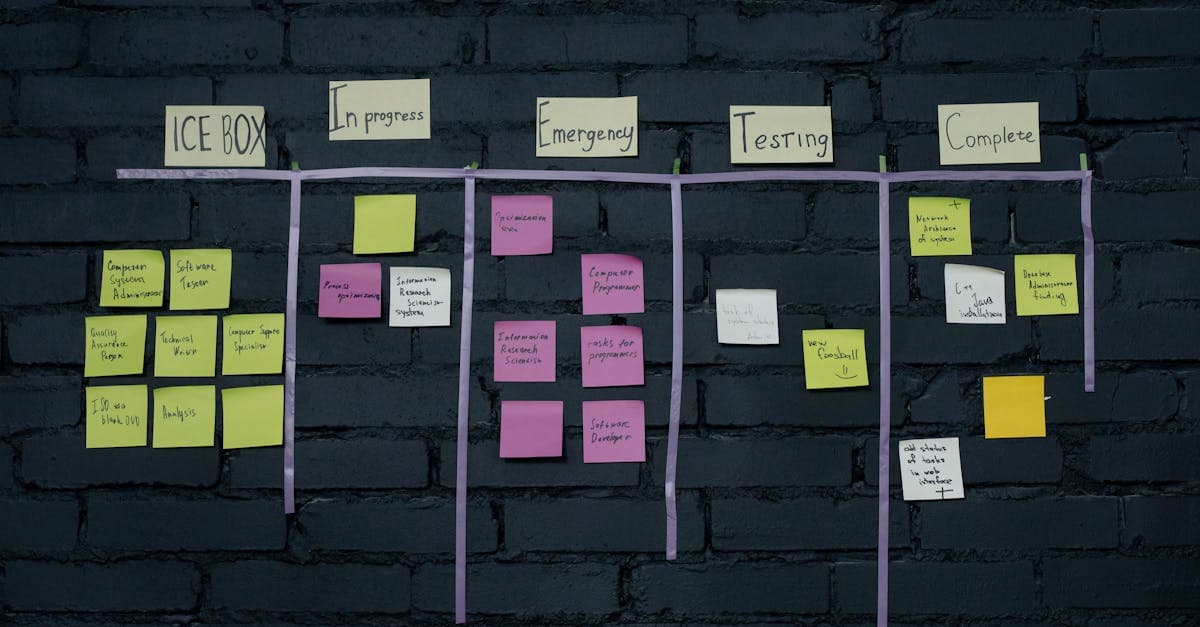
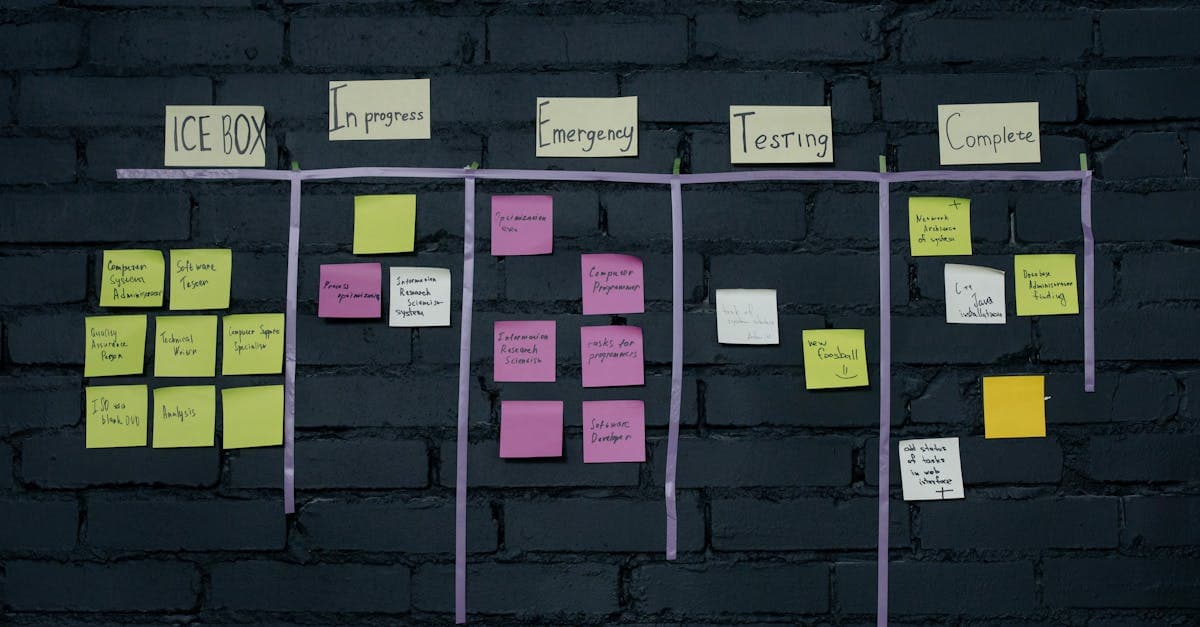
A push system is a manufacturing production control method where work is scheduled and released based on forecasts, MRP calculations, or master production schedules rather than actual downstream consumption. In a push system, materials are "pushed" through the factory according to a predetermined plan. This manufacturing glossary entry explains how push systems work, their advantages and limitations, and why modern manufacturers often blend push with pull approaches.
What Is a Push System?
In a push system, production decisions are made centrally — typically by a planning department using MRP (Material Requirements Planning) or ERP software. The system calculates what to produce, when to produce it, and in what quantity based on:
- Sales forecasts
- Customer orders already received
- Bill of materials (BOM) requirements
- Current inventory levels
- Lead times for purchased and manufactured items
The resulting production orders are "pushed" to the shop floor according to the schedule. Each work center processes its assigned orders and pushes the output to the next operation, regardless of whether that operation is ready for it.
This is how the vast majority of manufacturing has operated for decades — and it works reasonably well for certain environments.
How Push Systems Work in Practice
A typical push system cycle:
- Demand planning generates a forecast for the next 3 to 12 months.
- Master Production Schedule (MPS) converts the forecast into a production plan by time period.
- MRP explosion breaks the MPS into component requirements, netting against inventory and generating planned purchase orders and production orders.
- Order release: Production orders are released to the shop floor with due dates.
- Execution: Work centers process orders in due-date or priority sequence. Completed work is pushed to the next operation.
The fundamental assumption: the forecast is accurate enough that building to plan will meet actual demand. This assumption holds reasonably well for stable, repetitive products with predictable demand.
Where Push Systems Struggle
Push systems create problems when:
- Forecasts are wrong (they always are to some degree): Overforecasting creates excess inventory; underforecasting creates stockouts.
- Too much work is released at once: When MRP releases all orders based on planned start dates without considering current shop floor conditions, WIP explodes. Twenty jobs competing for the same machine create queues, confusion, and expediting.
- Batch sizes are large: Large batches pushed through the system create lumpy demand on downstream operations, causing alternating overload and starvation.
- No feedback loop: Push systems do not inherently respond to shop floor conditions. If a machine breaks down, the upstream operations keep pushing work — building WIP that has nowhere to go.
Example with Numbers
A make-to-stock manufacturer of industrial fittings compared their push-based performance to results after adding finite capacity scheduling and selective pull controls:
- Under pure push (MRP-driven): Average WIP was $1.8M. Lead time averaged 18 days. On-time delivery was 76%. Overtime averaged 15% of total hours. The shop floor had 340 open work orders at any given time.
- After implementing RMDB finite capacity scheduling: Work release was controlled — only orders that could start within capacity constraints were released. Open work orders on the floor dropped from 340 to 140. WIP fell to $980K. Lead time shortened to 10 days. On-time delivery improved to 91%.
- After adding Kanban pull for top 50 repetitive part numbers: Those items were removed from the MRP-driven push system entirely. WIP for Kanban items dropped an additional 40%. Overall on-time delivery reached 94%.
The improvement came not from abandoning push entirely, but from controlling it with finite capacity constraints and complementing it with pull where appropriate.
Why Push Systems Matter for Production Scheduling
Understanding push systems is essential for schedulers:
- Most ERP systems are push-based: MRP generates production orders based on planned dates. Without finite capacity scheduling overlaid on MRP, the push system will overload the shop floor.
- Production scheduling software like RMDB adds intelligence to push: Instead of releasing everything MRP calculates, RMDB applies capacity constraints to determine when work should actually be released — converting a naive push into a controlled, capacity-aware release.
- Hybrid is usually best: Use push (MRP) for planning, purchasing, and long-lead-time activities. Use pull (Kanban) for repetitive shop floor execution. Use finite scheduling (RMDB) to control the boundary between planning and execution.
- WIP control is the key: The biggest scheduling improvement in a push environment is controlling how much work hits the floor simultaneously.
The lean manufacturing guide explains the evolution from push to pull and how finite capacity scheduling bridges the gap.
Related Terms
- Pull System — The demand-driven alternative to push, where production is triggered by actual consumption rather than forecasts.
- Kanban — The visual signaling system that implements pull on the shop floor, often replacing push-based production orders for repetitive items.
- Work-in-Progress (WIP) — The inventory that accumulates when push systems release more work than the shop floor can process.
See all lean and scheduling terms in the Manufacturing Glossary.
Frequently Asked Questions
Ready to Transform Your Production Scheduling?
User Solutions has been helping manufacturers optimize their production schedules for over 35 years. One-time license, 5-day implementation.

User Solutions Team
Manufacturing Software Experts
User Solutions has been developing production planning and scheduling software for manufacturers since 1991. Our team combines 35+ years of manufacturing software expertise with deep industry knowledge to help factories optimize their operations.
Share this article
Related Articles

What is ABC Analysis? Definition & Manufacturing Examples
Learn what ABC analysis is in inventory management, how the Pareto principle classifies inventory, and why it matters for scheduling.

What is Acceptance Sampling? Definition & Manufacturing Examples
Learn what acceptance sampling is, how it works in manufacturing, and why it matters for production scheduling and quality control decisions.

What is Advanced Planning & Scheduling (APS)? Definition & Manufacturing Examples
Advanced Planning & Scheduling (APS) definition: software that uses algorithms to optimize production schedules against real constraints. Learn how APS works in manufacturing with examples.