

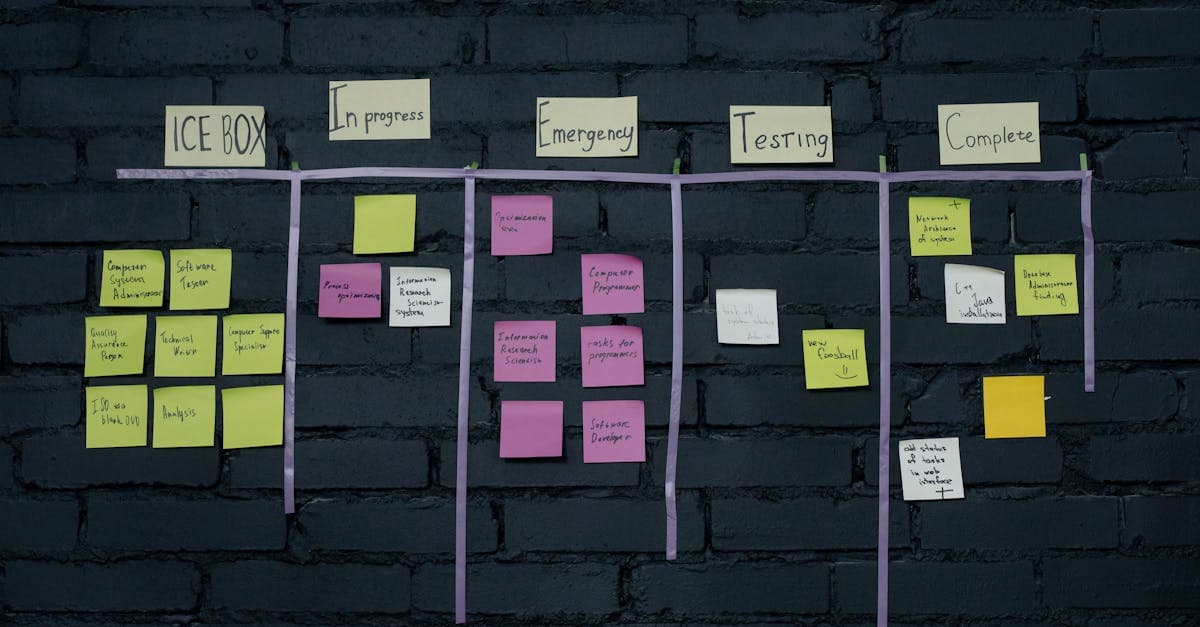
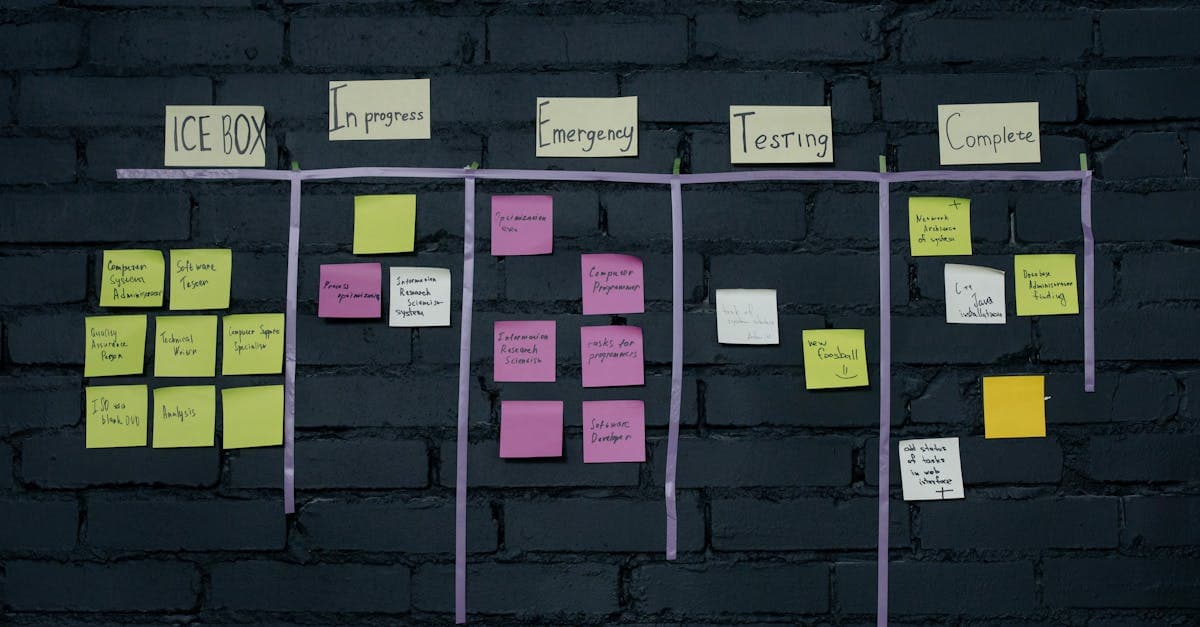
The PDCA cycle — Plan, Do, Check, Act — is the foundational framework for continuous improvement in lean manufacturing. Also known as the Deming Cycle or Shewhart Cycle, PDCA provides a structured, scientific method for testing changes, measuring results, and standardizing improvements. This manufacturing glossary entry explains each step, shows a real-world application, and connects PDCA to production scheduling.
What Is the PDCA Cycle?
PDCA is a repeating four-step problem-solving method:
Plan
Identify the problem, analyze root causes, and develop a hypothesis for improvement. This is the most important step — a poorly defined problem leads to wasted effort in every subsequent step.
- Define the gap between current performance and the target
- Collect data on the current state (cycle times, defect rates, downtime hours)
- Analyze root causes using tools like 5-why analysis, fishbone diagrams, or Pareto charts
- Develop a specific, measurable countermeasure
- Predict what the results should be if the countermeasure works
Do
Implement the countermeasure on a small scale — one machine, one shift, one product line. This is a test, not a full rollout. Small-scale implementation limits risk and accelerates learning.
Check
Measure the results and compare them to the prediction made in the Plan step. Did the change produce the expected improvement? Was the root cause correct? Were there unintended side effects?
This step requires honest evaluation. If the results do not match the prediction, the root cause analysis was incomplete — which is valuable learning, not failure.
Act
Based on the Check results, take one of two actions:
- Standardize: If the change worked, make it the new standard. Update standard work documents, train all operators, and establish visual controls to sustain the improvement.
- Adjust: If the change did not work as expected, refine the hypothesis and cycle back to Plan with new insights.
The cycle then repeats — either improving on the successful change or addressing the next problem. PDCA never ends because there is always another opportunity for improvement.
How PDCA Works in Practice
A typical PDCA cycle on the shop floor:
Plan: CNC work center #3 has the highest scrap rate in the shop — 4.1% versus a target of 1.5%. Pareto analysis shows that 68% of scrap comes from one defect type: out-of-tolerance bore diameter. Root cause analysis reveals that the boring bar deflects when cutting depth exceeds 0.080 inches, which happens on 3 of the 12 part numbers run on this machine.
Do: For one week, the three affected part numbers are programmed with two lighter passes (0.050 inch each) instead of one heavy pass. Setup sheets are updated. The operator is briefed.
Check: After one week, scrap rate on the three parts dropped from 6.8% to 0.7%. Overall work center scrap rate dropped from 4.1% to 1.9%. Cycle time increased by 22 seconds per part due to the extra pass — a manageable trade-off.
Act: The two-pass approach is standardized for all parts with bore depths exceeding 0.080 inches. CNC programs are updated permanently. Setup sheets are revised. The 22-second cycle time increase is updated in the scheduling system to maintain accurate capacity planning.
Example with Numbers
A manufacturer of hydraulic fittings used PDCA to address chronic late deliveries on their highest-volume product family:
- Plan: On-time delivery was 71%. Analysis showed that 60% of late orders were delayed at the heat treat operation — a bottleneck with 3-day queues. Root cause: large batch transfers (100-piece lots) created artificial queues.
- Do: For 4 weeks, transfer batch size was reduced from 100 to 25 pieces on 5 selected part numbers. Parts moved downstream in groups of 25 instead of waiting for the full 100.
- Check: Queue time at heat treat dropped from 3 days to 0.8 days for the test parts. On-time delivery for those parts improved from 71% to 89%. WIP decreased by $42,000.
- Act: Transfer batch reduction was standardized across all product families. RMDB scheduling parameters were updated to reflect the smaller transfer quantities. On-time delivery reached 92% within 90 days.
Why PDCA Matters for Production Scheduling
PDCA and scheduling form a continuous feedback loop:
- Scheduling data identifies targets: Production scheduling software like RMDB reveals which operations are bottlenecks, where queues build, and where schedules consistently miss — providing the "Plan" data for PDCA cycles.
- PDCA improves scheduling accuracy: Each successful cycle that reduces variability, shortens setup times, or improves yield makes future schedules more achievable.
- Rapid iteration: Short PDCA cycles align with the weekly or daily scheduling cadence, allowing improvements to be reflected in the next schedule revision.
The lean manufacturing guide describes PDCA as the scientific method of manufacturing improvement — disciplined, data-driven, and endlessly repeating.
Related Terms
- Kaizen — The continuous improvement philosophy that PDCA provides the structured methodology for.
- Continuous Improvement — The broader principle of ongoing enhancement that PDCA operationalizes.
- Standard Work — The documented best practice that is updated each time a PDCA cycle produces a verified improvement.
See all lean and scheduling terms in the Manufacturing Glossary.
Frequently Asked Questions
Ready to Transform Your Production Scheduling?
User Solutions has been helping manufacturers optimize their production schedules for over 35 years. One-time license, 5-day implementation.

User Solutions Team
Manufacturing Software Experts
User Solutions has been developing production planning and scheduling software for manufacturers since 1991. Our team combines 35+ years of manufacturing software expertise with deep industry knowledge to help factories optimize their operations.
Share this article
Related Articles

What is ABC Analysis? Definition & Manufacturing Examples
Learn what ABC analysis is in inventory management, how the Pareto principle classifies inventory, and why it matters for scheduling.

What is Acceptance Sampling? Definition & Manufacturing Examples
Learn what acceptance sampling is, how it works in manufacturing, and why it matters for production scheduling and quality control decisions.

What is Advanced Planning & Scheduling (APS)? Definition & Manufacturing Examples
Advanced Planning & Scheduling (APS) definition: software that uses algorithms to optimize production schedules against real constraints. Learn how APS works in manufacturing with examples.