

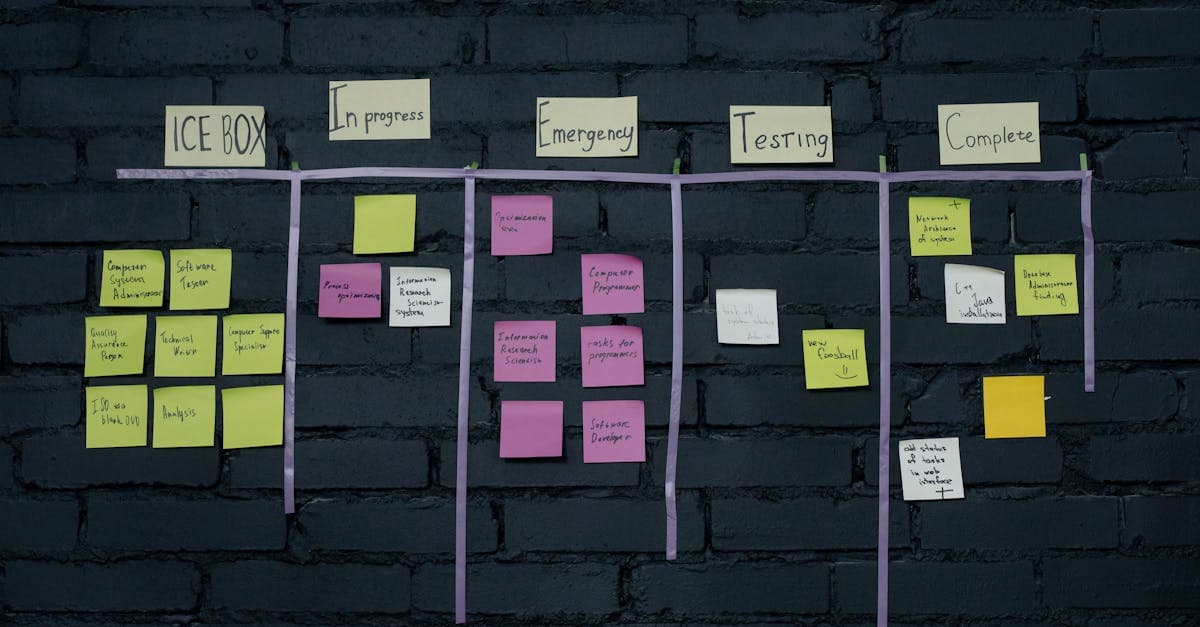
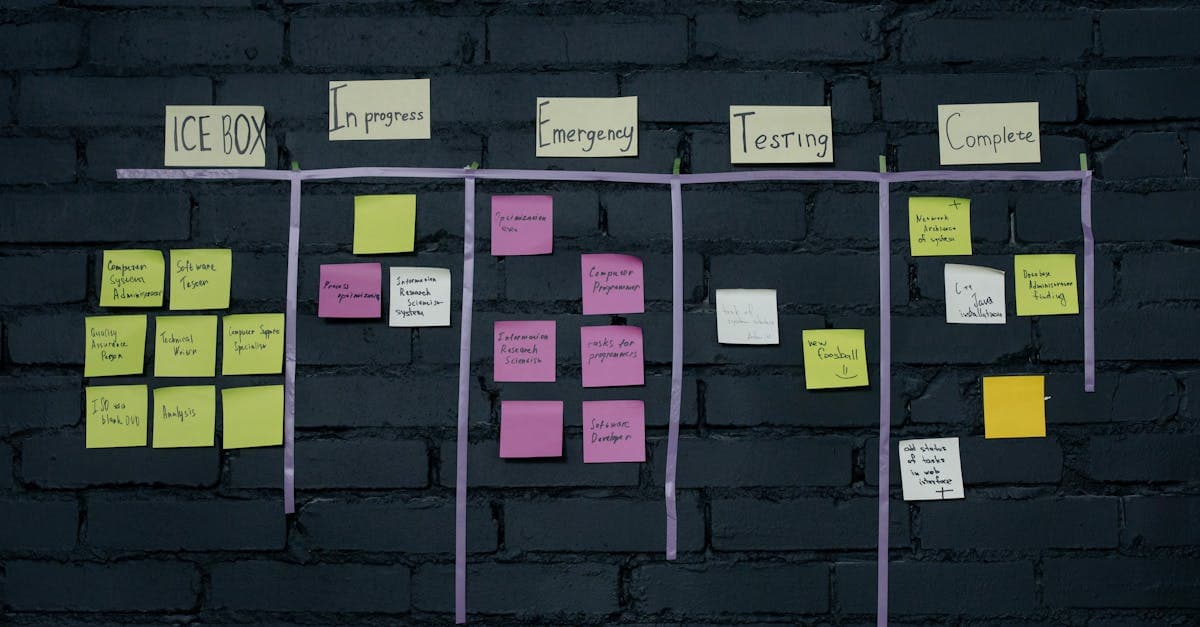
One-piece flow is the lean manufacturing ideal of producing and moving one unit at a time through each process step, rather than processing items in batches. Also called single-piece flow or continuous flow, this concept eliminates the waiting, inventory, and quality risks inherent in batch production. This manufacturing glossary entry explains how one-piece flow works, provides measurable results, and shows its impact on scheduling.
What Is One-Piece Flow?
In traditional batch manufacturing, an operator processes an entire batch — say 50 units — at one station before moving all 50 to the next station. The second station cannot start until the entire batch arrives. This creates massive wait times: unit #1 waits for units #2 through #50 to finish before it can move forward.
One-piece flow eliminates this wait. Each workstation processes one unit and immediately passes it to the next. The production cell is arranged so that machines and workstations are close together, often in a U-shape, minimizing transport distance.
The mathematics are compelling. Consider a 4-operation process where each operation takes 2 minutes:
- Batch of 50: Unit #1 finishes all 4 operations in 8 minutes, but it cannot ship until the entire batch completes: 50 x 2 = 100 minutes at each station x 4 stations = 400 minutes total batch lead time.
- One-piece flow: Unit #1 passes through all 4 operations in 8 minutes. By the time unit #50 finishes, total elapsed time is approximately 108 minutes. Lead time drops from 400 minutes to 108 minutes — a 73% reduction.
How One-Piece Flow Works in Practice
Implementing one-piece flow requires:
- Cell layout: Arrange machines and workstations in sequence, close together, typically in a U-shaped cell. Operators work inside the U, moving parts from one operation to the next by hand.
- Balanced cycle times: Each operation in the cell should take approximately the same time. If one station takes 4 minutes and another takes 1 minute, the slower station becomes a bottleneck. Standard work and work rebalancing address this.
- Quick changeovers: One-piece flow with long changeovers defeats the purpose. SMED reduces changeover time so that small-lot or single-piece runs are economical.
- Reliable equipment: A machine breakdown in a flow cell stops the entire cell immediately because there is no buffer inventory. TPM is essential.
- In-process quality: Defects must be caught immediately. With no batch buffer, a defective part is obvious at the next station. Jidoka and poka-yoke prevent defects from being produced.
Example with Numbers
A manufacturer of industrial control panels converted from batch production to one-piece flow in their assembly department:
- Lead time through assembly dropped from 5 days (batch of 20) to 4 hours (one-piece flow) — a 97% reduction.
- WIP in assembly decreased from 80 panels to 4 panels at any given time, freeing $156,000 in working capital.
- Floor space reduced by 45% as WIP staging areas were eliminated and workstations were consolidated into a compact U-cell.
- Defects found at final test dropped by 62%. In batch mode, assembly errors compounded across 20 units before detection. In flow mode, errors were caught at the very next station.
- First-unit lead time (time for the customer's first panel to ship) dropped from 5 days to same-day, dramatically improving responsiveness to urgent orders.
Why One-Piece Flow Matters for Production Scheduling
One-piece flow simplifies scheduling and improves schedule reliability:
- Shorter lead times give the scheduler more flexibility to respond to customer priority changes. A 4-hour manufacturing lead time versus a 5-day lead time means orders can be scheduled much closer to the ship date.
- Less WIP means fewer jobs competing for resources. The scheduling problem becomes simpler because the shop is less congested.
- Predictable throughput: Flow cells produce at a consistent rate (takt time), making output predictable. Production scheduling software like RMDB can schedule flow cells with high confidence in completion times.
- Reduced scheduling granularity: Instead of tracking each batch through multiple operations, the scheduler manages the cell as a single entity with a known throughput rate.
- Faster feedback: When a quality issue or material shortage affects a flow cell, it is immediately visible — enabling same-day schedule adjustments instead of discovering problems days later.
The lean manufacturing guide describes one-piece flow as the ideal state that all lean tools work toward — the complete elimination of batch-and-queue waste.
Related Terms
- Cellular Manufacturing — The physical layout strategy that enables one-piece flow by grouping machines and workstations into dedicated cells.
- Flow Production — The broader production strategy based on continuous movement of products through operations with minimal interruption.
- Work-in-Progress (WIP) — The inventory that one-piece flow minimizes by eliminating inter-operation batching and queues.
See all lean and scheduling terms in the Manufacturing Glossary.
Frequently Asked Questions
Ready to Transform Your Production Scheduling?
User Solutions has been helping manufacturers optimize their production schedules for over 35 years. One-time license, 5-day implementation.

User Solutions Team
Manufacturing Software Experts
User Solutions has been developing production planning and scheduling software for manufacturers since 1991. Our team combines 35+ years of manufacturing software expertise with deep industry knowledge to help factories optimize their operations.
Share this article
Related Articles

What is ABC Analysis? Definition & Manufacturing Examples
Learn what ABC analysis is in inventory management, how the Pareto principle classifies inventory, and why it matters for scheduling.
What is Acceptance Sampling? Definition & Manufacturing Examples
Learn what acceptance sampling is, how it works in manufacturing, and why it matters for production scheduling and quality control decisions.
What is Advanced Planning & Scheduling (APS)? Definition & Manufacturing Examples
Advanced Planning & Scheduling (APS) definition: software that uses algorithms to optimize production schedules against real constraints. Learn how APS works in manufacturing with examples.