

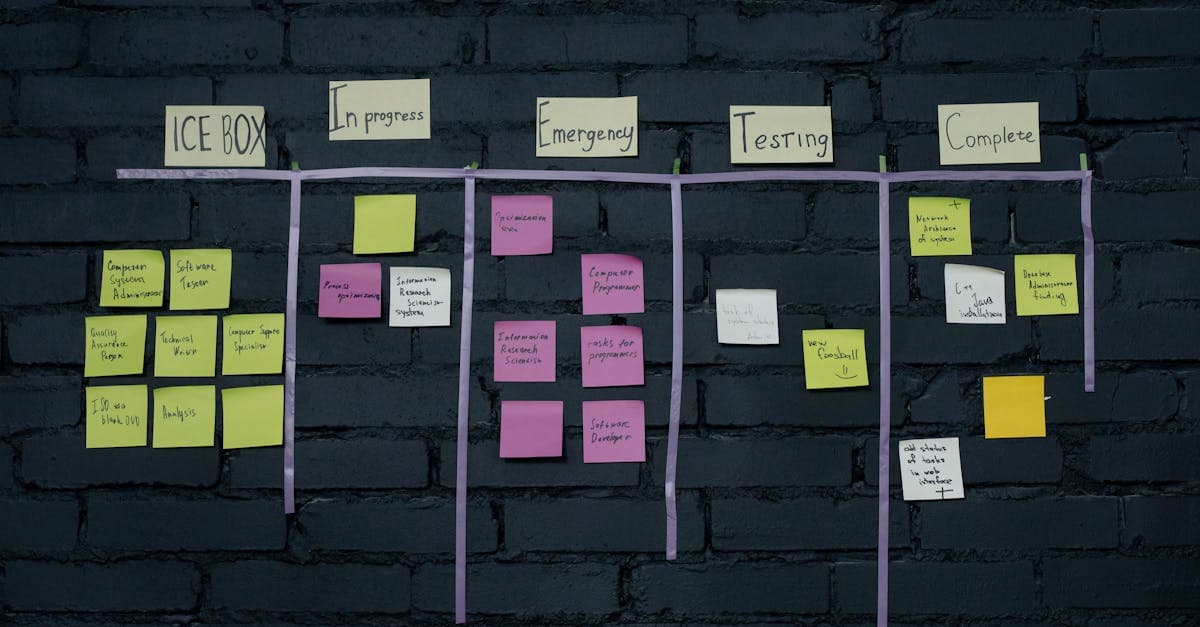
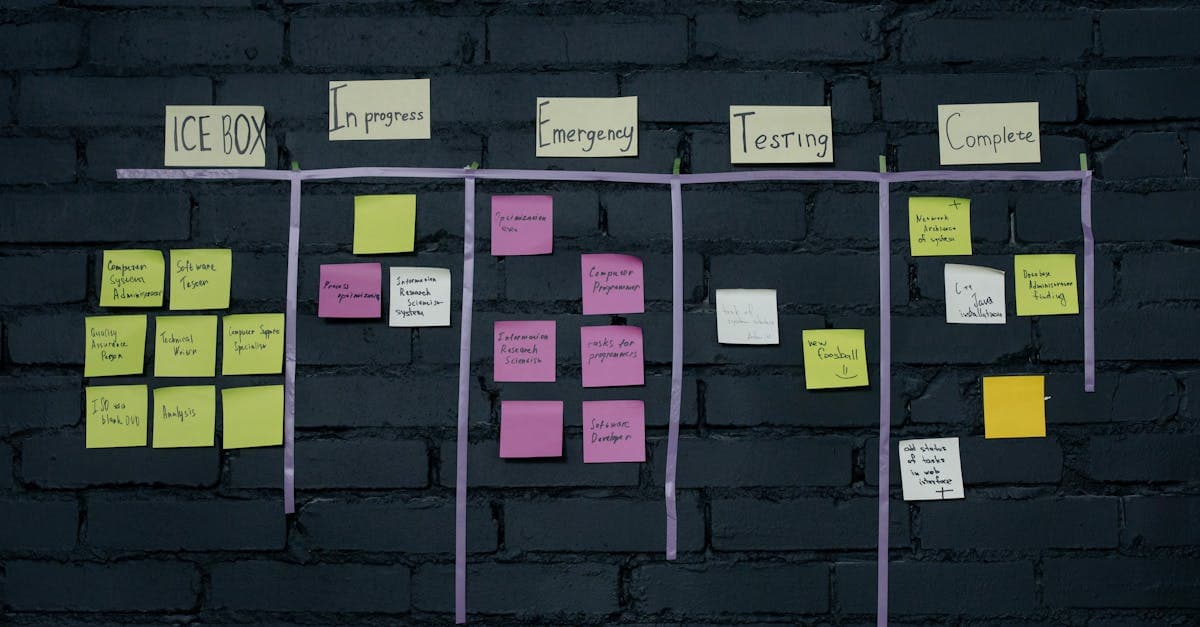
Muda is the Japanese word for waste and one of the most fundamental concepts in lean manufacturing. Along with Mura (unevenness) and Muri (overburden), Muda forms the "three Ms" that lean seeks to eliminate from every manufacturing process. This manufacturing glossary entry defines all seven types of Muda, shows their real-world cost, and explains why identifying waste is the first step to better scheduling.
What Is Muda?
Muda is any activity that consumes resources — time, materials, labor, floor space, energy — without creating value from the customer's perspective. The customer pays you to transform raw materials into finished products that meet their specifications. Every other activity is waste.
Lean distinguishes between two types of Muda:
- Type 1 Muda: Non-value-added but currently necessary. Examples: regulatory inspections, machine setup time, material handling between operations. These cannot be eliminated immediately but should be minimized.
- Type 2 Muda: Pure waste with no justification. Examples: rework from preventable defects, excess inventory from overproduction, operators walking across the shop for tools. These should be eliminated as fast as possible.
The Seven Wastes
1. Transport
Unnecessary movement of materials between operations, buildings, or storage locations. Every time material moves, there is risk of damage, delay, and cost — but no value is added. A part machined in Building A, moved to Building B for treatment, then back to Building A for assembly is transported twice without gaining value.
2. Inventory
Excess stock at any stage: raw materials, work-in-progress, or finished goods beyond what is immediately needed. Inventory ties up cash, consumes floor space, hides quality problems, and risks obsolescence.
3. Motion
Unnecessary movement of people: walking to find tools, reaching for parts, bending to access materials, searching for information. Unlike transport (material movement), motion refers to human movement that does not add value.
4. Waiting
Idle time when people or machines are not productive: waiting for material, waiting for instructions, waiting for the previous operation to finish, waiting for a machine to cycle. In most factories, parts spend 95% of their lead time waiting.
5. Overproduction
Producing more than the customer ordered or producing it before it is needed. This is the worst waste because it triggers all others — overproduced items must be transported, stored, counted, and eventually may become scrap. Pull systems and Kanban directly target overproduction.
6. Overprocessing
Performing work beyond what the customer requires or values: tighter tolerances than specified, extra finishing steps, redundant inspections, gold-plating features no one asked for. This wastes machine time, labor, and materials.
7. Defects
Scrap, rework, corrections, and customer returns. Defects consume material and capacity that could have produced saleable product. The real cost includes not just the rework labor but the schedule disruption, expediting, and lost capacity. Jidoka and poka-yoke attack this waste at the source.
Example with Numbers
A value stream mapping exercise at a sheet metal fabrication shop revealed the following waste across a typical order:
- Total lead time: 18 days. Value-added time: 4.5 hours. That means 99% of lead time was waste — primarily waiting and transport.
- Transport: Parts traveled 2,400 feet through the shop per order. After cell redesign, travel dropped to 380 feet — an 84% reduction.
- Inventory: $2.1M in WIP on the floor. After implementing Kanban for repetitive parts, WIP dropped to $890K — freeing $1.2M.
- Defects: 3.2% rework rate costing $178,000 annually. Poka-yoke devices and in-process checks reduced rework to 0.8%, saving $133,000 per year.
- Overproduction: 22% of production orders were built ahead of schedule "to keep machines busy." This practice stopped after implementing finite capacity scheduling with RMDB, which released work only when needed.
Why Muda Matters for Production Scheduling
Understanding and eliminating waste directly improves scheduling:
- Less waiting means shorter lead times and more scheduling flexibility for customer due dates.
- Less WIP means fewer jobs competing for the same resources, simplifying the scheduling problem.
- Less rework means the scheduler does not need to reserve capacity for defect recovery.
- Less overproduction means capacity is available for actual customer orders rather than building stock that nobody ordered.
- Production scheduling software like RMDB serves as an anti-overproduction tool by releasing work only when finite capacity exists.
The lean manufacturing guide provides detailed strategies for attacking each waste type systematically.
Related Terms
- Mura (Unevenness) — Variation in workload that causes waste by alternating between overburden and idle time.
- Muri (Overburden) — Pushing people or machines beyond sustainable capacity, causing breakdowns and defects.
- Waste Elimination — The systematic process of identifying and removing all forms of Muda from manufacturing operations.
See all lean and scheduling terms in the Manufacturing Glossary.
Frequently Asked Questions
Ready to Transform Your Production Scheduling?
User Solutions has been helping manufacturers optimize their production schedules for over 35 years. One-time license, 5-day implementation.

User Solutions Team
Manufacturing Software Experts
User Solutions has been developing production planning and scheduling software for manufacturers since 1991. Our team combines 35+ years of manufacturing software expertise with deep industry knowledge to help factories optimize their operations.
Share this article
Related Articles
What is ABC Analysis? Definition & Manufacturing Examples
Learn what ABC analysis is in inventory management, how the Pareto principle classifies inventory, and why it matters for scheduling.
What is Acceptance Sampling? Definition & Manufacturing Examples
Learn what acceptance sampling is, how it works in manufacturing, and why it matters for production scheduling and quality control decisions.

What is Advanced Planning & Scheduling (APS)? Definition & Manufacturing Examples
Advanced Planning & Scheduling (APS) definition: software that uses algorithms to optimize production schedules against real constraints. Learn how APS works in manufacturing with examples.