


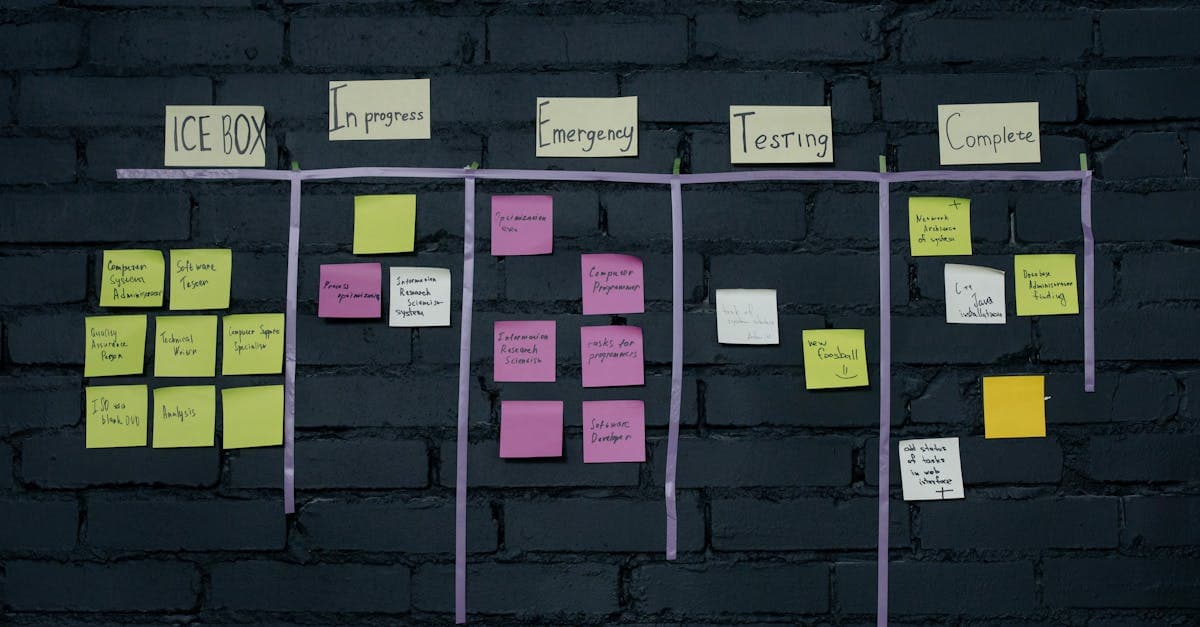
Kaizen is the Japanese philosophy of continuous improvement through small, incremental changes — and it is one of the most powerful concepts in lean manufacturing. The word combines "kai" (change) and "zen" (good), literally meaning "change for the better." In manufacturing, Kaizen transforms culture by making improvement everyone's job, not just management's. This manufacturing glossary entry explains how Kaizen works, provides measurable results, and shows how it connects to scheduling.
What Is Kaizen?
Kaizen is both a philosophy and a set of practices:
As a philosophy, Kaizen holds that no process is ever perfect. There is always a way to reduce waste, shorten time, improve quality, or make work easier. Every employee — from the newest operator to the CEO — has the ability and responsibility to identify and implement improvements.
As a practice, Kaizen takes two forms:
- Daily Kaizen — Small improvements made as part of normal work. An operator repositions a parts bin to save three steps. A setup technician reorganizes tools to shave 30 seconds off changeover. These micro-improvements accumulate.
- Kaizen Events — Structured, intensive workshops (typically 3 to 5 days) where a cross-functional team tackles a specific problem using the PDCA cycle. The team maps the current state, identifies root causes, implements countermeasures, and verifies results within the event week.
The distinction from Western-style improvement programs is important: Kaizen emphasizes many small improvements by many people rather than a few large projects by specialists.
How Kaizen Works in Practice
A typical Kaizen event follows this structure:
- Day 1: Define the problem scope. Train the team on relevant tools (value stream mapping, 5-why analysis, spaghetti diagrams). Document the current state with data — cycle times, distances walked, defect rates, setup times.
- Day 2: Analyze root causes. Brainstorm countermeasures. Prioritize based on impact and feasibility.
- Day 3-4: Implement changes. This is where Kaizen differs from traditional improvement — the team actually makes the physical changes during the event, not weeks later. Move machines, build fixtures, create visual standards, redesign layouts.
- Day 5: Measure results against baseline. Document the new standard. Present results to leadership. Create a 30-day follow-up plan.
For daily Kaizen, the infrastructure is simpler: suggestion boards at each work center, a quick review process (team leader approves within 24 hours), and recognition for implemented ideas.
Example with Numbers
A precision stamping manufacturer ran 12 Kaizen events over one year targeting their highest-volume product family:
- Changeover time on the main press line: reduced from 45 minutes to 12 minutes across three SMED-focused events.
- Material walking distance for operators: reduced from 180 feet per cycle to 35 feet through work cell redesign.
- First-pass yield improved from 94.2% to 98.7% through two quality-focused events that implemented poka-yoke devices.
- Daily Kaizen suggestions: 340 submitted by operators during the year, with 256 implemented. Average value: $800 per implemented suggestion.
- Cumulative annual savings: $412,000 — with zero capital expenditure on any single event exceeding $5,000.
- Lead time: reduced from 16 days to 9 days as accumulated improvements removed wait times and non-value-added steps.
Why Kaizen Matters for Production Scheduling
Kaizen and scheduling reinforce each other in a continuous cycle:
- Scheduling data identifies targets: When scheduling software like RMDB shows that a particular work center is consistently the bottleneck or that setup times are consuming 30% of available capacity, those are Kaizen targets.
- Kaizen improves scheduling inputs: Every reduction in setup time, improvement in yield, or decrease in cycle time variability makes the schedule more accurate and achievable.
- Smaller batches become possible: As Kaizen events reduce changeover times, the scheduler can economically run smaller lots, reducing WIP and lead times.
- Culture of accountability: Teams that practice Kaizen take ownership of schedule adherence because they have invested in making the process work.
The lean manufacturing guide positions Kaizen as the cultural engine that sustains every other lean tool — without the habit of continuous improvement, even the best lean implementations decay.
Related Terms
- Continuous Improvement — The broader concept that Kaizen embodies, encompassing all methodologies for ongoing process enhancement.
- PDCA Cycle — The Plan-Do-Check-Act framework that provides the scientific method behind every Kaizen improvement.
- Gemba — Going to the shop floor to observe reality, which is the starting point for identifying Kaizen opportunities.
See all lean and scheduling terms in the Manufacturing Glossary.
Frequently Asked Questions
Ready to Transform Your Production Scheduling?
User Solutions has been helping manufacturers optimize their production schedules for over 35 years. One-time license, 5-day implementation.

User Solutions Team
Manufacturing Software Experts
User Solutions has been developing production planning and scheduling software for manufacturers since 1991. Our team combines 35+ years of manufacturing software expertise with deep industry knowledge to help factories optimize their operations.
Share this article
Related Articles

What is ABC Analysis? Definition & Manufacturing Examples
Learn what ABC analysis is in inventory management, how the Pareto principle classifies inventory, and why it matters for scheduling.
What is Acceptance Sampling? Definition & Manufacturing Examples
Learn what acceptance sampling is, how it works in manufacturing, and why it matters for production scheduling and quality control decisions.

What is Advanced Planning & Scheduling (APS)? Definition & Manufacturing Examples
Advanced Planning & Scheduling (APS) definition: software that uses algorithms to optimize production schedules against real constraints. Learn how APS works in manufacturing with examples.