

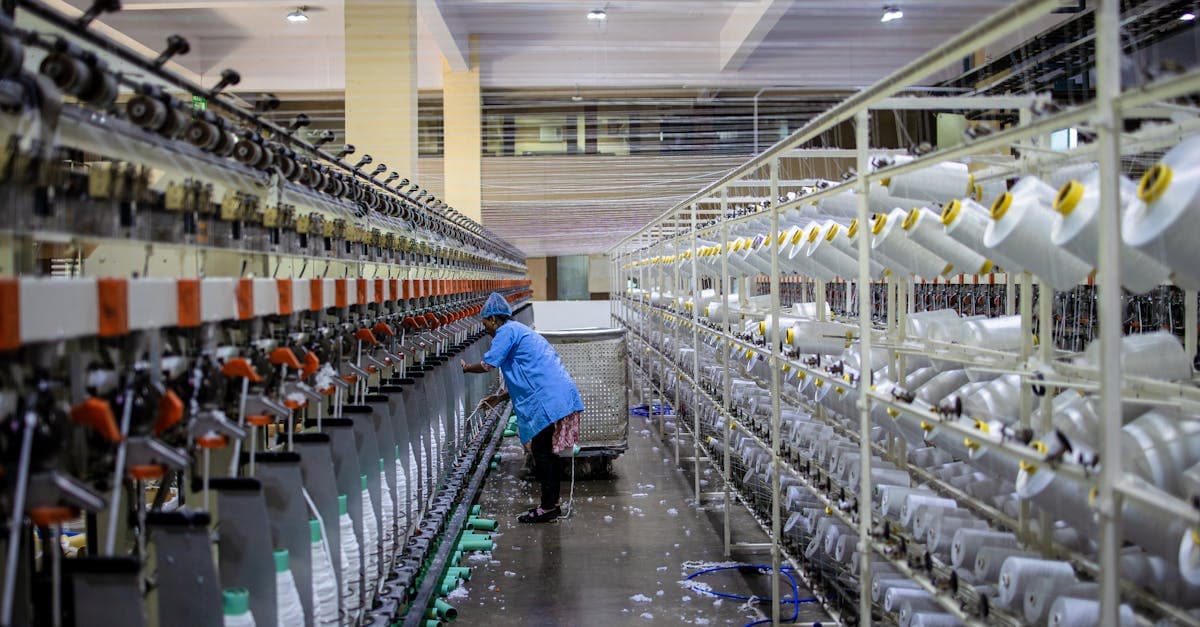
Gemba is a Japanese lean manufacturing term meaning "the actual place" — the shop floor where value is created. The Gemba walk is a leadership practice that puts managers at the point of production to observe work firsthand, understand problems in context, and drive improvement. This manufacturing glossary entry explains the Gemba concept, shows measurable results, and connects it to scheduling effectiveness.
What Is Gemba?
In lean manufacturing, Gemba refers specifically to the production floor — not the conference room, not a spreadsheet, not an ERP dashboard. The principle is simple: you cannot understand manufacturing problems by sitting at a desk. Data tells you what happened; Gemba shows you why.
A Gemba walk is a structured visit to the shop floor where leaders:
- Observe actual work processes without interrupting
- Ask questions to understand how work is performed versus how it is documented
- Identify waste — waiting, searching, walking, reworking — that does not show up in reports
- Listen to operators who deal with problems every day
- Follow up on previously identified issues to ensure countermeasures are working
Gemba is not management by walking around. It is a disciplined practice with a standard route, standard questions, and documented follow-up actions.
How Gemba Works in Practice
An effective Gemba walk follows a consistent structure:
- Prepare: Review the production schedule, quality data, and any open issues from the previous walk. Know what you are looking for.
- Walk the flow: Follow the material flow from receiving through production to shipping. This reveals disconnects between process steps.
- Observe before asking: Spend the first few minutes watching. Notice where operators wait, where materials pile up, where people walk long distances.
- Ask open-ended questions: "Tell me about this process" reveals more than "Are you following the standard?"
- Document findings: Use a standard form or digital tool to capture observations, categorize them (safety, quality, delivery, cost), and assign owners.
- Close the loop: Share findings at the daily management meeting. Track countermeasures to completion.
The most valuable Gemba walks happen at different times — first shift, second shift, during changeovers, during peak demand — to see how the shop floor really operates under various conditions.
Example with Numbers
A metal fabrication company with 80 employees introduced structured daily Gemba walks for all supervisors and weekly walks for plant management:
- Within 30 days, Gemba observations identified 23 recurring issues that had never been formally documented — including a fixture alignment problem causing 6% rework on a high-volume part.
- Operator suggestions captured during walks led to 14 process improvements in the first quarter, saving an estimated 45 hours of labor per week.
- Schedule adherence improved from 74% to 88% within 90 days. The primary driver: managers discovered during walks that three work centers consistently ran behind because tooling was stored in a central crib instead of at the machine — a problem invisible in the ERP system.
- Response time to machine breakdowns decreased by 40% because supervisors were already on the floor and spotted issues earlier.
The total investment was zero dollars in capital — only the discipline of leadership presence on the shop floor.
Why Gemba Matters for Production Scheduling
Gemba walks directly improve scheduling performance:
- Ground truth validation: Schedulers set standard times, queue allowances, and batch sizes based on assumptions. Gemba reveals where those assumptions diverge from reality.
- Root cause identification: When a schedule shows a work center consistently running late, the Gemba walk reveals why — is it material shortages, tooling issues, unclear work instructions, or something else?
- Faster feedback loops: Problems spotted during a morning Gemba walk can trigger a schedule adjustment before lunch. Without Gemba, issues may not surface until the end-of-day production report.
- Better communication: When planners using scheduling software like RMDB also walk the floor regularly, the gap between the schedule on screen and reality on the floor shrinks dramatically.
The lean manufacturing guide emphasizes that lean cannot be managed from a desk — Gemba is how leaders stay connected to the reality of production.
Related Terms
- Kaizen — Continuous improvement philosophy that Gemba walks support by surfacing real problems from the shop floor.
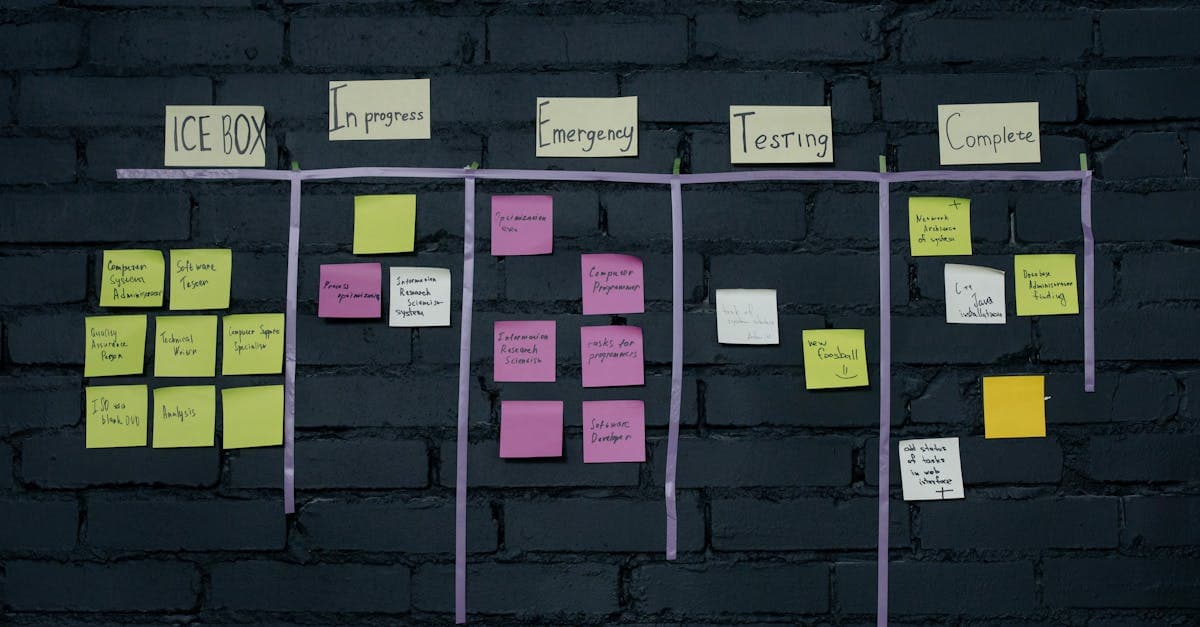
- Visual Management — Visual boards and signals that make abnormalities visible during Gemba walks.
- Standard Work — The documented best practice that Gemba walks verify is being followed consistently.
See all lean and scheduling terms in the Manufacturing Glossary.
Frequently Asked Questions
Ready to Transform Your Production Scheduling?
User Solutions has been helping manufacturers optimize their production schedules for over 35 years. One-time license, 5-day implementation.

User Solutions Team
Manufacturing Software Experts
User Solutions has been developing production planning and scheduling software for manufacturers since 1991. Our team combines 35+ years of manufacturing software expertise with deep industry knowledge to help factories optimize their operations.
Share this article
Related Articles
What is ABC Analysis? Definition & Manufacturing Examples
Learn what ABC analysis is in inventory management, how the Pareto principle classifies inventory, and why it matters for scheduling.

What is Acceptance Sampling? Definition & Manufacturing Examples
Learn what acceptance sampling is, how it works in manufacturing, and why it matters for production scheduling and quality control decisions.
What is Advanced Planning & Scheduling (APS)? Definition & Manufacturing Examples
Advanced Planning & Scheduling (APS) definition: software that uses algorithms to optimize production schedules against real constraints. Learn how APS works in manufacturing with examples.