

Continuous improvement is a foundational manufacturing principle that drives ongoing, systematic efforts to enhance products, processes, and services. Also known by its Japanese name Kaizen, continuous improvement is what separates manufacturers that stagnate from those that compound small gains into significant competitive advantages. This manufacturing glossary entry explains how continuous improvement works, provides real results, and connects it to production scheduling.
What Is Continuous Improvement?
Continuous improvement is exactly what it sounds like — the practice of never accepting the current state as good enough. In manufacturing, this means every employee, from the shop floor operator to the plant manager, actively looks for ways to:
- Reduce waste (time, materials, motion, defects)
- Shorten lead times
- Improve quality
- Lower costs
- Increase throughput
The key word is continuous. This is not a one-time project with a start and end date. It is an embedded operating philosophy where improvement is part of daily work. The PDCA cycle — Plan, Do, Check, Act — provides the structured framework for testing and implementing changes.
How Continuous Improvement Works
Continuous improvement operates at two levels:
Daily Improvements (Kaizen)
Operators and team leaders make small changes every day: repositioning a tool to save 5 seconds, adjusting a fixture to reduce a quality defect, or modifying a sequence to eliminate a wasted motion. These micro-improvements seem trivial individually but compound dramatically over months.
Structured Events (Kaizen Blitz)
Cross-functional teams tackle larger problems in focused 3-to-5-day events. A Kaizen event might target a specific bottleneck machine, a changeover process, or a material flow path. The team maps the current state, identifies root causes, implements countermeasures, and measures results — all within the event week.
Supporting Infrastructure
Successful continuous improvement requires:
- Suggestion systems where employees submit improvement ideas
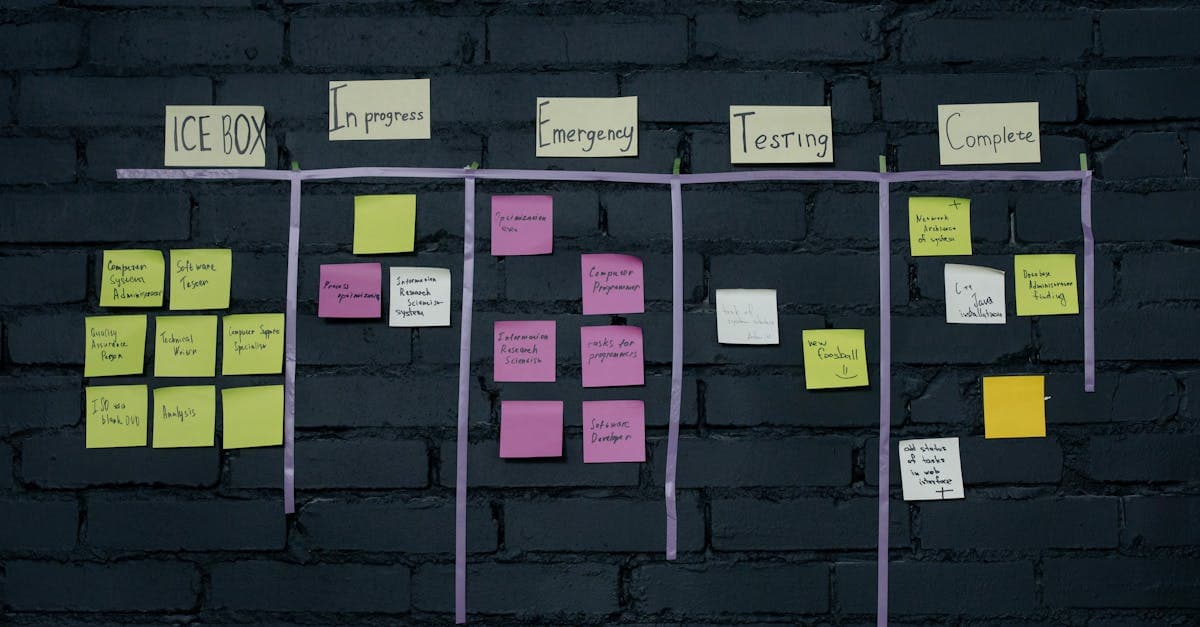
- Visual management boards that track metrics and improvement projects
- Regular review cadences (daily huddles, weekly reviews, monthly management reviews)
- Recognition programs that celebrate improvements, not just heroic firefighting
Example with Numbers
A contract manufacturer of precision machined parts implemented a structured continuous improvement program across their 45-person shop:
- Year 1 results: 187 employee suggestions submitted, 124 implemented. Average improvement value: $2,300 per suggestion. Total annual savings: $285,000.
- Setup time reduced by 34% across 6 CNC work centers through a series of SMED-focused Kaizen events.
- Scrap rate dropped from 4.2% to 1.8% through operator-driven quality improvements at the source.
- On-time delivery improved from 78% to 93% as process variability decreased and scheduling accuracy improved.
- Lead time reduced from 18 days average to 12 days through waste elimination in queue times and batch processing.
By Year 3, the compound effect of hundreds of small improvements had transformed operating performance without any major capital expenditure.
Why Continuous Improvement Matters for Production Scheduling
Continuous improvement and scheduling create a virtuous cycle:
- More predictable processes mean the scheduler's assumptions about cycle times, setup times, and yields are more accurate. Better assumptions produce better schedules.
- Reduced variability in processing times shrinks the safety buffers the scheduler must build in, freeing capacity for additional work.
- Shorter setup times from SMED improvements let the scheduler run smaller batches more frequently, improving flow and reducing WIP.
- Scheduling data identifies improvement targets. When production scheduling software like RMDB shows that a particular work center is consistently the bottleneck, that is where the next Kaizen event should focus.
The lean manufacturing guide describes continuous improvement as the engine that keeps all other lean tools performing at their potential.
Related Terms
- Kaizen — The Japanese philosophy of continuous improvement through small, daily changes by every employee.
- PDCA Cycle — The Plan-Do-Check-Act framework that provides structure for testing and implementing improvements.
- Gemba — The practice of going to the actual workplace to observe problems firsthand, which is essential for identifying improvement opportunities.
See all lean and scheduling terms in the Manufacturing Glossary.
Frequently Asked Questions
Ready to Transform Your Production Scheduling?
User Solutions has been helping manufacturers optimize their production schedules for over 35 years. One-time license, 5-day implementation.

User Solutions Team
Manufacturing Software Experts
User Solutions has been developing production planning and scheduling software for manufacturers since 1991. Our team combines 35+ years of manufacturing software expertise with deep industry knowledge to help factories optimize their operations.
Share this article
Related Articles
What is ABC Analysis? Definition & Manufacturing Examples
Learn what ABC analysis is in inventory management, how the Pareto principle classifies inventory, and why it matters for scheduling.
What is Acceptance Sampling? Definition & Manufacturing Examples
Learn what acceptance sampling is, how it works in manufacturing, and why it matters for production scheduling and quality control decisions.
What is Advanced Planning & Scheduling (APS)? Definition & Manufacturing Examples
Advanced Planning & Scheduling (APS) definition: software that uses algorithms to optimize production schedules against real constraints. Learn how APS works in manufacturing with examples.