

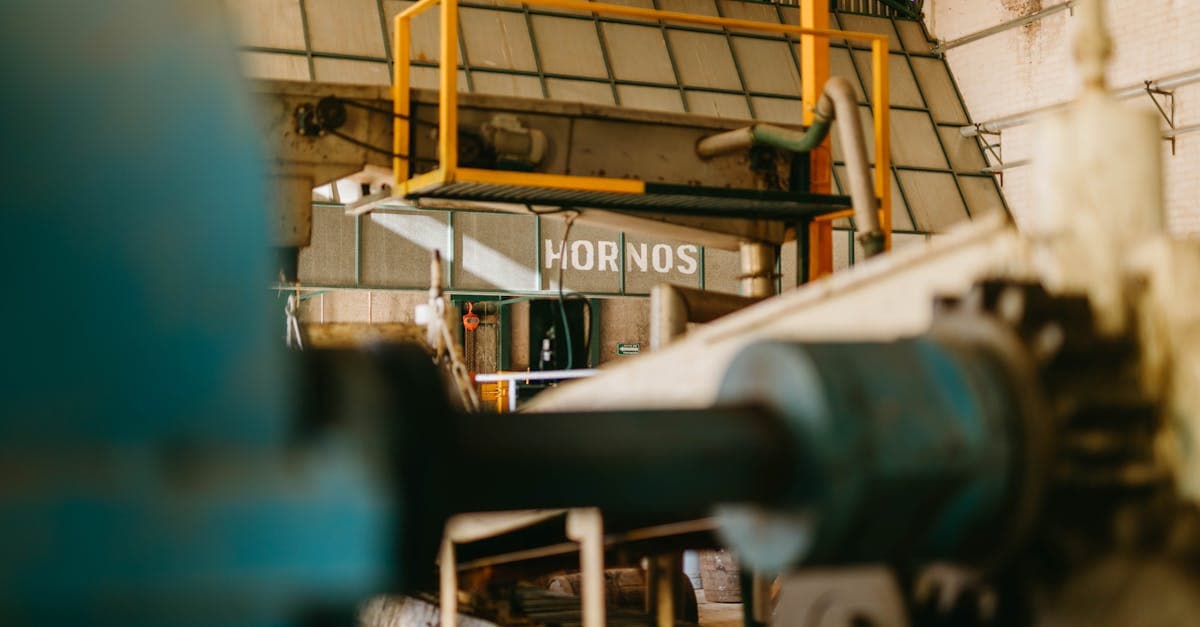
What is a Changeover?
A changeover in manufacturing is the complete process of switching a machine, production line, or work center from producing one product to producing a different product. It encompasses everything that happens between the last good piece of the outgoing product and the first good piece of the incoming product: removing tooling, cleaning, installing new dies or fixtures, adjusting machine settings, loading programs, and running test pieces to verify quality. Changeover time is nonproductive time — the machine generates no salable output while it is being converted.
How Changeovers Work
Changeover activities fall into two categories. Internal tasks can only be performed while the machine is stopped — physically removing a die, bolting in a new fixture, or threading new material through a web press. External tasks can be performed while the machine is still running the previous product — staging the next set of tooling, pre-heating a mold, gathering documentation, or programming the next part on a separate controller.
The lean methodology SMED (Single-Minute Exchange of Die), developed by Shigeo Shingo, provides a systematic approach to reducing changeover time. The steps are: observe and document the current process, separate internal from external tasks, convert as many internal tasks to external as possible, streamline remaining internal tasks through quick-release clamps, standardized connections, and preset adjustments, and then practice the improved process until it becomes routine.
Changeover time directly influences batch size decisions. If a changeover takes four hours, planners are reluctant to change products frequently — they run large batches to spread the four-hour loss across more units. If the changeover is reduced to 15 minutes, running smaller batches becomes economically viable, and the manufacturer gains flexibility to respond to changing demand.
Changeover Example
A plastic injection molding shop runs 12 different products on a single 500-ton press. The original changeover process takes 3.5 hours: 45 minutes to cool and remove the old mold, 60 minutes to clean the machine and install the new mold, 30 minutes to connect water and hydraulic lines, 30 minutes to heat the new mold to operating temperature, and 25 minutes to adjust process parameters and run test shots.
After applying SMED, the team makes several changes: pre-heat the incoming mold on a cart with a portable heater (converts 30 minutes of internal time to external), install quick-connect fittings for water and hydraulic lines (reduces connection time from 30 to 5 minutes), standardize mold mounting bolt patterns to eliminate shimming (saves 20 minutes), and pre-stage all tools and documentation before the machine stops.
The new changeover takes 55 minutes — a 74 percent reduction. Over a month with 40 changeovers, the shop recovers 104 hours of productive press time. At a billing rate of $150 per hour, that is $15,600 in recovered capacity per month from a single machine.
Why Changeovers Matter for Production Scheduling
Changeover time is a critical input to any scheduling algorithm. Scheduling software like Resource Manager DB (RMDB) accounts for changeover duration when calculating job start times and resource utilization. Sequence-dependent changeovers — where the time varies based on which product follows which — add further complexity that manual scheduling cannot handle efficiently.
Intelligent sequencing can minimize total changeover time by grouping similar products together. For example, scheduling all dark-colored parts before light-colored parts on a paint line avoids the full flush required when switching from light to dark. Scheduling software evaluates these dependencies and finds sequences that reduce total changeover time across the planning horizon.
Shorter changeovers give schedulers more flexibility. When changeover time is negligible, the scheduler can produce in any sequence to optimize due date performance without worrying about losing hours of capacity to setup activities.
Related Terms
- Setup Time — Often used interchangeably with changeover time in scheduling systems
- Single-Minute Exchange of Die — The lean methodology for reducing changeover time below 10 minutes
- Run Time — The productive processing time that changeover reduction aims to maximize
Frequently Asked Questions
Learn more in our complete manufacturing glossary or production scheduling guide.
Frequently Asked Questions
Ready to Transform Your Production Scheduling?
User Solutions has been helping manufacturers optimize their production schedules for over 35 years. One-time license, 5-day implementation.

User Solutions Team
Manufacturing Software Experts
User Solutions has been developing production planning and scheduling software for manufacturers since 1991. Our team combines 35+ years of manufacturing software expertise with deep industry knowledge to help factories optimize their operations.
Share this article
Related Articles
What is ABC Analysis? Definition & Manufacturing Examples
Learn what ABC analysis is in inventory management, how the Pareto principle classifies inventory, and why it matters for scheduling.
What is Acceptance Sampling? Definition & Manufacturing Examples
Learn what acceptance sampling is, how it works in manufacturing, and why it matters for production scheduling and quality control decisions.
What is Advanced Planning & Scheduling (APS)? Definition & Manufacturing Examples
Advanced Planning & Scheduling (APS) definition: software that uses algorithms to optimize production schedules against real constraints. Learn how APS works in manufacturing with examples.