

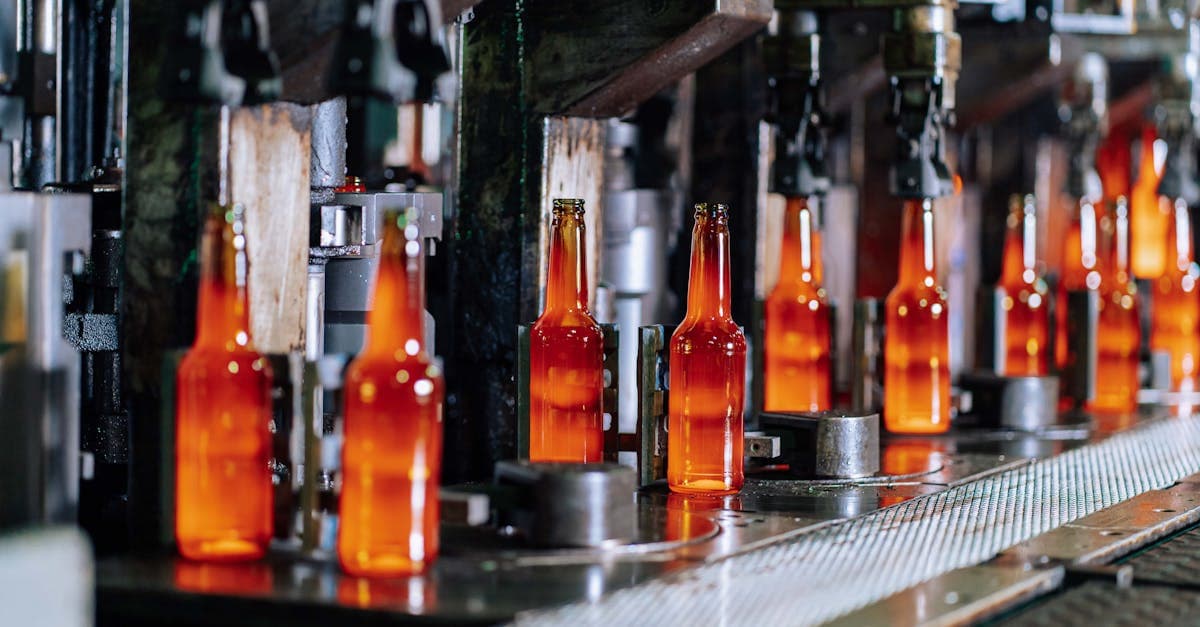
What is a Bottleneck?
A bottleneck in manufacturing is any resource, machine, or process step that limits the overall throughput of the production system. It is the constraint point where work accumulates because the resource cannot process jobs as fast as upstream operations deliver them. The bottleneck sets the pace for the entire facility — no matter how fast other machines run, total output cannot exceed what the bottleneck can handle.
How Bottlenecks Work in Manufacturing
Every production environment has at least one bottleneck. It might be a specific machine, a shared resource like a paint booth, a quality inspection station, or even a skilled operator who is the only person certified to run a particular process. The bottleneck is identifiable by the queue of work waiting in front of it.
The Theory of Constraints, developed by Eliyahu Goldratt, teaches that improving any resource other than the bottleneck does not increase total throughput. If your CNC lathe is the bottleneck running at 98 percent utilization, buying a faster saw for the upstream cutting operation just builds a bigger pile of blanks waiting for the lathe. The only way to increase output is to increase the bottleneck's effective capacity.
There are several strategies for managing bottlenecks: reduce setup times on the constraining resource, add overtime or a second shift, offload some work to alternative machines, improve quality to eliminate rework at the bottleneck, and ensure the bottleneck never sits idle due to missing materials or operator availability. Even a 10 percent improvement at the bottleneck translates directly to a 10 percent improvement in plant output.
Bottleneck Example
A sheet metal shop has five departments: laser cutting, bending, welding, powder coating, and assembly. The laser cutter processes 40 jobs per day, bending handles 50, welding handles 30, powder coating handles 45, and assembly handles 60.
Welding at 30 jobs per day is the bottleneck. Even though every other department has excess capacity, the shop can only ship 30 completed jobs per day. Work piles up between bending and welding while powder coating and assembly frequently wait for work.
The shop manager adds a second welder on a staggered shift, increasing welding capacity to 42 jobs per day. Now laser cutting at 40 jobs per day becomes the new bottleneck. Throughput jumps from 30 to 40 jobs per day — a 33 percent increase — from a single focused improvement.
Why Bottlenecks Matter for Production Scheduling
Effective scheduling software identifies bottlenecks and schedules around them. The bottleneck resource should be scheduled first, with all other operations timed to feed it without starving it or overloading it. This drum-buffer-rope approach ensures maximum throughput.
Scheduling tools like Resource Manager DB (RMDB) provide utilization reports and visual Gantt charts that make bottlenecks immediately visible. When planners can see that one machine has a 3-day backlog while others sit at 50 percent utilization, they can take action: resequence jobs, split operations across alternate machines, or adjust priorities to keep the bottleneck running at full capacity.
Related Terms
- Throughput — The rate of output that is directly constrained by the bottleneck
- Utilization — The percentage of available capacity being used, highest at the bottleneck
- Finite Capacity — Scheduling method that respects resource limits and reveals bottlenecks
Frequently Asked Questions
Learn more in our complete manufacturing glossary or production scheduling guide.
Frequently Asked Questions
Ready to Transform Your Production Scheduling?
User Solutions has been helping manufacturers optimize their production schedules for over 35 years. One-time license, 5-day implementation.

User Solutions Team
Manufacturing Software Experts
User Solutions has been developing production planning and scheduling software for manufacturers since 1991. Our team combines 35+ years of manufacturing software expertise with deep industry knowledge to help factories optimize their operations.
Share this article
Related Articles
What is ABC Analysis? Definition & Manufacturing Examples
Learn what ABC analysis is in inventory management, how the Pareto principle classifies inventory, and why it matters for scheduling.

What is Acceptance Sampling? Definition & Manufacturing Examples
Learn what acceptance sampling is, how it works in manufacturing, and why it matters for production scheduling and quality control decisions.

What is Advanced Planning & Scheduling (APS)? Definition & Manufacturing Examples
Advanced Planning & Scheduling (APS) definition: software that uses algorithms to optimize production schedules against real constraints. Learn how APS works in manufacturing with examples.