

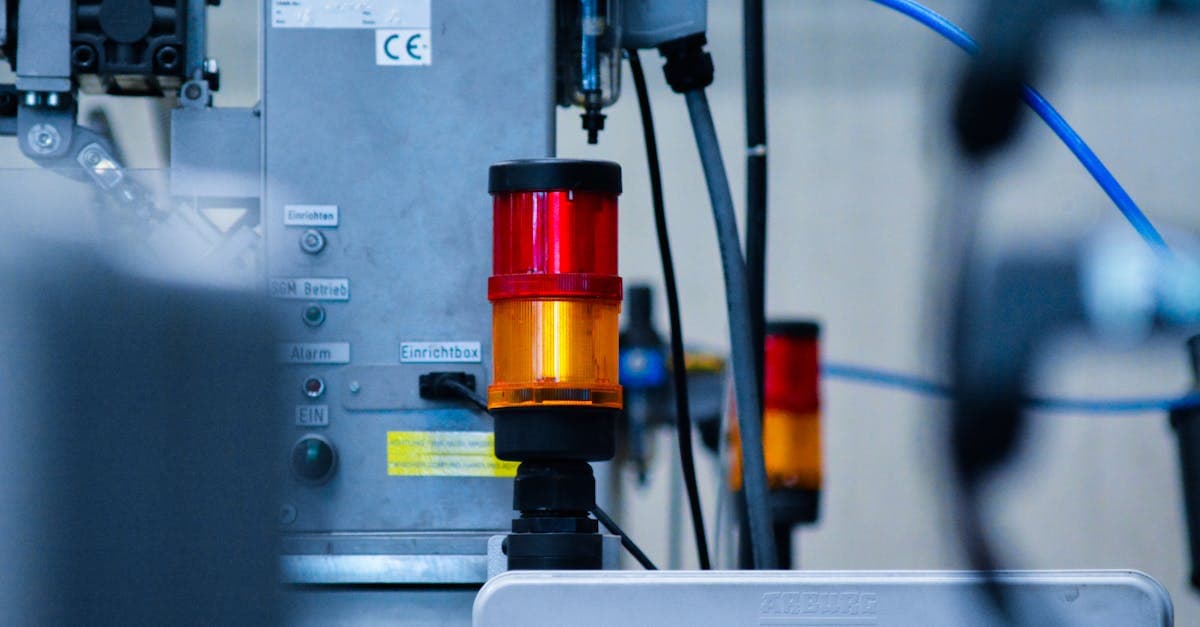
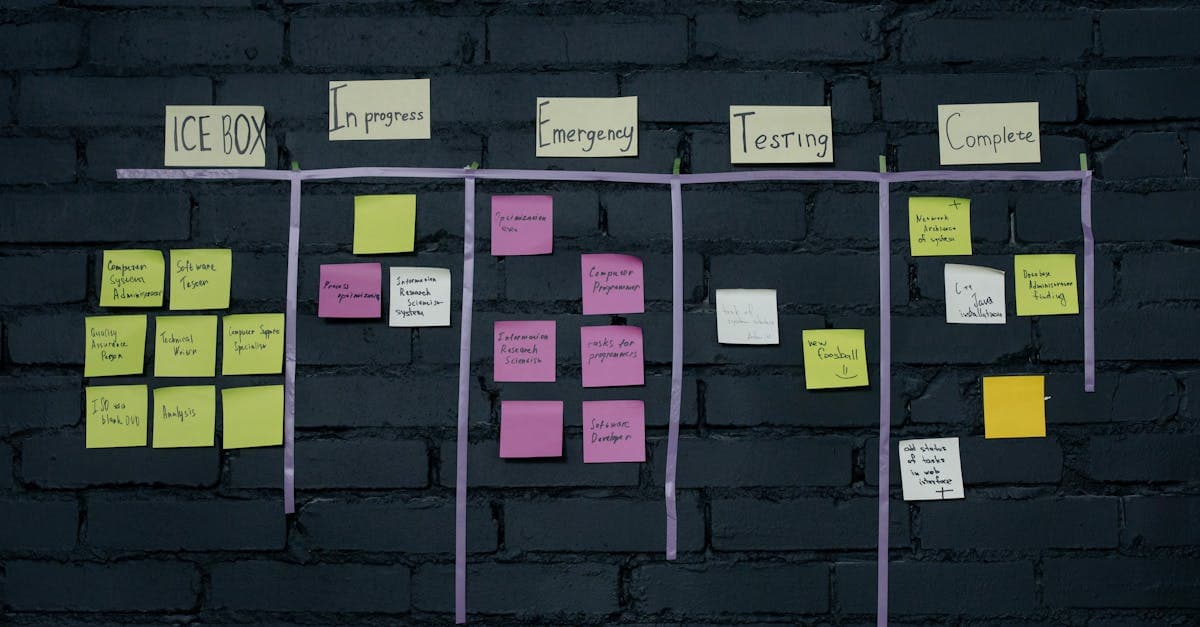
5S is a systematic lean manufacturing methodology for organizing and maintaining a clean, efficient, and safe workplace. Originating from the Toyota Production System, the 5S method is often the first lean tool manufacturers implement because it creates the visual order and discipline needed for every other improvement initiative. This manufacturing glossary entry explains each step, shows real-world impact, and connects 5S to production scheduling.
What Is 5S?
5S refers to five sequential steps, each beginning with the letter S:
- Sort (Seiri) — Remove unnecessary items from the work area. If a tool, material, or document has not been used in 30 days, it does not belong at the workstation.
- Set in Order (Seiton) — Arrange remaining items so they are easy to find, use, and return. Every tool gets a designated location marked with labels, shadow boards, or color coding.
- Shine (Seiso) — Clean the workspace thoroughly and establish cleaning as a routine. Cleaning doubles as inspection — you spot leaks, cracks, and wear during the process.
- Standardize (Seiketsu) — Create visual standards and checklists so that the first three steps become consistent across shifts and operators.
- Sustain (Shitsuke) — Build the discipline to maintain standards through audits, accountability, and leadership commitment.
The power of 5S is not in any single step — it is in the system working together to make abnormalities visible and waste obvious.
How 5S Works in Practice
A typical 5S implementation starts with a focused event on a single work cell or department. A cross-functional team of 4 to 6 people spends 3 to 5 days transforming the area:
- Day 1: Red-tag everything not needed. Move tagged items to a holding area for disposition.
- Day 2: Redesign the layout. Place frequently used tools within arm's reach. Mark locations with tape, labels, and shadow boards.
- Day 3: Deep clean. Repair or replace damaged equipment found during cleaning.
- Day 4: Create standard operating procedures, visual boards, and audit checklists.
- Day 5: Train the team, establish audit schedules, and celebrate the results.
After the event, weekly audits and monthly reviews keep the standards alive.
Example with Numbers
A CNC machining job shop with 12 operators spent an average of 18 minutes per shift searching for tools, fixtures, and gauges. After a 5S event on three work cells:
- Tool search time dropped from 18 minutes to 4 minutes per shift — a 78% reduction.
- Setup time decreased by 22% because fixtures were organized and labeled at each machine.
- Available machining time increased by 14 minutes per operator per shift. Across 12 operators running 2 shifts, that recovered 336 minutes of productive capacity per day — equivalent to adding nearly one full machine to the shop without any capital investment.
- On-time delivery improved from 82% to 91% within 60 days because jobs moved through the shop faster.
These gains came from organization alone, before applying any other lean tools.
Why 5S Matters for Production Scheduling
5S has a direct and measurable impact on scheduling performance:
- Shorter setup times mean the scheduler can sequence more jobs per shift without violating capacity constraints.
- Predictable cycle times improve when operators spend less time searching and more time machining. This makes schedule estimates more accurate.
- Fewer disruptions from lost tools or missing fixtures reduce the unplanned downtime that forces schedule revisions.
- Visual controls let supervisors spot schedule deviations instantly — a missing kanban card or a misplaced WIP bin signals a problem before it cascades.
When manufacturers use production scheduling software like RMDB alongside 5S, the scheduler can trust the standard times in the system because the shop floor operates consistently. Without 5S, the gap between planned and actual performance makes even the best scheduling software less effective.
As the lean manufacturing guide explains, 5S is the foundation that supports every other lean tool. You cannot sustain Kanban, standard work, or SMED in a disorganized shop.
Related Terms
- Standard Work — The documented best practice for performing each operation, which 5S supports by ensuring consistent workstation layout.
- Visual Management — The broader discipline of using visual signals to communicate status, standards, and deviations on the shop floor.
- Kaizen — The continuous improvement philosophy that drives ongoing 5S refinements after the initial event.
See all lean and scheduling terms in the Manufacturing Glossary.
Frequently Asked Questions
Ready to Transform Your Production Scheduling?
User Solutions has been helping manufacturers optimize their production schedules for over 35 years. One-time license, 5-day implementation.

User Solutions Team
Manufacturing Software Experts
User Solutions has been developing production planning and scheduling software for manufacturers since 1991. Our team combines 35+ years of manufacturing software expertise with deep industry knowledge to help factories optimize their operations.
Share this article
Related Articles
What is ABC Analysis? Definition & Manufacturing Examples
Learn what ABC analysis is in inventory management, how the Pareto principle classifies inventory, and why it matters for scheduling.
What is Acceptance Sampling? Definition & Manufacturing Examples
Learn what acceptance sampling is, how it works in manufacturing, and why it matters for production scheduling and quality control decisions.
What is Advanced Planning & Scheduling (APS)? Definition & Manufacturing Examples
Advanced Planning & Scheduling (APS) definition: software that uses algorithms to optimize production schedules against real constraints. Learn how APS works in manufacturing with examples.